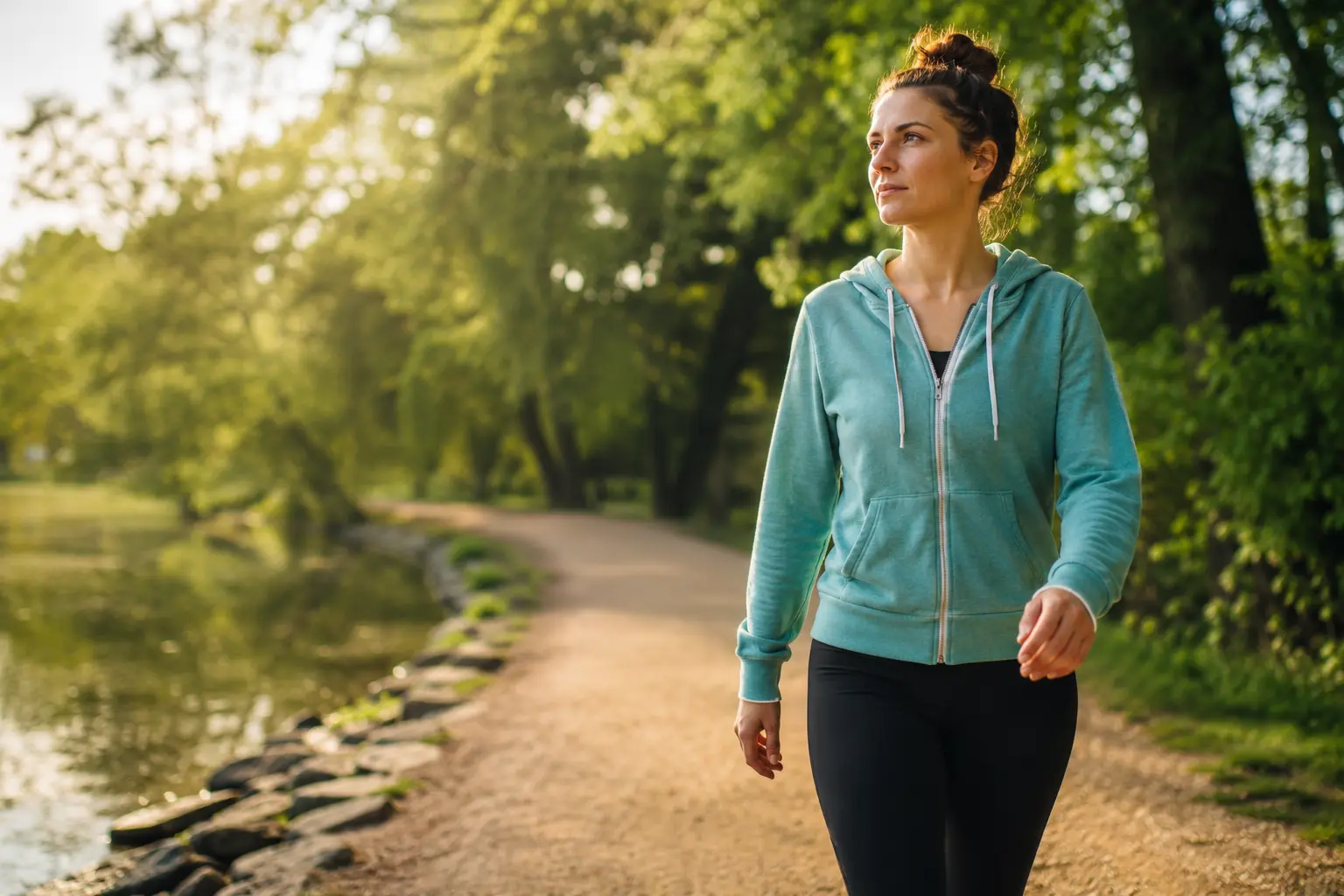
Your knees are screaming after a walk, your hips feel stiff, and you’re convinced that staying fit means accepting joint pain as the price of admission, but it doesn’t have to be that way because low impact cardio options exist that let you build real cardiovascular strength without the punishment.
Indoor cycling
Indoor cycling stands out as one of the most accessible and effective low impact cardio options for seniors who want to protect their joints while building serious endurance. Unlike outdoor cycling with its uneven terrain and potential falls, stationary bikes keep you stable and in complete control. Picture yourself pedaling smoothly on a bike in your living room, adjusting the resistance dial whenever you need to, with zero jarring impact on your knees or hips. Many seniors find that cycling becomes a daily ritual, something they look forward to because it feels productive and energizing without leaving them sore. The beauty of indoor cycling is that you can start at whatever intensity feels right, whether that’s a gentle 20-minute session or a more challenging 45-minute ride. You can do it solo at home while watching your favorite show, or join a group class for motivation and community. The bike supports your body weight, which means your joints get a break while your heart and leg muscles get a thorough workout.
- Adjustable resistance levels for all fitness levels
- Low risk of injury compared to high impact activities
- Can be done at home or in a group fitness class
Walking
Walking is the most underrated form of cardio for seniors, and it works because it requires no special equipment, no gym membership, and no complicated technique to master. Start your day with a 30-minute walk around your neighborhood, and you are already doing something powerful for your heart and muscles. The key is consistency, not intensity. A 65-year-old who walks four times a week at a comfortable pace will see measurable improvements in cardiovascular health, bone density, and mental clarity within weeks. Walking also gives you time to notice your surroundings, breathe fresh air, and clear your mind, which means you get mental health benefits alongside the physical ones. If you have arthritis or balance concerns, walking on flat, even surfaces like mall corridors or park paths reduces risk significantly. You can walk alone for peaceful reflection or with friends for social connection. The progression is simple: start with 15 or 20 minutes, then gradually add five minutes each week until you reach 45 minutes. Your body adapts naturally, your joints stay healthy, and you build a habit that lasts a lifetime.
📘 Fix your day in under 2 minuteschoose where to begin:
Swimming
Swimming is often called the perfect exercise for aging bodies, and for good reason. When you enter the water, your body becomes nearly weightless, which means your joints experience almost zero impact while your muscles work against the water’s resistance. This unique combination is why swimming is so effective for seniors with arthritis, previous injuries, or chronic joint pain. Imagine gliding through the pool, feeling supported and strong, moving in ways that feel almost effortless because the water is doing the work of holding you up. A 60-minute swim session engages your entire body, from your shoulders and arms to your core and legs, while your heart rate climbs steadily without the pounding sensation of land-based exercise. Many seniors start with basic lap swimming, then progress to water aerobics classes designed specifically for older adults, where instructors guide you through movements that are both fun and challenging. The water’s buoyancy also reduces your risk of falling, which is a major concern for many seniors. Whether you swim at a local YMCA, community center, or private pool, the investment in this activity pays dividends in strength, flexibility, and confidence.
Elliptical trainer
The elliptical machine is designed specifically to mimic the natural motion of walking or running while eliminating the impact that damages joints over time. Your feet stay in contact with the pedals throughout the entire movement, which means there is no moment where your full body weight crashes down on your knees or hips. This makes the elliptical ideal for seniors who remember enjoying running or brisk walking but now experience pain when they try. You control the speed and resistance, so a 70-year-old can start at a leisurely pace and gradually increase the challenge as their fitness improves. Many people find the elliptical less intimidating than a treadmill because the motion feels more natural and you have something to hold onto for balance and stability. A typical session might start with five minutes of easy movement to warm up, then 20 to 30 minutes at a steady, conversational pace, followed by a cool-down period. The elliptical also works your upper body if you actively push and pull the handles, which means you get a more complete workout than you might expect. Over time, regular elliptical use builds leg strength, improves cardiovascular endurance, and helps maintain the fitness level you worked hard to achieve earlier in life.
Tai chi
Tai Chi is a gentle flowing practice that originated in China thousands of years ago, and it has become increasingly popular among seniors because it combines movement, breathing, and mental focus in a way that feels more like meditation than exercise. When you practice Tai Chi, you move slowly and deliberately through a series of positions, which builds strength and balance while keeping your heart rate elevated just enough to provide cardiovascular benefit. Unlike high-impact cardio that leaves you breathless and sweaty, Tai Chi leaves you feeling calm, centered, and energized all at once. Many seniors discover that regular Tai Chi practice significantly improves their balance, which directly reduces their risk of falls, one of the leading causes of injury in older adults. The movements are low impact, the pace is controlled, and there is no competition or pressure to perform at any particular level. You can practice Tai Chi alone in your backyard or living room, or join a class at a senior center or gym where an instructor guides you through the movements. The breathing techniques taught in Tai Chi also help reduce stress and anxiety, which means you get mental health benefits alongside the physical improvements in flexibility, coordination, and cardiovascular fitness.
Low impact cardio options like indoor cycling, walking, swimming, elliptical training, and Tai Chi offer seniors effective ways to build cardiovascular fitness, strengthen muscles, and maintain independence without stressing aging joints. Each option can be tailored to your current fitness level and preferences, whether you prefer solo workouts at home or group classes for community and motivation. The key is choosing an activity you actually enjoy and doing it consistently, because the best exercise is the one you will stick with long term.
Are low impact cardio exercises suitable for seniors with joint issues?
Yes, low impact cardio exercises are specifically designed for seniors with joint issues because they minimize stress on the joints while still providing a good workout for the cardiovascular system and muscles. Activities like swimming, walking, and cycling allow you to build fitness without triggering pain or inflammation. If you have specific joint concerns, consult your doctor before starting any new exercise program.
Can seniors combine multiple low impact cardio exercises in their fitness routine?
Yes, combining different low impact cardio exercises like walking, swimming, and cycling is actually beneficial because it keeps your workouts varied, prevents boredom, and allows different muscle groups to recover while you work other areas. For example, you might swim on Monday, walk on Wednesday, and cycle on Friday, which gives you consistent activity while minimizing repetitive strain on any single joint.
Others also read:
Disclaimer: This article is for informational purposes only and is not a substitute for professional medical advice. Always consult a healthcare professional for personal guidance.
This guide has been prepared and reviewed by the GlobalHealthBeacon editorial team and reflects current medical research as of 2026. It provides structured, evidence-based information to support informed health decisions.
