You wake up feeling off, noticing weird changes in your body, and suddenly you’re spiraling with worst-case scenarios, but nobody talks about preventive health screenings like they actually matter until something feels seriously wrong.
Taking control: the importance of early screenings
Picture this: you’re 28, feeling generally fine, and the thought of scheduling a screening feels unnecessary. But here’s what happens when you actually do it. Sarah, a marketing manager in her late twenties, went in for routine bloodwork thinking it was a waste of time. Turns out, her cholesterol levels were creeping up silently, with zero symptoms. Without that screening, she wouldn’t have known for years, potentially facing serious complications down the road. Early screenings catch these sneaky issues before they become real problems. Getting regular health screenings gives you a clear snapshot of where you stand right now, creating a baseline you can compare against in the future. Think of it like taking a photo of your health at this exact moment. When you come back next year or in five years, you’ll see what’s changed and what’s stayed the same. This matters because many conditions develop quietly, without any warning signs.
- Early detection of conditions leads to better treatment outcomes
- Screenings provide a baseline for future comparison
- Preventive care can lead to a better quality of life
Overcoming the fear: a personal experience
Let’s be real: the anxiety before your first screening is genuinely intense. You’re imagining needles, awkward conversations with doctors, and worst-case diagnoses. Marcus, a 26-year-old software engineer, delayed his screening for two years because of pure dread. When he finally went, he was shocked at how quick and straightforward it was. The phlebotomist was kind, the whole thing took fifteen minutes, and he felt oddly relieved afterward. Many young adults experience this same anxiety, but the actual process is usually far less dramatic than your mind builds it up to be. What really helped Marcus was texting his friend the night before, who had done her screening the week prior. Just knowing someone else had gone through it made the whole thing feel manageable. Talking to friends or family about their experiences normalizes the process and reminds you that millions of people do this without incident.
💬 Ready to feel better in 2 minutes?choose where to begin:
Finding support: connecting with healthcare providers
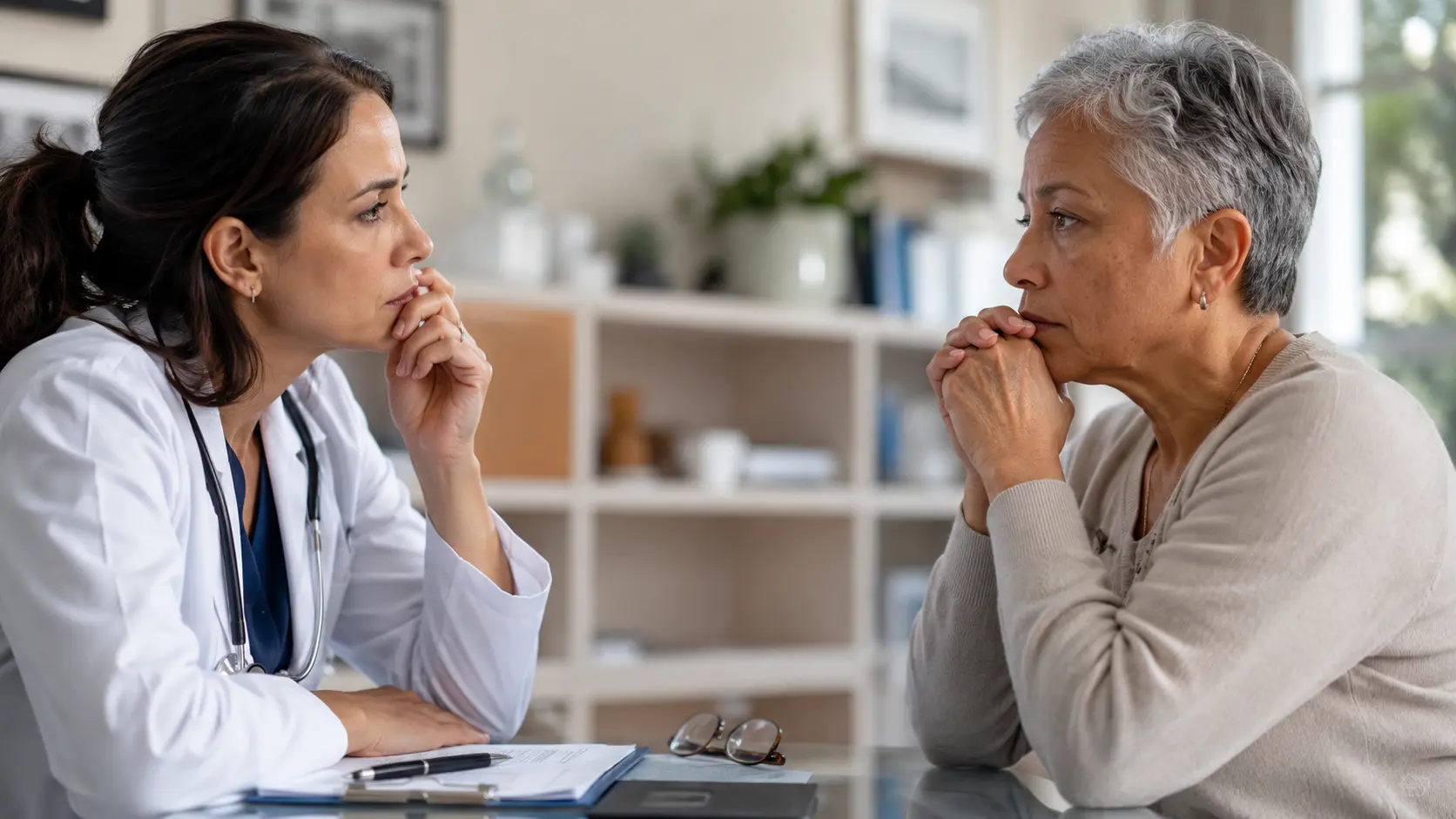
Having a doctor you actually trust changes everything. Not just someone you see once every five years when you’re sick, but someone who knows your family history, your lifestyle, and your concerns. When Jade started seeing a new primary care physician, she felt nervous about discussing her anxiety around health screenings. But her doctor spent time explaining what each test meant, why it mattered for her specifically, and what the results would tell them. That conversation transformed her entire perspective. A good healthcare provider becomes your guide through this process, answering questions you didn’t even know you had and helping you understand your results in plain language. They can flag which screenings are most relevant for your age, gender, and health history. They also provide context when results come back, explaining what’s normal, what needs monitoring, and what requires action. This partnership removes so much of the confusion and fear.
Empowerment through knowledge: the outcome of screenings
After your screening results come back, something shifts. You move from uncertainty to clarity. Alex, a 29-year-old teacher, discovered through screening that her vitamin D levels were dangerously low, explaining the fatigue and mood dips she’d been experiencing for months. Armed with this knowledge, she adjusted her routine, added supplements, and felt noticeably better within weeks. That’s the real power here: information becomes action. Young adults who embrace their screening results often feel a surge of control over their health. You’re no longer guessing or worrying in the dark. You have actual data about your body, and you can make real decisions based on it. Some people discover they’re healthier than they thought, which is incredibly reassuring. Others find manageable issues early, when intervention is easiest. Either way, you’re stepping out of the fog and into clarity.
Regular preventive health screenings offer young adults the opportunity to take charge of their health, detect issues early, and make informed decisions. By overcoming fears, seeking support, and embracing the outcomes, individuals can empower themselves with knowledge and proactive health choices.
Are preventive screenings necessary for young adults?
Yes, preventive screenings are essential for detecting potential health issues early in young adults, allowing for timely intervention and better health outcomes.
How often should young adults undergo health screenings?
The frequency of health screenings can vary based on individual risk factors and medical history. It is advisable to consult a healthcare provider to determine a personalized screening schedule.
Others also read:
Disclaimer: This article is for informational purposes only and is not a substitute for professional medical advice. Always consult a healthcare professional for personal guidance.
This article presents an experience-based perspective and has been reviewed by the GlobalHealthBeacon editorial team in 2026. It provides structured, evidence-based information to support informed health decisions.
