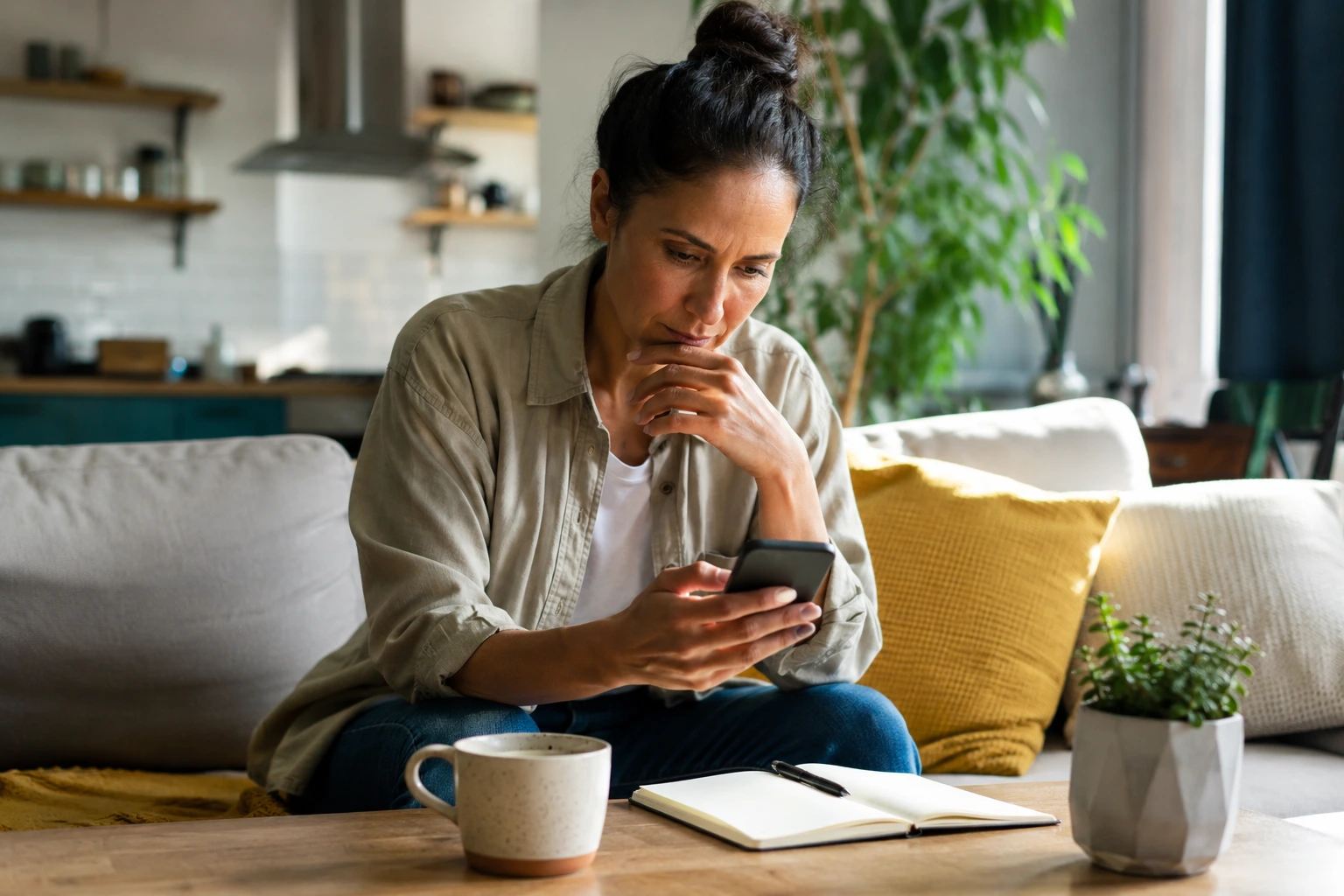
You’re juggling pill bottles, appointment cards, and scattered notes about your blood pressure, feeling like you’re losing track of your own health, and a personal health dashboard might finally be the tool that puts everything back in your hands where it belongs.
The power of personal health dashboards
Personal health dashboards are customized platforms that let you see your entire health picture in one place, and honestly, it feels like someone finally understood the chaos seniors deal with daily. Imagine Margaret, a 68-year-old managing diabetes, high blood pressure, and arthritis. Before discovering her dashboard, she kept three separate notebooks and missed tracking patterns that mattered. Now she logs her blood sugar readings, blood pressure, and medication times in one app, and within weeks she noticed something remarkable: her doctor could see exactly when her readings spiked and why. These tools help you spot trends you’d never catch otherwise, like how your sleep affects your energy or how skipping a dose impacts your numbers. You get personalized insights based on your actual data, not guesses.
- Easily monitor vital signs and health metrics in real time
- Track medication adherence and appointments without confusion
- Receive personalized recommendations based on your actual data patterns
Improving daily health routines
When you use a health dashboard daily, something shifts in how you feel about your health. Robert, 72, told us that before his dashboard, mornings felt like a guessing game: Did I take my medication? When’s my next doctor visit? Now he gets gentle reminders that actually work with his routine, not against it. He checks his dashboard while having coffee, sees what needs attention that day, and feels genuinely in control. Seniors report feeling less anxious because they’re not relying on memory anymore. You can set medication reminders, track when you last refilled prescriptions, and even log how you’re feeling emotionally. This isn’t about obsessing over numbers; it’s about building a routine that actually sticks and makes you feel capable.
💬 Ready to feel better in 2 minutes?choose where to begin:
Enhanced communication with healthcare providers
Here’s what changes everything: when you walk into your doctor’s office with three months of organized health data instead of vague memories, the conversation becomes completely different. Your doctor can see patterns you might have missed, like how your symptoms cluster around certain times or activities. Helen, 70, brought her dashboard data to her rheumatologist and discovered her joint pain had a clear weekly pattern tied to her activity level. Her doctor adjusted her treatment plan based on real evidence, not assumptions. You can share specific data points, ask informed questions, and actually understand why your doctor is recommending certain changes. This partnership transforms healthcare from something that happens to you into something you actively shape together.
Creating a sense of security and peace of mind
The emotional weight of managing your health as a senior is real, and a personal health dashboard lifts so much of that burden. You’re no longer wondering if you’re doing enough or missing something critical. David, 75, said using his dashboard felt like having a trusted advisor available 24/7. When he felt dizzy, he could check his recent readings and see if something was actually off or if he was just anxious. That reassurance alone reduced his stress dramatically. You know your information is organized, accessible, and safe. You can share it with family members who worry about you, or keep it private. That sense of control and transparency brings genuine peace of mind that no amount of reassurance from others can provide.
Seniors utilizing personal health dashboards are experiencing remarkable benefits, including improved health monitoring, enhanced communication with healthcare providers, and a greater sense of control over their well-being. These tools have revolutionized how seniors manage their health, offering convenience, empowerment, and peace of mind.
How can a personal health dashboard benefit seniors?
Personal health dashboards help seniors track vital signs, manage medications, and improve communication with healthcare providers, leading to better health management and outcomes.
Are health dashboards user-friendly for seniors?
Many health dashboards are designed with user-friendly interfaces and features specifically catering to seniors, making them easy to navigate and utilize.
Others also read:
Disclaimer: This article is for informational purposes only and is not a substitute for professional medical advice. Always consult a healthcare professional for personal guidance.
This article presents an experience-based perspective and has been reviewed by the GlobalHealthBeacon editorial team in 2026. It provides structured, evidence-based information to support informed health decisions.
