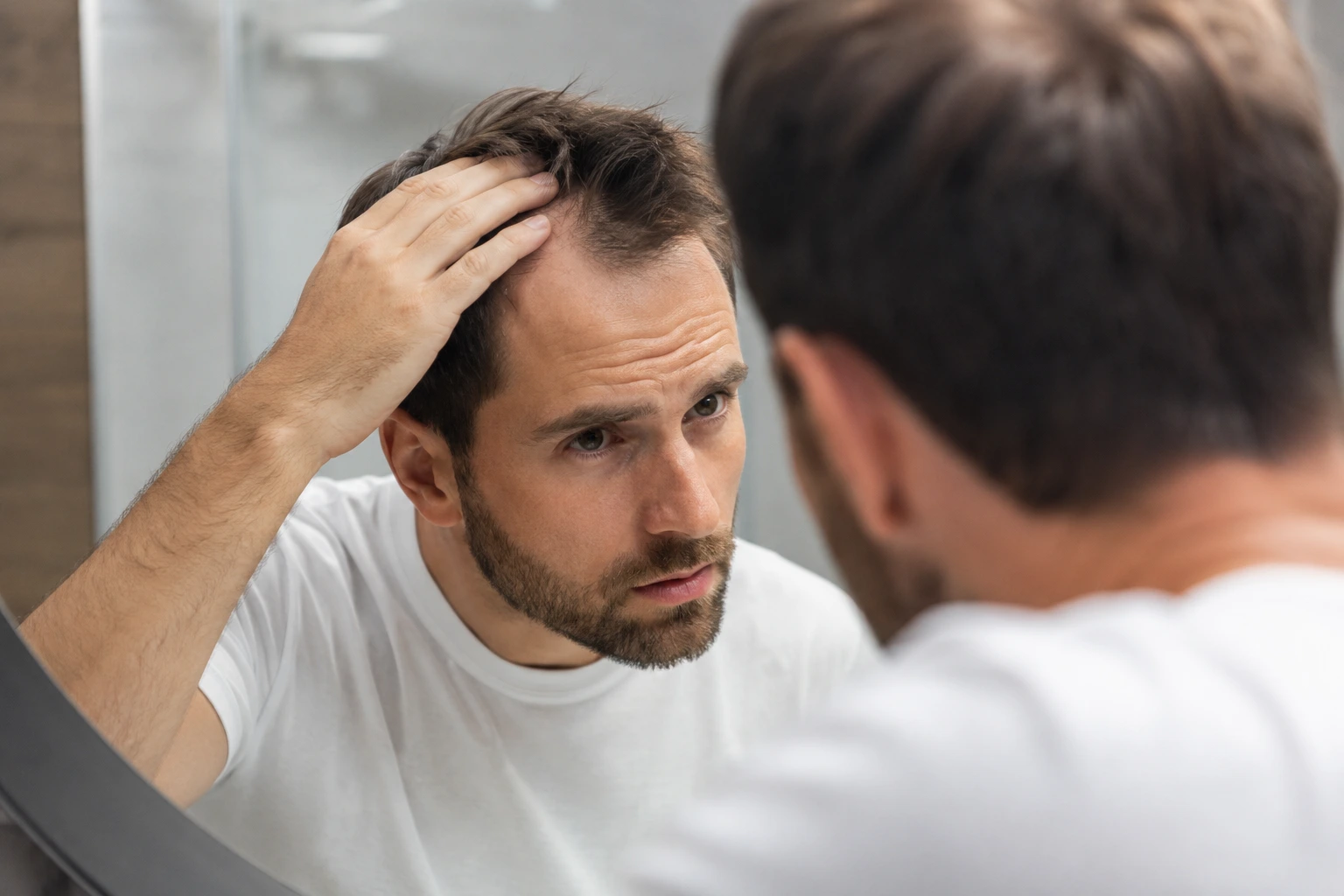
You’re noticing more strands in your brush, your ponytail feels thinner, and you can’t shake the worry that something’s changing with your hair thinning early signs, so let’s cut through the confusion and understand exactly what’s happening beneath your scalp.
Understanding hair growth cycle
Your hair doesn’t grow continuously. Instead, each strand moves through three distinct phases that repeat throughout your life. The anagen phase is the growth phase, where hair actively extends from the follicle for two to seven years. During this time, your hair is at its thickest and strongest. Then comes the catagen phase, a brief transitional period lasting a few weeks where growth stops and the hair follicle begins to shrink. Finally, the telogen phase is the resting phase, lasting about three months, when your hair sits dormant before eventually shedding. This is completely normal. Most women shed between 50 and 100 hairs daily as part of this natural cycle. However, when more hairs enter the telogen phase prematurely or remain there longer than usual, you notice increased shedding and visible thinning. Understanding this cycle helps you recognize that some hair loss is expected, but excessive shedding during the telogen phase often signals that something is disrupting your hair’s natural rhythm.
Hormonal changes and hair health
Hormones are powerful regulators of hair growth, and fluctuations can dramatically affect thickness and density. Estrogen typically supports hair growth by keeping more follicles in the anagen phase, while androgens like DHT can shrink hair follicles in genetically susceptible women. This is why hormonal shifts matter so much. Women with polycystic ovary syndrome (PCOS) experience elevated androgen levels, leading to androgenetic alopecia, a progressive thinning pattern. Similarly, thyroid imbalances can disrupt the entire hair growth cycle, causing telogen effluvium, where many hairs simultaneously enter the shedding phase. Pregnancy and postpartum periods bring dramatic hormonal swings that can trigger temporary hair loss. Menopause introduces another layer of complexity as estrogen declines and androgen sensitivity increases. A woman in her early fifties might suddenly notice her part widening or her hairline receding slightly, changes that often correlate with menopausal hormone shifts. Blood tests measuring thyroid function, testosterone, and other hormonal markers can reveal whether hormonal imbalance is driving your hair thinning.
Scalp health and nutrition
A healthy scalp is the foundation for thick, resilient hair, yet many women overlook this crucial element. Your scalp needs adequate blood flow to deliver nutrients and oxygen to hair follicles. Poor circulation, inflammation, or nutritional deficiencies starve follicles, causing them to shrink and produce thinner strands. Protein is essential because hair is primarily made of keratin, a structural protein. Without sufficient protein intake, your body cannot rebuild damaged hair or support new growth. Iron deficiency is particularly common in women and directly impacts hair health. Iron carries oxygen to follicles, and low levels trigger telogen effluvium. Biotin, a B vitamin, supports keratin production and strengthens the hair shaft. Zinc, magnesium, and vitamin D also play critical roles in follicle function. Beyond nutrition, scalp circulation matters tremendously. Regular massage increases blood flow to hair follicles, delivering more nutrients and removing metabolic waste. Many women report noticing thicker, healthier hair within weeks of combining improved nutrition with consistent scalp care practices.
- Incorporate protein-rich foods like lean meats, eggs, and legumes into your diet to provide the amino acids your hair follicles need for keratin production.
- Ensure adequate iron intake through sources like leafy greens, nuts, and seeds, or ask your doctor about testing your iron levels if you suspect deficiency.
- Consider using biotin supplements after consulting with a healthcare provider to determine the right dosage for your individual needs.
- Practice weekly scalp massages using essential oils like lavender or rosemary for added circulation benefits and to create a relaxing self-care ritual.
🔬 Science-backed benefits in 2 minuteschoose where to begin:
Genetics and hair thinning
Your genes largely determine your hair’s destiny. Female pattern hair loss, or androgenetic alopecia, is hereditary and accounts for the majority of hair thinning in women. If your mother, grandmother, or aunts experienced hair thinning, your risk increases significantly. The genetic component involves sensitivity to DHT, a hormone derived from testosterone. Some women’s follicles are genetically programmed to shrink when exposed to DHT, even at normal hormone levels. This explains why two women with identical hormone profiles can have completely different hair outcomes. The pattern of thinning also tends to run in families. Some women experience diffuse thinning across the entire scalp, while others notice a widening part or thinning at the crown. Understanding your family history provides valuable context. If your mother noticed thinning in her forties, you might expect similar timing. Conversely, if hair loss skipped a generation in your family, you may have lower genetic risk. Genetic testing can now identify specific variants associated with hair loss susceptibility, though this information is primarily useful for understanding your baseline risk rather than predicting exact outcomes.
Environmental factors and hair health
Your daily environment constantly challenges your hair. Pollution particles accumulate on your scalp, blocking follicles and triggering inflammation. UV radiation damages the protein structure of hair, making strands brittle and prone to breakage. Harsh styling practices like tight ponytails, frequent heat styling, and chemical treatments physically damage hair shafts and stress follicles. A woman who blow-dries her hair daily at high heat, then sleeps with it in a tight bun, is subjecting her hair to cumulative stress that accelerates thinning. Hard water containing mineral deposits can coat hair, making it appear thinner and duller. Chlorine from swimming pools strips protective oils and weakens the hair shaft. Even air quality matters. Women living in heavily polluted urban areas often report more noticeable hair thinning than those in cleaner environments. Protecting your hair involves using gentle products, minimizing heat styling, wearing UV-protective hats in sun, and rinsing chlorine from your hair immediately after swimming. These environmental modifications cost nothing but attention and can meaningfully slow age-related thinning.
Consulting a healthcare professional
When hair thinning persists despite your best efforts, professional evaluation becomes valuable. A dermatologist or trichologist can examine your scalp under magnification, assess hair density patterns, and order blood tests to identify underlying causes. They might perform a pull test, gently tugging a small section of hair to measure how many strands shed, or a scalp biopsy if the diagnosis is unclear. These specialists understand the nuances of different hair loss types and can distinguish between androgenetic alopecia, telogen effluvium, alopecia areata, and other conditions. They can recommend treatments ranging from topical minoxidil to oral medications, low-level laser therapy, or platelet-rich plasma injections. They also provide realistic expectations about what treatments can achieve. Some women expect hair regrowth when stabilizing further loss is the actual goal. Professional guidance prevents wasted time and money on ineffective approaches. Many insurance plans cover dermatology visits, especially when hair loss relates to a diagnosed condition like PCOS or thyroid disease. Starting with your primary care doctor, who can order initial blood work and refer you to a specialist, is often the most efficient path.
Hair thinning in women results from interconnected biological factors. The hair growth cycle, hormonal balance, scalp health, genetic predisposition, and environmental stressors all influence whether your hair remains thick and resilient or gradually thins. Recognizing early signs means understanding these mechanisms and addressing them systematically. Nutrition supports follicle function, stress management protects the growth cycle, gentle hair care reduces physical damage, and professional evaluation identifies treatable underlying conditions. Most importantly, hair thinning is not inevitable or irreversible in all cases. Many women successfully slow or stabilize hair loss through informed lifestyle choices and appropriate medical intervention.
Can stress contribute to hair thinning?
Yes, chronic stress disrupts the hair growth cycle through multiple mechanisms. Stress hormones like cortisol can push more hair follicles into the telogen phase prematurely, causing increased shedding weeks or months after the stressful event. This condition, called telogen effluvium, is reversible once stress decreases. Additionally, stress triggers inflammation and reduces blood flow to the scalp, starving follicles of nutrients. Implementing stress management techniques like meditation, exercise, adequate sleep, and social connection can help mitigate this impact and support hair health.
Are dietary supplements effective for improving hair thickness?
Dietary supplements like biotin, iron, zinc, and vitamin D can support hair health, but their effectiveness depends on whether you have an underlying deficiency. If your hair thinning stems from biotin deficiency, biotin supplementation helps. If your thinning relates to low iron, iron supplementation may improve outcomes. However, if your nutrient levels are already adequate, additional supplementation provides minimal benefit. Blood tests can identify specific deficiencies before starting supplements. Consulting with a healthcare provider ensures you take appropriate doses and avoid interactions with other medications, maximizing safety and effectiveness.
Others also read:
Disclaimer: This article is for informational purposes only and is not a substitute for professional medical advice. Always consult a healthcare professional for personal guidance.
This article has been prepared and reviewed by the GlobalHealthBeacon editorial team and is based on current medical research and published scientific literature available in 2026. It provides structured, evidence-based information to support informed health decisions.
