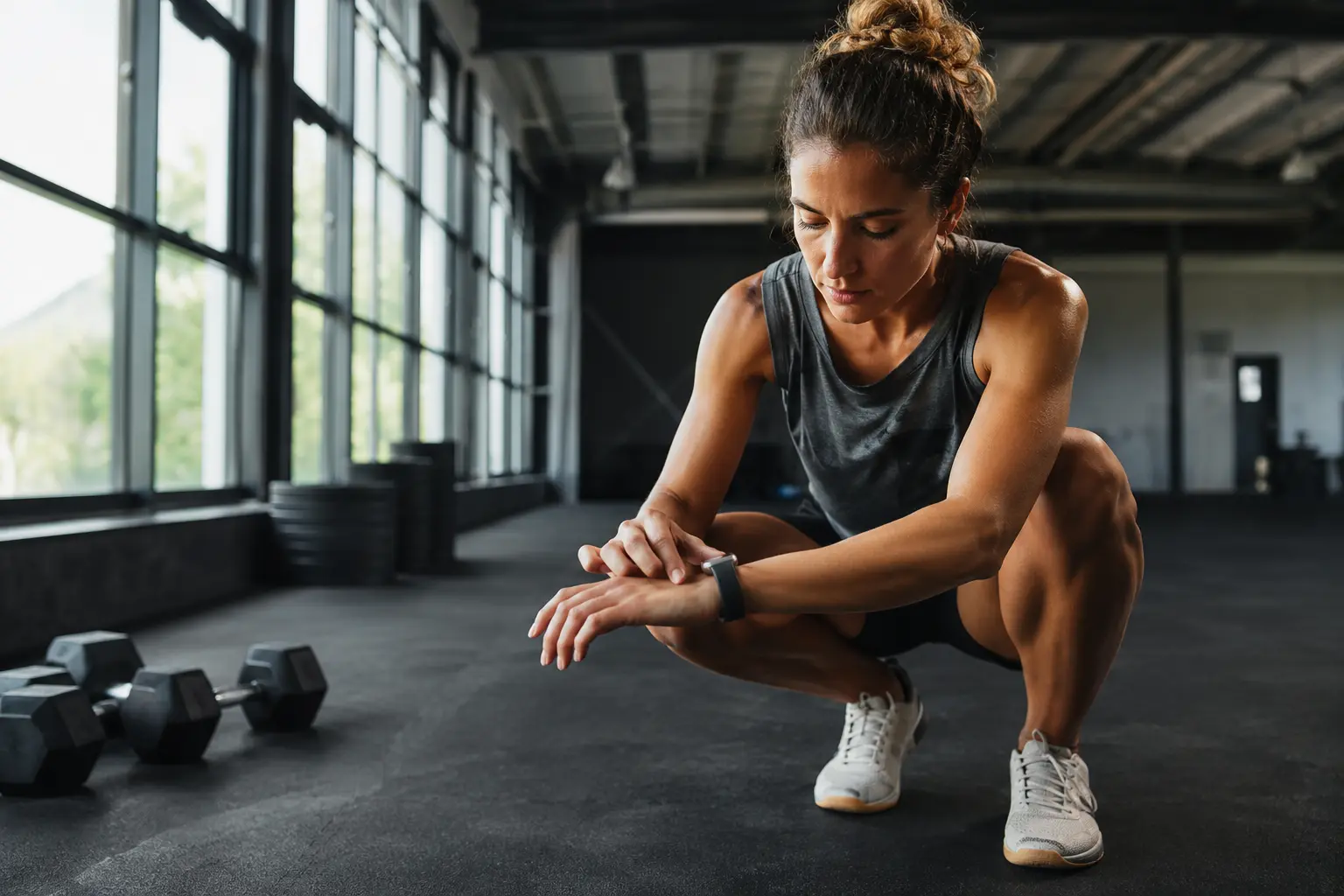
You’re stuck in a fitness rut, scrolling through endless workout videos that all feel the same, and you have no idea which trends actually work or if you’re wasting your time on hype instead of results. Here’s what the newest fitness trends explained can do for you: cut through the noise and show you exactly what’s working right now for people like you.
HIIT workouts: a game-changer in fitness
High-Intensity Interval Training has become the go-to choice for young adults who are tired of spending hours at the gym with minimal results. The concept is straightforward but powerful: you alternate between short bursts of maximum-effort exercise and brief recovery periods. Imagine sprinting for 30 seconds, then walking for 15 seconds, then repeating that cycle for 15 to 20 minutes total. What makes HIIT so effective is that your body continues burning calories long after you finish working out, a phenomenon called the afterburn effect. A typical HIIT session might include exercises like jump squats, burpees, mountain climbers, or high knees. The beauty of HIIT is flexibility: you can do it anywhere without equipment, adapt it to your fitness level, and see measurable improvements in cardiovascular health and fat loss within weeks. Many young adults report feeling more energized throughout the day after incorporating HIIT into their routine, even when training just three times per week.
- Efficient way to burn calories and fat
- Increases endurance and stamina
- No equipment needed for many HIIT routines
Wearable fitness technology: the future of fitness tracking
Wearable devices have transformed how you monitor your fitness progress and stay accountable to your goals. Smartwatches and fitness trackers do far more than count steps. They monitor your heart rate variability, which indicates how well your body is recovering between workouts. They log your sleep quality and duration, helping you understand the connection between rest and performance. Some devices even detect when you are inactive for too long and send gentle reminders to move. Consider this scenario: you set a goal to walk 10,000 steps daily. Your tracker visualizes your progress in real time, sends you encouraging notifications when you hit milestones, and shows you weekly trends so you can spot patterns in your activity. This data becomes incredibly motivating because you see tangible proof of your effort. Many young adults find that simply wearing a tracker increases their daily movement by 20 to 30 percent because they become more conscious of their habits. The key is choosing a device that syncs with apps you already use and provides insights that matter to you personally.
📘 Fix your day in under 2 minuteschoose where to begin:
Mind-body workouts: connecting physical and mental wellness
While HIIT and strength training dominate fitness conversations, mind-body practices like yoga, Pilates, and tai chi address something equally important: the relationship between how you move and how you feel mentally. These workouts emphasize controlled breathing, deliberate movement patterns, and present-moment awareness. A typical yoga session might involve holding poses that build core strength and flexibility while you focus on your breath, naturally reducing stress and anxiety. Pilates targets deep stabilizer muscles through precise, flowing movements that improve posture and balance. Many young adults discover that after a 45-minute yoga or Pilates class, they feel not just physically stronger but mentally clearer and calmer. The stress-reducing benefits are backed by science: these practices lower cortisol levels and activate your parasympathetic nervous system, which is your body’s natural relaxation response. If you spend your day hunched over a desk or scrolling on your phone, mind-body workouts directly counteract that tension and realign your spine. They also build body awareness, helping you notice and correct poor movement patterns before they cause injury.
Functional training: building strength for real-life activities
Functional training shifts your focus from isolated muscle movements to compound exercises that mimic everyday actions. Instead of doing bicep curls alone, you might perform a squat while pressing weight overhead, which engages your legs, core, and shoulders simultaneously. This approach trains your body to work as an integrated system, which translates directly to real life. Picture carrying groceries upstairs, moving furniture, playing sports, or even just maintaining balance while reaching for something on a high shelf. Functional exercises like deadlifts, lunges, push-ups, rows, and rotational movements prepare your body for these situations. Young adults who practice functional training report fewer injuries during daily activities and improved athletic performance in sports. The added benefit is efficiency: you accomplish more in less time because you are working multiple muscle groups and energy systems at once. Functional training also emphasizes proper form and movement patterns, which reduces injury risk compared to heavy lifting with poor technique. Many trainers recommend functional training as the foundation for long-term fitness because it builds practical strength that serves you throughout your life.
Group fitness classes: fun and social workout experiences
Working out alone can feel isolating and unmotivating, which is why group fitness classes have exploded in popularity among young adults. Whether it is a high-energy spin class, a dance-based Zumba session, a challenging boot camp, or a boxing class, the group environment creates something individual workouts cannot: accountability, motivation, and community. When you show up to a class, an instructor guides you through every movement, removing the guesswork about whether you are exercising correctly. Your classmates become your peers, and many people form genuine friendships through regular attendance. The music, energy, and collective effort create a psychological boost that makes you push harder than you would alone. A typical spin class, for example, combines high-intensity cycling with motivational coaching and music that syncs with the workout intensity. Many young adults find that group classes make fitness feel less like a chore and more like a social event they actually look forward to. The accountability factor is powerful too: when you have a class scheduled and people expecting you, you are far more likely to show up consistently. This consistency is what drives real results over time.
The newest fitness trends explained show you five distinct approaches to building a sustainable fitness practice: HIIT workouts deliver efficient calorie burn and cardiovascular gains, wearable technology keeps you accountable through data and insights, mind-body exercises balance strength with mental clarity, functional training builds practical real-world strength, and group fitness classes provide community and motivation. You do not need to do all of these at once. Start by identifying which approach aligns with your personality and schedule, then commit to it for at least four weeks before evaluating results. The best fitness trend is the one you will actually stick with.
Are HIIT workouts suitable for beginners?
Yes, but with modifications. Beginners should start with lower-impact versions, such as stepping instead of jumping, and longer rest periods between intervals. Begin with 10 to 15 minute sessions once or twice per week, then gradually increase duration and intensity as your fitness improves. Always listen to your body and stop if you experience sharp pain or excessive dizziness.
How can wearable fitness technology benefit my workouts?
Wearable devices track your progress, monitor heart rate and recovery, remind you to stay active, and analyze sleep patterns. This data helps you set realistic goals, identify which workouts produce the best results for your body, and spot trends in your energy and performance. The motivation from seeing tangible progress often increases consistency, which is the real driver of fitness results.
Disclaimer: This article is for informational purposes only and is not a substitute for professional medical advice. Always consult a healthcare professional for personal guidance.
This guide has been prepared and reviewed by the GlobalHealthBeacon editorial team and reflects current medical research as of 2026. It provides structured, evidence-based information to support informed health decisions.
