Tired of feeling stuck in the same workout routine while everyone else seems to have figured out what actually works? The newest fitness trends explained are reshaping how women approach fitness, and you’re about to discover exactly which ones will transform your routine.
Virtual workouts: breaking barriers
Virtual workouts have fundamentally changed how women access fitness, removing the gatekeeping that once required a gym membership and commute time. Imagine waking up at 5 AM and jumping into a live yoga class without leaving your bedroom, or squeezing in a 30-minute strength session during your lunch break while your kids nap. This is the reality for millions of women now. Platforms offer everything from high-intensity interval training to dance cardio, pilates reformer classes, and boxing sessions. The key advantage is personalization: you can try a new instructor every day, pause when life interrupts, and rewind if you missed a cue. Common mistakes include choosing too many options at once, which leads to decision paralysis, or signing up for classes that don’t match your actual schedule. Start by selecting one platform and committing to three classes before evaluating. Track which instructors and styles energize you most, then build your weekly routine around those preferences. The flexibility means you can adapt as your life changes.
- Access to a wide range of workout styles and instructors
- Elimination of commute time to the gym
- Ability to personalize your fitness routine based on your schedule
Mind-body connection: embracing holistic wellness
The shift toward mind-body integration reflects a deeper understanding that fitness isn’t just about physical output; it’s about how you feel mentally and emotionally. Women are discovering that a 20-minute meditation session can reduce anxiety more effectively than scrolling social media, and that breathwork during strength training actually improves performance. Consider Sarah, a busy professional who added five minutes of box breathing before her morning workouts. Within two weeks, she noticed her form improved, her mind felt clearer, and she stopped dreading exercise. Yoga isn’t just stretching; it’s a practice that teaches you to notice tension patterns in your body and release them. Meditation apps now offer guided sessions specifically designed for pre-workout focus or post-workout recovery. Breathwork techniques like alternate nostril breathing or 4-7-8 breathing can be practiced anywhere. The mistake many women make is treating these practices as separate from fitness rather than integral to it. Instead of viewing yoga as a rest day activity, integrate breathing exercises into your warm-ups and cool-downs. This creates a complete nervous system reset that enhances both physical and mental resilience.
📘 Fix your day in under 2 minuteschoose where to begin:
Outdoor fitness: nature’s gym
Outdoor fitness offers what no indoor studio can: natural vitamin D, fresh air, and the psychological reset that comes from moving your body in open space. Trail running through a local park, cycling along scenic routes, or attending outdoor boot camps in your neighborhood creates a completely different workout experience than treadmills and machines. Imagine joining a Saturday morning hiking group where you’re climbing elevation while connecting with other women, or doing bodyweight exercises on a beach where the sand adds natural resistance. Outdoor workouts naturally vary in intensity because terrain changes, weather shifts, and your body adapts to uneven surfaces, which actually strengthens stabilizer muscles that flat gym floors miss. The challenge is planning for weather and safety. Start with well-maintained local trails or parks with good lighting if you exercise early or late. Invest in proper footwear for the terrain you choose. Many women hesitate because they worry about being too slow or not fit enough, but outdoor fitness communities are genuinely welcoming. Begin with shorter distances or easier routes, then progress as your confidence builds. The mental health benefits of outdoor movement often exceed the physical ones.
Strength training: empowering women
Strength training for women has moved beyond the misconception that lifting weights makes you bulky; it’s now recognized as essential for bone density, metabolism, and long-term health. Women who lift weights consistently report not just physical changes but a profound shift in confidence and how they move through the world. Start with compound movements like squats, deadlifts, and push-ups that engage multiple muscle groups simultaneously. A practical approach is following a structured program three times weekly, focusing on different muscle groups each session. For example, Monday might be lower body, Wednesday upper body, and Friday full body. Many women make the mistake of using weights that are too light because they underestimate their strength or fear judgment. The right weight should challenge you for the last two repetitions of each set. Consider working with a trainer for two to three sessions to learn proper form, which prevents injury and ensures you’re actually working the muscles you intend to target. Progressive overload, meaning gradually increasing weight or repetitions, is how you build strength sustainably. The empowerment comes not just from physical strength but from proving to yourself that you’re capable of more than you thought.
Tech-savvy fitness: tracking progress
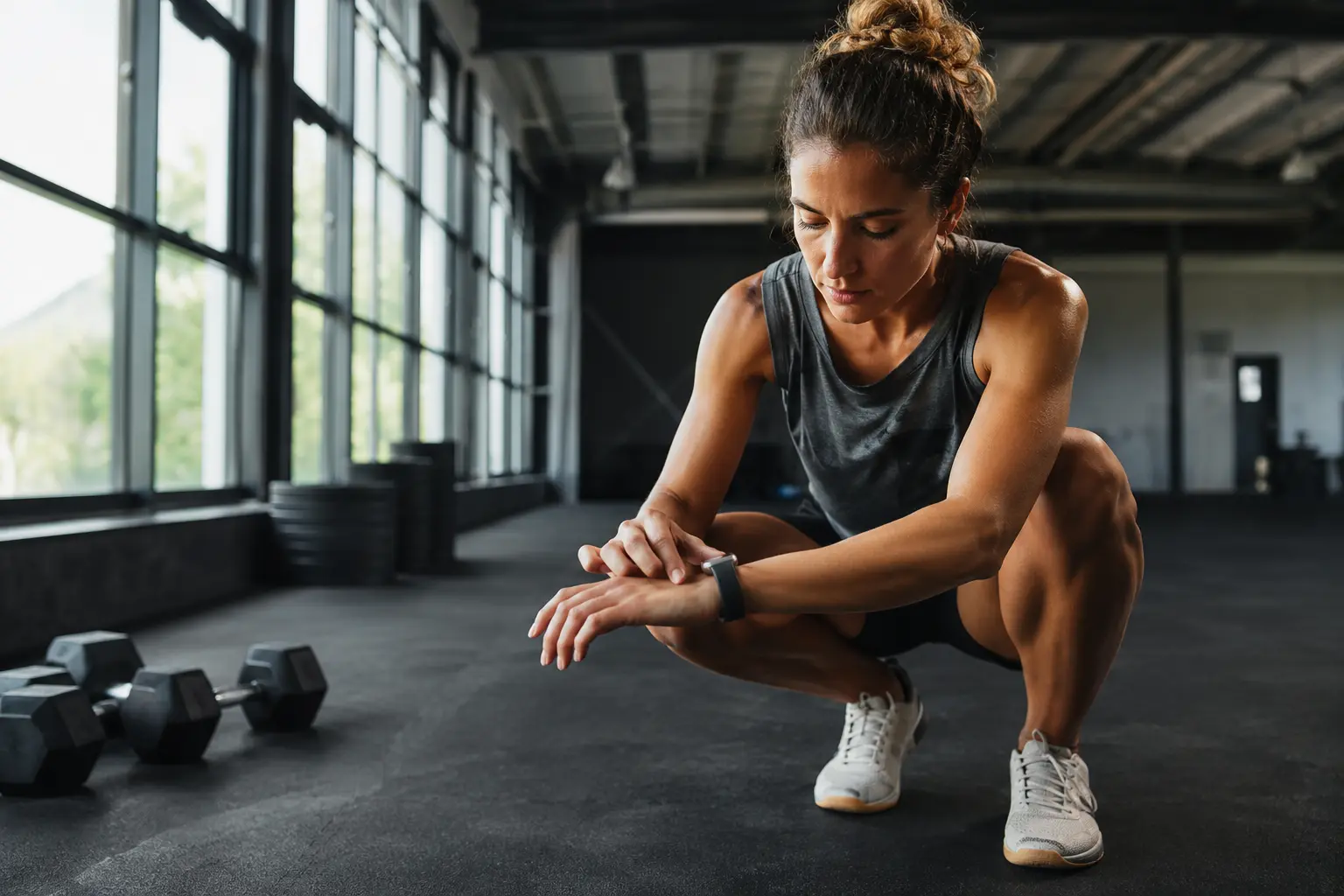
Fitness technology has evolved from simple step counters to sophisticated systems that monitor heart rate variability, sleep quality, recovery metrics, and workout intensity. Wearable devices like smartwatches and fitness rings provide real-time feedback that helps you understand how your body responds to different activities and stressors. Imagine receiving a notification that your recovery score is low, prompting you to choose a gentle yoga session instead of high-intensity training, which prevents burnout and overtraining. Fitness apps sync with these devices to create a complete picture of your health trends over weeks and months. You can see patterns like how sleep affects your workout performance or how stress impacts your resting heart rate. The data becomes motivating when you watch metrics improve over time. However, a common pitfall is becoming obsessed with numbers at the expense of how you actually feel. Use technology as a guide, not a dictator. If your tracker says you haven’t hit your step goal but you’ve done an intense strength session, trust that you’ve still had a productive day. The best tech is the one you’ll actually use consistently, so choose devices and apps that fit your lifestyle and preferences rather than chasing the most expensive option.
Women’s fitness trends are evolving towards inclusivity, wellness, and empowerment. Embrace virtual workouts, holistic practices, outdoor activities, strength training, and tech tools to enhance your fitness journey.
Are virtual workouts as effective as traditional gym sessions?
Yes, virtual workouts can be equally effective as traditional gym sessions, offering convenience and flexibility without compromising results. It’s essential to find a workout style that suits your preferences and goals.
How can I incorporate outdoor fitness activities into my routine?
You can incorporate outdoor fitness activities by exploring nearby parks, trails, or participating in outdoor group classes. Remember to stay hydrated, wear suitable attire, and protect your skin from the sun.
Others also read:
Disclaimer: This article is for informational purposes only and is not a substitute for professional medical advice. Always consult a healthcare professional for personal guidance.
This guide has been prepared and reviewed by the GlobalHealthBeacon editorial team and reflects current medical research as of 2026. It provides structured, evidence-based information to support informed health decisions.
