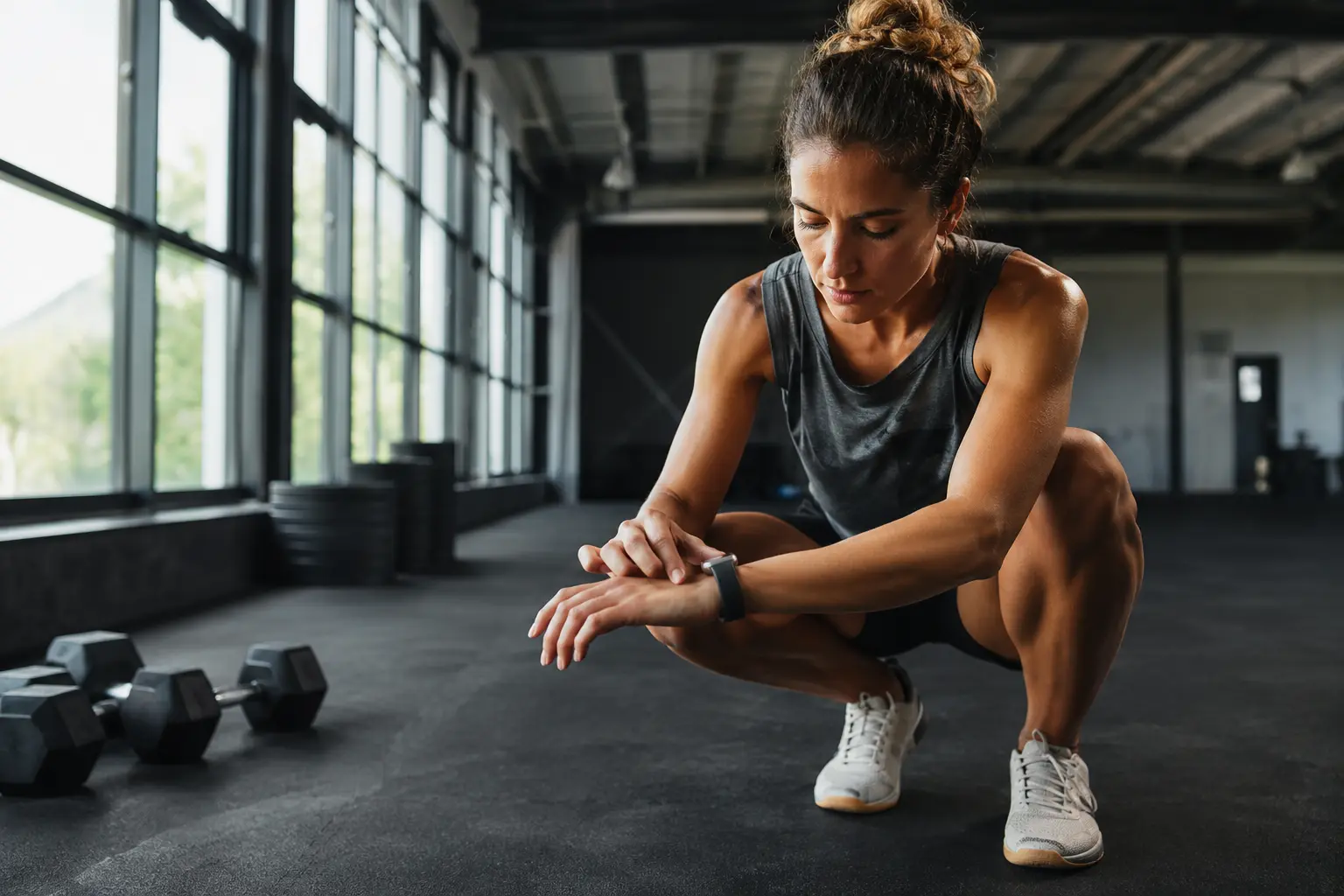
You’re drowning in conflicting fitness advice, trying every trendy workout that promises results, and still not sure if you’re wasting your time or actually onto something real – here’s what the newest fitness trends explained by actual science reveals about what genuinely works for your body.
HIIT workouts: rapid fat-burning solutions
High-Intensity Interval Training has exploded in popularity among young adults, and there’s legitimate science backing the hype. The magic happens through a process called excess post-exercise oxygen consumption, or EPOC, where your metabolism stays elevated for hours after you finish. Imagine sprinting for 30 seconds, recovering for 90 seconds, then repeating – your body continues burning calories even while you’re showering afterward. A typical HIIT session might involve 20 minutes total, yet delivers metabolic benefits comparable to much longer steady-state cardio. The catch? Intensity matters enormously. Many people think they’re doing HIIT when they’re actually doing moderate intervals. True HIIT demands you push near your maximum effort during work periods. Beginners often make the mistake of starting too aggressively, leading to burnout or injury. The smart approach involves gradually building your fitness base with regular cardio first, then introducing HIIT once or twice weekly as a supplement, not a replacement for your entire routine.
Functional training: enhancing everyday movements
Functional training shifts focus from isolated muscle groups to movement patterns your body actually uses daily. Instead of bicep curls, you might perform farmer carries or Turkish get-ups, which engage multiple muscle groups while improving stability and coordination. Picture yourself carrying groceries up stairs, lifting a child, or reaching overhead to grab something from a shelf – functional training prepares your body for these real scenarios. Research consistently shows that people who incorporate functional movements experience fewer injuries and better balance as they age. A practical example: squats with rotation using a medicine ball trains your core, legs, and rotational stability simultaneously, mimicking how you’d bend and twist in actual life. Common mistakes include using too much weight too quickly or neglecting proper form in pursuit of looking strong. The real benefit emerges from consistent practice with controlled movements, building neuromuscular patterns that translate directly to injury prevention and improved quality of life.
Mind-body practices: stress reduction and well-being
Yoga and Pilates have transcended trendy status to become recognized tools for managing stress while building physical resilience. These practices work through deliberate breathing techniques and mindfulness, activating your parasympathetic nervous system – essentially your body’s brake pedal. When you’re stressed, your nervous system stays in fight-or-flight mode; mind-body practices help reset this. Consider a typical scenario: after a stressful workday, 30 minutes of yoga can lower cortisol levels and improve sleep quality that night. Pilates specifically targets core stability through precise, controlled movements, building functional strength without the joint stress of high-impact exercise. The mental component matters equally – the focused attention required during these practices creates a break from constant digital stimulation and worry. Many young adults discover that combining mind-body work with other fitness creates sustainable balance, preventing the burnout that comes from relentless intense training. The flexibility and body awareness improvements emerge gradually but compound over months.
- Start with beginner-friendly yoga or Pilates classes to learn proper form and technique.
- Gradually increase the intensity and duration of your mind-body sessions to challenge your body.
- Combine mind-body practices with other fitness routines to create a holistic approach to well-being.
🔬 Science-backed benefits in 2 minuteschoose where to begin:
Wearable fitness tech: monitoring progress and motivation
Smartwatches and fitness trackers have fundamentally changed how young adults approach fitness accountability. Real-time data on heart rate, steps, and calories burned creates immediate feedback loops that motivate continued effort. The psychological impact matters as much as the data itself – seeing your heart rate zone during exercise or watching your weekly step count climb creates tangible progress markers. However, technology can become a trap. Some people obsess over perfect metrics and abandon workouts if their tracker dies or malfunctions. The real value emerges when you use data to identify patterns: noticing you sleep better after strength training, or that morning workouts boost your mood more than evening sessions. A practical scenario involves using your tracker to establish baseline activity levels, then gradually increasing targets by 10 percent weekly rather than making drastic jumps. The device becomes a coach providing objective feedback, not a judge determining your worth. Many fitness professionals recommend using wearables as tools for awareness rather than sources of anxiety or perfectionism.
Group fitness classes: social support and accountability
Group fitness classes tap into powerful psychological mechanisms that solo workouts simply cannot replicate. The shared energy of 20 people pushing through a challenging workout creates momentum and motivation that’s difficult to generate alone. Research shows that people in group settings exercise harder and maintain consistency longer than those working independently. Imagine walking into a cycling class where the instructor knows your name, the music pumps, and everyone around you is equally committed – that environment naturally elevates your effort. The accountability factor proves particularly strong for young adults who might otherwise skip workouts when tired or unmotivated. Friendly competition emerges naturally without feeling forced, and the social connections often extend beyond class time. A common mistake involves jumping into advanced classes before building foundational fitness, leading to discouragement or injury. Smart progression means starting with beginner or mixed-level classes, building confidence and technique, then advancing. The community aspect often becomes the primary reason people stick with fitness long-term, even more than physical results.
Outdoor workouts: nature’s gym for physical and mental health
Exercising outdoors engages your body and mind in ways indoor gyms cannot replicate. Beyond the obvious physical benefits, research demonstrates that outdoor activity significantly improves mood, reduces stress hormones, and increases vitamin D production. The varied terrain of trails or parks naturally engages stabilizer muscles differently than flat treadmills, building functional strength while reducing repetitive strain injuries. Consider a practical scenario: trail running demands constant micro-adjustments to uneven surfaces, engaging your core and smaller stabilizing muscles that flat-surface running neglects. The mental health benefits emerge from exposure to natural light, fresh air, and the psychological restoration that nature provides. Young adults often report feeling more energized and mentally clear after outdoor workouts compared to identical indoor sessions. Common mistakes include overestimating your fitness level on unfamiliar terrain or ignoring weather conditions that could affect safety. Starting with well-maintained local parks or established trails, then gradually exploring more challenging environments, builds both physical capability and confidence. The combination of physical challenge and natural environment creates a powerful wellness multiplier effect.
Latest fitness trends for young adults are backed by research: HIIT for fat burning, functional training for everyday movements, mind-body practices for stress reduction, wearable tech for tracking progress, group classes for social support, and outdoor workouts for physical and mental health.
Are HIIT workouts suitable for all fitness levels?
HIIT workouts can be adapted to suit various fitness levels by adjusting intensity and rest periods. Beginners should start slowly and gradually increase the difficulty as their fitness improves.
Is it necessary to use wearable fitness tech to track progress?
While wearable fitness technology can be helpful for monitoring progress, it is not essential. Tracking progress can also be done manually by keeping a workout journal or using smartphone apps.
Others also read:
Disclaimer: This article is for informational purposes only and is not a substitute for professional medical advice. Always consult a healthcare professional for personal guidance.
This article has been prepared and reviewed by the GlobalHealthBeacon editorial team and is based on current medical research and published scientific literature available in 2026. It provides structured, evidence-based information to support informed health decisions.
