You’re drowning in fitness noise, scrolling past a thousand conflicting claims about what actually works, and honestly, it’s exhausting trying to figure out which trends are real science and which are just marketing hype designed to empty your wallet.
High-intensity interval training (HIIT)
HIIT involves short bursts of intense exercise followed by brief rest periods, and the science behind it is genuinely compelling. Imagine sprinting for 30 seconds at maximum effort, then recovering for 20 seconds, repeating this cycle for 15 to 20 minutes. Research published in sports medicine journals consistently shows that HIIT can significantly improve cardiovascular health, increase VO2 max, and boost metabolic rate for hours after exercise ends. For women specifically, studies indicate HIIT can enhance insulin sensitivity and support healthy weight management. The beauty of HIIT lies in its efficiency. A woman juggling work, family, and personal goals can complete an effective HIIT session in 20 minutes, producing fitness gains comparable to 45 minutes of steady-state cardio. Common mistakes include starting too intensely without proper conditioning, which can lead to injury or burnout. The key is building gradually, allowing your body to adapt before pushing maximum intensity.
Functional training
Functional training focuses on movements that mimic real-life activities like lifting groceries, climbing stairs, or playing with grandchildren. Rather than isolating single muscles on machines, functional training engages multiple muscle groups in coordinated patterns. Picture a woman performing a kettlebell goblet squat while maintaining an upright torso. This movement strengthens her legs, core, and back simultaneously while improving balance and coordination. Research indicates that functional training enhances proprioception, the body’s awareness of itself in space, which becomes increasingly important as we age. Studies show functional training can reduce fall risk, improve daily functionality, and prevent injuries more effectively than traditional isolated strength training. Women often report feeling stronger in everyday life, noticing improvements in posture and reduced joint stress. A common misconception is that functional training requires expensive equipment. In reality, bodyweight movements, resistance bands, and simple objects provide excellent functional training stimulus.
Key steps to implement functional training
Starting a functional training program requires thoughtful progression. First, assess your current fitness level honestly by testing basic movements like a bodyweight squat, single-leg balance, or a modified push-up. Identify areas where you feel weak or unstable. Next, consult with a qualified fitness professional who understands functional movement patterns and can design a program tailored to your specific needs and limitations. This personalized approach prevents compensatory movement patterns that can lead to injury. Finally, incorporate a variety of functional movements targeting different muscle groups and movement patterns. Include pushing movements like push-ups, pulling movements like rows, squatting patterns, hinging patterns, and rotational movements. Progress gradually by increasing difficulty, adding resistance, or improving stability requirements. Track your improvements in real movements that matter to your daily life, not just numbers on a scale.
- Assess current fitness level and set goals
- Consult with fitness professional for customized program
- Incorporate variety of functional movements in routine
🔬 Science-backed benefits in 2 minuteschoose where to begin:
Group workout classes
Group workout classes create an environment where motivation becomes contagious. Imagine stepping into a studio where 20 other women are moving together, the instructor’s energy is infectious, and the music pulses with encouragement. This social component is scientifically powerful. Research in exercise psychology shows that group settings boost mood through endorphin release and social connection simultaneously. Women in group classes report higher adherence rates compared to solo workouts, partly because of accountability and partly because of genuine community. Studies indicate that exercising with others reduces perceived effort, meaning the workout feels easier even though you’re working harder. Group classes also normalize fitness at different levels. A beginner can modify movements while advanced participants increase intensity, all in the same space. The psychological benefit of being surrounded by others pursuing similar goals cannot be overstated. Many women report that group classes transformed their relationship with exercise from obligation to genuine enjoyment.
Wearable fitness technology
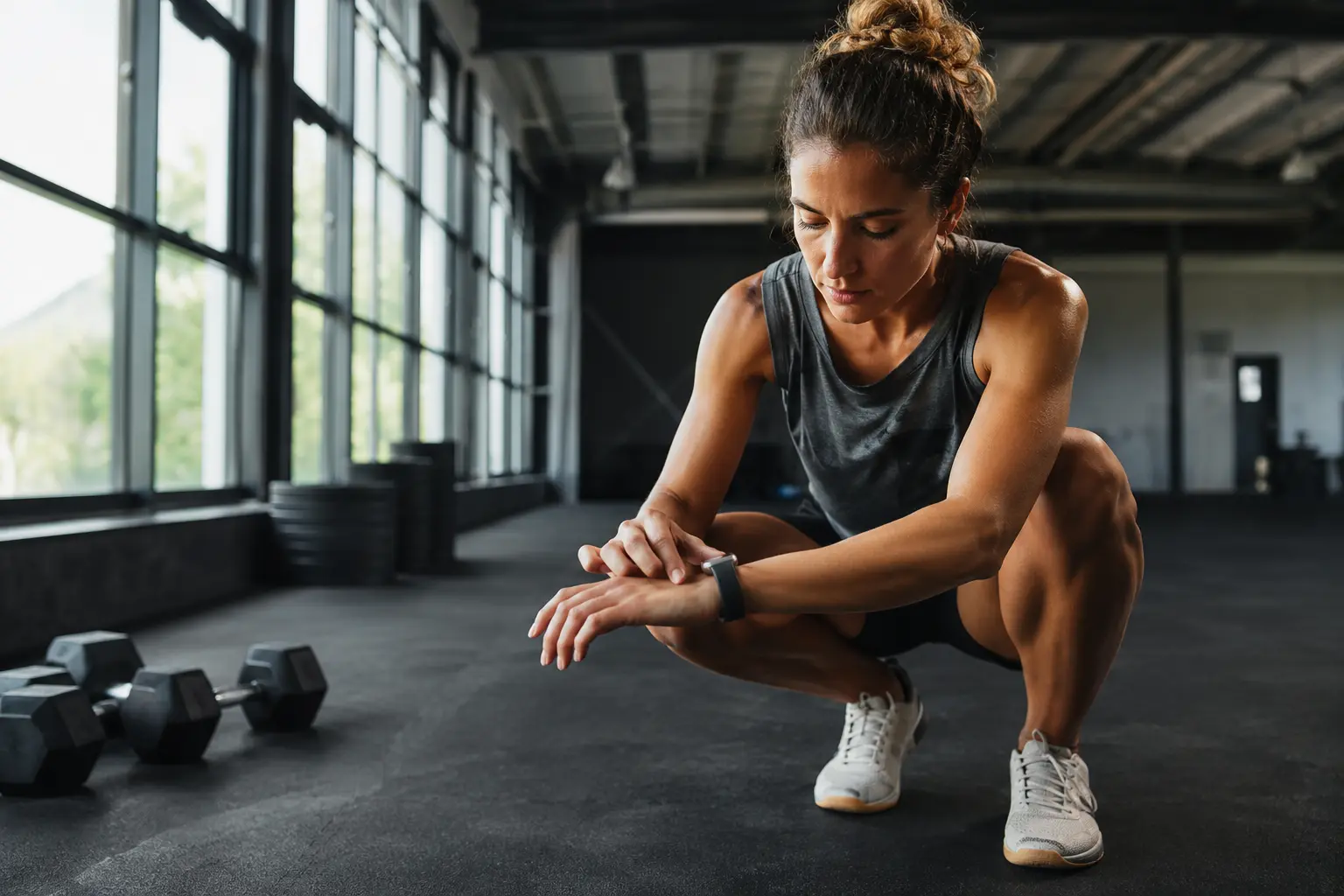
Wearable fitness technology like activity trackers and smartwatches provides objective data about your body’s responses to exercise. These devices monitor heart rate variability, which reflects your nervous system’s stress and recovery state, sleep quality, which directly impacts fitness progress and recovery, and daily activity patterns, which reveal whether you’re moving enough throughout the day. A woman wearing a fitness tracker might discover that her resting heart rate drops by five beats per minute over three months, a clear indicator of improved cardiovascular fitness. She can see her sleep improving after consistent exercise, or notice that stress levels correlate with reduced activity. This data transforms abstract fitness goals into concrete, measurable progress. However, a common pitfall is becoming obsessed with numbers while ignoring how you actually feel. Wearable technology works best as a tool for awareness and motivation, not as a replacement for listening to your body’s signals. The data should inform your decisions, not dictate them.
Mind-body practices
Mind-body practices such as yoga and Pilates integrate breath control, mindfulness, and precise body alignment into movement. Unlike high-intensity workouts that elevate heart rate dramatically, these practices cultivate awareness and control. A woman practicing Pilates focuses on engaging her deep core muscles while maintaining flowing movement and steady breathing. Neuroscience research shows that this combination activates the parasympathetic nervous system, the body’s relaxation response, reducing cortisol and promoting stress recovery. Yoga specifically has been studied extensively for its effects on anxiety, depression, and chronic pain. The mindfulness component teaches women to notice tension patterns and release them consciously. Research suggests these practices improve posture, enhance flexibility, and reduce chronic pain more effectively than stretching alone. Many women find that mind-body practices provide mental clarity and emotional regulation alongside physical benefits. The meditative aspect addresses the whole person, not just muscles and cardiovascular fitness, making these practices valuable for long-term wellness.
Latest fitness trends like HIIT, functional training, group workout classes, wearable fitness technology, and mind-body practices offer women varied options to enhance their fitness levels and overall well-being. Exploring these trends from a scientific perspective can help women make informed decisions about their exercise routines.
Are group workout classes suitable for beginners?
Yes, group workout classes cater to all fitness levels, offering modifications for beginners and advanced participants. It’s a great way to exercise in a supportive environment.
Can wearable fitness technology replace personal trainers?
Wearable fitness technology can complement personal training by providing data and insights. However, a personal trainer offers individualized guidance and motivation that technology may not provide.
Others also read:
Disclaimer: This article is for informational purposes only and is not a substitute for professional medical advice. Always consult a healthcare professional for personal guidance.
This article has been prepared and reviewed by the GlobalHealthBeacon editorial team and is based on current medical research and published scientific literature available in 2026. It provides structured, evidence-based information to support informed health decisions.
