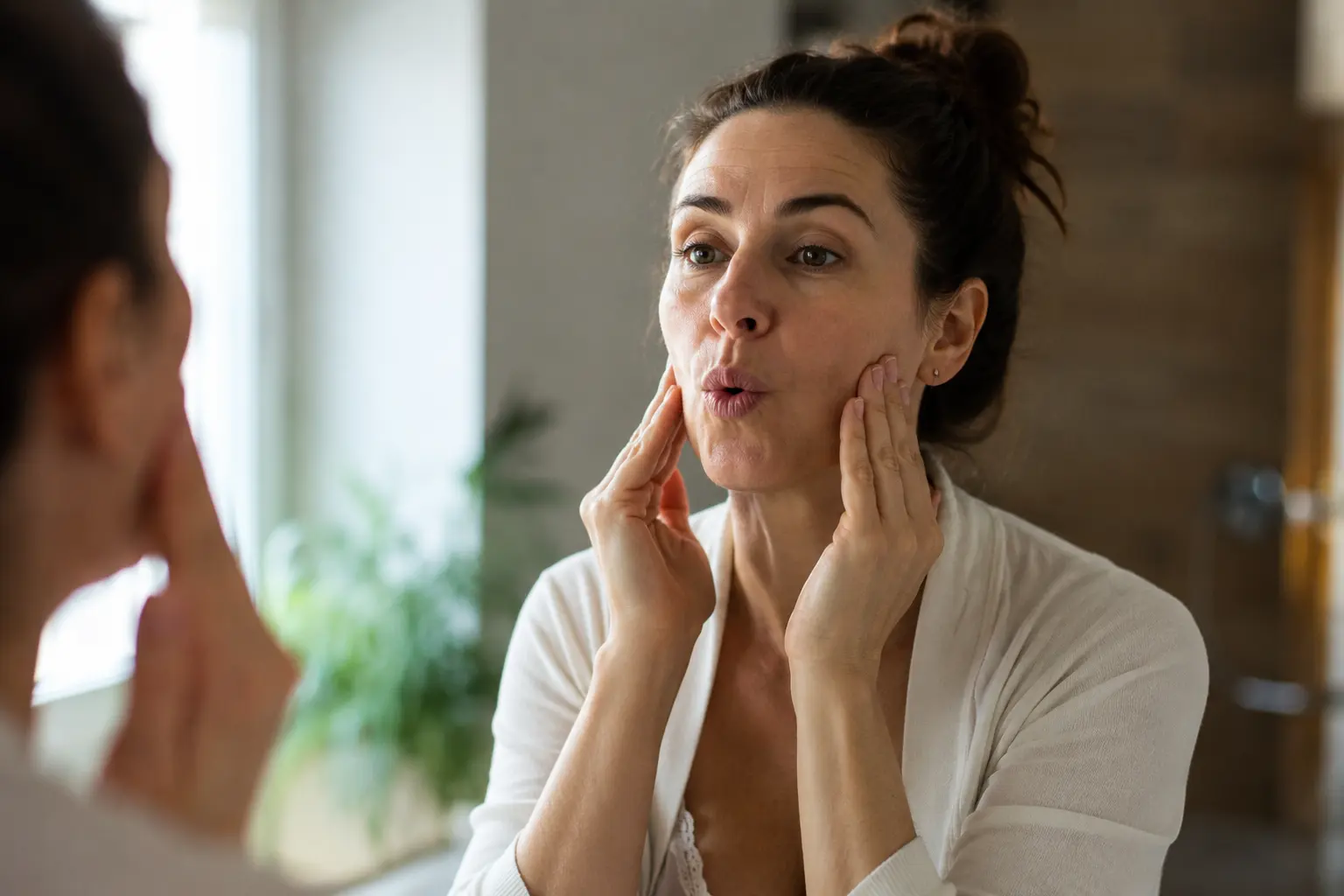
Tired of watching your skin break out, feel dull, or age faster than it should? Biohacking skin health means taking control of the biological processes that determine how your skin looks and feels, and the science shows you can actually do this starting today.
Understanding skin biohacking
Skin biohacking isn’t about expensive treatments or miracle products. It’s about understanding how your skin actually works at a biological level, then using that knowledge to make smarter choices. Your skin is constantly regenerating, responding to your diet, stress levels, sleep quality, and environmental factors. When you understand these connections, you stop guessing and start strategizing. Think of it like this: if you know that your skin barrier weakens under chronic stress because cortisol disrupts your immune response, you can prioritize stress management as a core strategy, not an afterthought. Young adults have a unique advantage because your skin’s regenerative capacity is still high, meaning interventions tend to work faster. By learning the biological processes that influence skin health now, you’re essentially investing in your skin’s future while still having maximum plasticity to work with.
Nutrition’s impact on skin health
What you eat directly influences your skin’s ability to repair itself and maintain its structure. Antioxidants like vitamin C and E neutralize free radicals that damage collagen and elastin. Omega-3 fatty acids from fish and flaxseeds support your skin’s lipid barrier, which keeps moisture in and irritants out. Zinc from nuts and seeds regulates sebum production and immune function in the skin. A practical example: if you’re dealing with persistent breakouts, adding more leafy greens and berries while reducing refined sugars can shift your skin’s inflammatory state within weeks. The mechanism is straightforward. High glycemic foods spike blood sugar, triggering insulin spikes that activate sebaceous glands and promote inflammation. Meanwhile, foods rich in polyphenols and minerals support collagen synthesis and protect against oxidative stress. Young adults often underestimate how quickly dietary changes show up in skin clarity and texture.
Key steps for skin biohacking
Hydration works by maintaining your skin’s moisture barrier and supporting cellular turnover. Drink enough water so your urine is pale, not dark. UV protection prevents DNA damage in skin cells that leads to premature aging and skin cancer risk. Use broad-spectrum sunscreen daily, even on cloudy days, because UVA rays penetrate clouds. A consistent skincare routine trains your skin to respond predictably. Start with a gentle cleanser that doesn’t strip your natural oils, follow with a targeted treatment if needed, then seal with a moisturizer appropriate for your skin type. The key is consistency over intensity. Many young adults jump between products looking for quick fixes, but your skin needs 4 to 6 weeks to adapt to a routine before you’ll see real results. Avoid common mistakes like over-exfoliating, which damages your barrier, or using too many active ingredients at once, which overwhelms your skin and causes irritation.
- Stay hydrated to maintain skin moisture and elasticity.
- Protect your skin from harmful UV rays with sunscreen and protective clothing.
- Establish a regular skincare routine with gentle cleansers and moisturizers.
🔬 Science-backed benefits in 2 minuteschoose where to begin:
Stress management and skin health
Chronic stress triggers a cascade of biological events that directly harm your skin. When you’re stressed, your body releases cortisol, which suppresses immune function in the skin and increases inflammation. This is why you might notice breakouts or flare-ups during stressful periods like exams or work deadlines. Stress also disrupts your skin barrier by reducing ceramides and other protective lipids. The result is increased transepidermal water loss, meaning your skin becomes drier and more reactive. Mindfulness practices like meditation or breathing exercises lower cortisol levels within minutes. Physical activity increases blood flow to your skin, delivering oxygen and nutrients while clearing metabolic waste. Sleep is equally critical because your skin enters repair mode at night, with increased cell turnover and collagen synthesis. A young adult getting only 5 hours of sleep will see visible differences in skin texture and clarity compared to someone sleeping 7 to 9 hours. These aren’t optional extras. They’re foundational to skin health.
The role of skincare products
Skincare ingredients work by targeting specific biological processes. Hyaluronic acid binds water molecules, plumping skin and improving hydration at a cellular level. Retinol increases cell turnover and stimulates collagen production by activating retinoid receptors in skin cells. Niacinamide strengthens your barrier, reduces sebum production, and has anti-inflammatory properties. The challenge for young adults is knowing which ingredients actually work versus which are marketing hype. Start with one active ingredient at a time so you can track how your skin responds. If you’re introducing retinol, begin with a low concentration once or twice weekly, gradually increasing frequency as your skin adapts. Always patch-test new products on a small area first. A common mistake is assuming that more products equals better results. In reality, a simple routine with proven ingredients often outperforms a complicated 10-step regimen. Consider consulting a dermatologist for personalized recommendations based on your specific skin type and concerns.
Understanding skin aging
Skin aging happens through multiple pathways: intrinsic aging driven by genetics and cellular senescence, and extrinsic aging caused by sun exposure, pollution, and lifestyle factors. You can’t change your genes, but you can significantly slow extrinsic aging. UV exposure causes photoaging, which accounts for about 80 percent of visible skin aging. This happens because UV radiation damages collagen and elastin fibers and triggers inflammation. Pollution particles settle on skin and generate free radicals. Dehydration accelerates fine lines. Poor sleep impairs your skin’s repair mechanisms. The good news for young adults is that prevention is far more effective than trying to reverse damage later. Someone who starts sun protection and maintains hydration at 25 will have noticeably better skin at 45 than someone who ignores these factors. Think of it as compound interest for your skin. Small consistent actions now create exponential benefits over decades.
Skin biohacking involves understanding the science behind skin health, optimizing nutrition, managing stress levels, and using skincare products to promote youthful skin naturally.
Can specific foods improve skin health?
Yes, foods rich in antioxidants, vitamins, and minerals can support skin regeneration, protect against oxidative stress, and maintain skin elasticity, promoting a healthy glow.
How can stress impact skin health?
Chronic stress can trigger skin conditions by disrupting the skin’s barrier function and immune response. Managing stress through mindfulness, exercise, and sleep is crucial for maintaining healthy skin.
Others also read:
Disclaimer: This article is for informational purposes only and is not a substitute for professional medical advice. Always consult a healthcare professional for personal guidance.
This article has been prepared and reviewed by the GlobalHealthBeacon editorial team and is based on current medical research and published scientific literature available in 2026. It provides structured, evidence-based information to support informed health decisions.
