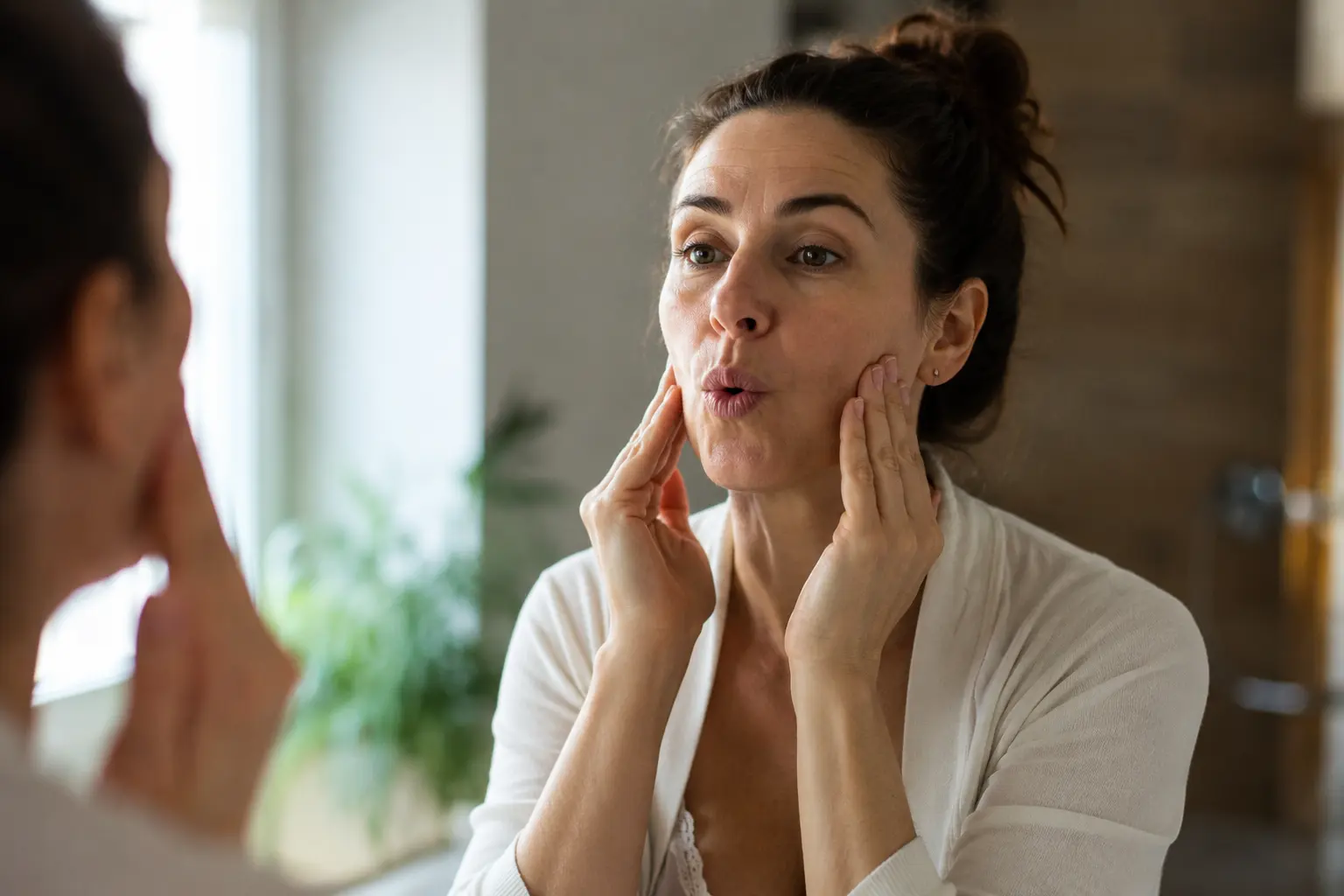
Tired of watching your skin lose that glow while everyone else seems to figure out the secret? Red light therapy is the biohacking skin health hack that’s backed by actual science, and it might be exactly what your routine has been missing.
Understanding the skin’s renewal process
Your skin is constantly working behind the scenes, shedding dead cells and generating fresh ones in a cycle that repeats roughly every 28 to 40 days. When you’re younger, this process happens like clockwork, which is why teenage skin tends to look radiant and bounce back quickly from damage. But as you age, this cellular turnover gradually slows down. Think of it like a factory that used to run three shifts and now runs only two. The result? Dead skin cells linger longer on the surface, collagen production dips, and you start noticing fine lines, uneven texture, and that dull, tired appearance that no amount of sleep seems to fix. This slowdown isn’t just cosmetic either. It affects how your skin responds to environmental stress, UV damage, and inflammation. Understanding this process is the first step in biohacking your skin health, because you’re not fighting against nature, you’re optimizing what’s already happening.
The role of red light therapy
Red light therapy works at the cellular level, specifically targeting your mitochondria, the powerhouses of your cells. When red and near-infrared light wavelengths (typically between 600 to 1000 nanometers) penetrate the skin, they stimulate the production of adenosine triphosphate, or ATP, which is essentially cellular fuel. More ATP means your fibroblasts, the cells responsible for producing collagen and elastin, can work harder and faster. Beyond energy production, red light therapy increases blood flow to the skin, delivering more oxygen and nutrients while flushing out metabolic waste. It also reduces inflammation at the cellular level, which is crucial because chronic inflammation accelerates aging. Some research suggests it may even boost your skin’s natural antioxidant defenses. The beauty of this mechanism is that it’s not forcing your skin to do something unnatural, it’s amplifying processes that already exist, just at a higher capacity.
How to incorporate red light therapy
Starting a red light therapy routine requires a bit of homework, but it’s straightforward once you understand the basics. First, you need to identify a reputable device. Not all red light therapy devices are created equal, and some are essentially expensive placebo machines. Look for devices that specify their wavelength range (ideally 600 to 1000 nanometers), power output measured in milliwatts per square centimeter, and clinical backing. Next, understand the treatment parameters for your specific device. Most quality devices recommend sessions of 10 to 20 minutes, three to five times per week, at a distance of 6 to 12 inches from your face. Starting conservatively is smart because your skin needs time to adapt. Many people make the mistake of cranking up intensity immediately, which can cause temporary redness or irritation. A better approach is to begin with two sessions per week at the recommended distance, then gradually increase frequency over two to three weeks. Keep a simple log of your sessions and note any changes in skin texture, firmness, or appearance. Consistency matters far more than intensity.
- Research reputable red light therapy devices with verified wavelength specifications and clinical backing.
- Follow manufacturer guidelines for treatment duration, frequency, and distance from your face.
- Start conservatively with two sessions per week and gradually increase to three to five sessions over several weeks.
- Keep a simple log of your sessions and observe changes in skin texture and appearance over time.
- Ensure you’re using protective eyewear if recommended and following all safety instructions.
🔬 Science-backed benefits in 2 minuteschoose where to begin:
Scientific evidence and skin health
The research on red light therapy for skin health is genuinely encouraging, though it’s important to be realistic about what the evidence shows. Multiple peer-reviewed studies have demonstrated improvements in collagen density, skin elasticity, and reduction in fine lines and wrinkles, particularly in middle-aged and older adults. A notable study published in the Journal of Cosmetic and Laser Therapy found that participants using red light therapy twice weekly showed significant improvements in skin texture and firmness after 12 weeks. Other research has shown benefits for acne-prone skin due to the anti-inflammatory effects, and some evidence suggests it may help with skin barrier function. However, the scientific community is clear about one thing: individual responses vary significantly. Factors like baseline skin condition, age, genetics, overall health, and even diet influence how well someone responds to red light therapy. Some people see noticeable changes within four to six weeks, while others need three to four months. The studies that show the best results typically involve consistent, long-term use rather than sporadic sessions.
Potential risks and considerations
Red light therapy is generally considered safe for most people, which is one reason it’s gained popularity. That said, it’s not completely risk-free, and understanding potential downsides helps you use it responsibly. The most commonly cited concern is eye damage, particularly with devices that emit strong near-infrared light that you can’t see. If your eyes are exposed to high-intensity near-infrared light without protection, it could theoretically cause retinal damage over time. This is why many manufacturers recommend protective eyewear, and it’s worth taking seriously. Some people report temporary side effects like mild redness, warmth, or slight irritation when starting treatment, usually because they’re using the device too intensely or too frequently. If you’re taking photosensitizing medications, such as certain antibiotics or anti-inflammatory drugs, you should consult your doctor first. People with thyroid conditions should also check with their healthcare provider, as some evidence suggests red light therapy might affect thyroid function in sensitive individuals. Finally, red light therapy isn’t a replacement for sunscreen or other proven skincare fundamentals.
Final thoughts on biohacking skin health
Red light therapy represents a fascinating intersection of biology and technology, offering a non-invasive way to potentially enhance skin health by working with your body’s natural processes rather than against them. The mechanism is sound, the research is promising, and the safety profile is generally favorable when used correctly. What makes it particularly appealing for young adults exploring biohacking is that it’s a tool you can actually control and measure. You’re not relying on expensive serums with questionable ingredients or invasive procedures with downtime. You’re literally giving your cells more energy to do what they’re already designed to do. That said, red light therapy works best as part of a comprehensive approach to skin health. Combine it with consistent sun protection, a solid skincare routine, adequate sleep, hydration, and a diet rich in antioxidants. Think of it as one powerful tool in your biohacking toolkit, not a magic solution. The most successful people using red light therapy are those who approach it with patience, consistency, and realistic expectations about what it can and cannot do.
Red light therapy offers a scientifically-grounded, non-invasive approach to potentially enhance skin health by stimulating cellular energy production and promoting collagen synthesis. While research supports its efficacy for improving skin texture, elasticity, and appearance, individual results vary based on factors like skin type, age, and consistency of use. Starting with a reputable device, following manufacturer guidelines, and maintaining realistic expectations are key. Consultation with a healthcare provider is recommended, especially if you’re taking photosensitizing medications or have underlying health conditions. Red light therapy works best as part of a comprehensive skincare and wellness strategy.
Is red light therapy effective for all skin types?
Red light therapy can benefit various skin types, including oily, dry, combination, and sensitive skin, though the degree of benefit may differ. People with oily or acne-prone skin often see anti-inflammatory benefits, while those with dry or mature skin may notice improved elasticity and hydration. However, individual responses depend on factors like baseline skin condition, genetics, and overall health. If you have sensitive skin or a specific skin condition like rosacea or eczema, consult a dermatologist before starting treatment to ensure it’s appropriate for your situation.
How soon can I expect to see results from red light therapy?
Results from red light therapy vary significantly among individuals. Some people report noticeable improvements in skin texture, firmness, and radiance after four to six weeks of consistent use, typically two to three sessions per week. Others may need eight to twelve weeks to see meaningful changes. The most important factors are consistency and patience. Skin cell turnover takes time, and collagen remodeling happens gradually. Keeping a simple photo log every two to four weeks can help you track subtle improvements you might otherwise miss. If you haven’t noticed any changes after three months of consistent use, it may be worth evaluating your device quality or consulting a dermatologist.
Others also read:
Disclaimer: This article is for informational purposes only and is not a substitute for professional medical advice. Always consult a healthcare professional for personal guidance.
This article has been prepared and reviewed by the GlobalHealthBeacon editorial team and is based on current medical research and published scientific literature available in 2026. It provides structured, evidence-based information to support informed health decisions.
