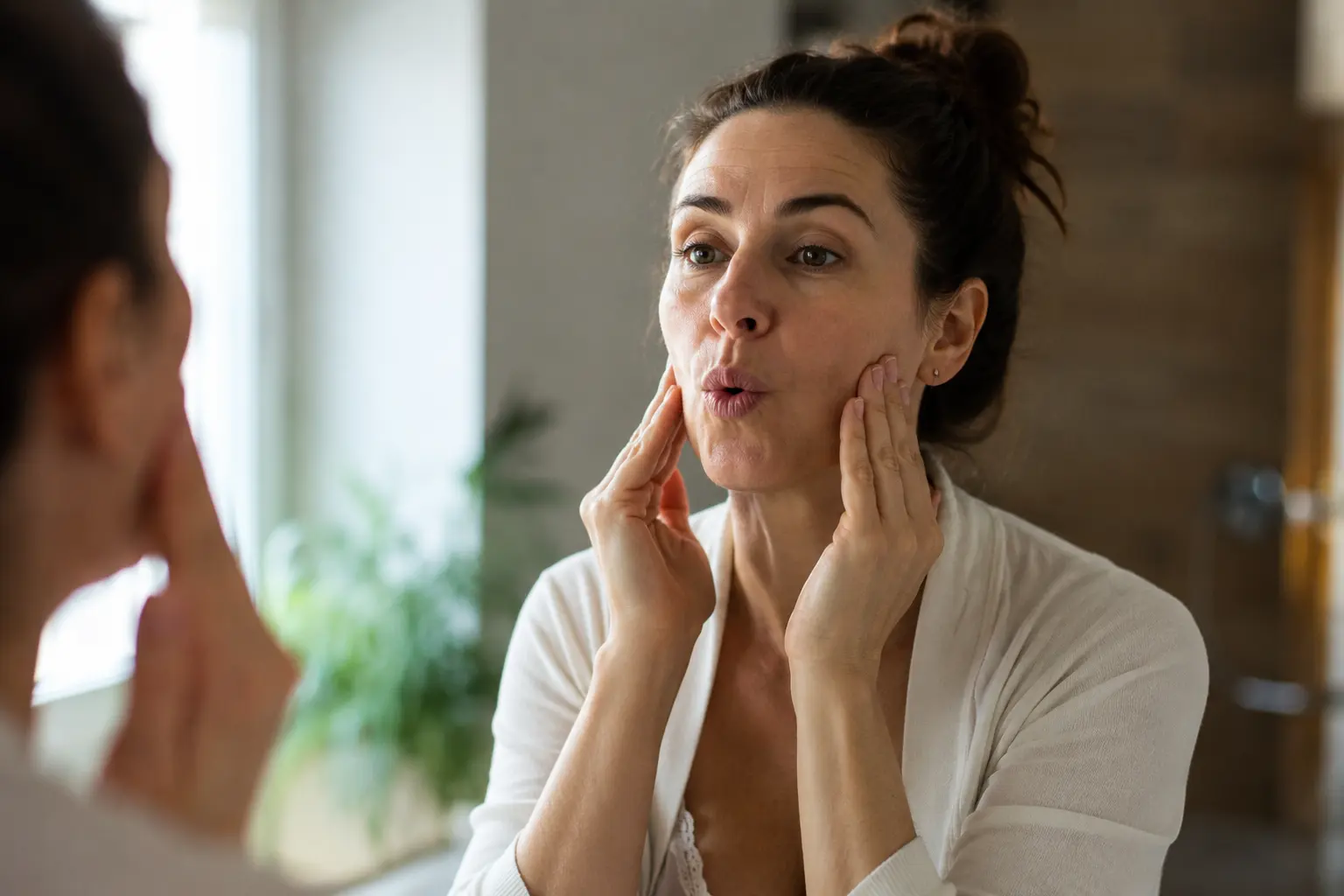
Your skin feels dull, reactive, and honestly exhausted, and you’re tired of expensive products that promise everything but deliver nothing, so let’s talk about biohacking skin health the way science actually backs it up.
Understanding skin biohacking
Skin biohacking represents a fundamental shift in how we think about skin health. Rather than chasing trends or relying solely on topical treatments, this approach examines the biological mechanisms that govern skin quality, resilience, and appearance. At its core, biohacking skin health means working with your body’s natural processes instead of against them. Your skin cells regenerate approximately every 28 days, collagen production declines with age and stress, and hydration levels fluctuate based on internal and external factors. When you understand these processes, you can strategically intervene. For example, a woman in her 40s might notice her skin feels increasingly dry and loses elasticity faster than before. This isn’t random; it reflects declining collagen synthesis and reduced water retention capacity. By targeting these specific mechanisms through nutrition, sleep optimization, and targeted skincare, you’re essentially giving your skin the conditions it needs to function optimally rather than simply masking problems.
Key factors in skin biohacking
The foundation of effective skin biohacking rests on several interconnected pillars that work synergistically. Antioxidant-rich foods combat free radical damage that accelerates aging, while consistent hydration supports the skin barrier’s ability to retain moisture and maintain elasticity. Sleep isn’t optional; during deep sleep, your body increases blood flow to the skin and rebuilds collagen. UV protection prevents cumulative DNA damage that leads to premature aging and skin cancer risk. Pollution exposure creates oxidative stress that degrades skin proteins. Research from dermatological journals consistently shows that women who address all these factors simultaneously see more dramatic improvements than those focusing on single interventions. Consider a typical scenario: a woman implements a solid skincare routine but continues sleeping only five hours nightly and skipping sunscreen. Her results plateau because she’s neglecting the internal and environmental factors that undermine her efforts. The synergy matters. When you combine proper nutrition, adequate sleep, hydration, sun protection, and pollution defense, you create an environment where your skin can genuinely thrive and repair itself more efficiently.
Effective skin biohacking strategies
Implementing practical skin biohacking requires a personalized approach because skin varies dramatically between individuals. Start by honestly assessing your skin type, primary concerns, and lifestyle constraints. A woman with oily, acne-prone skin needs different strategies than someone with dry, sensitive skin. Your skincare routine should include a gentle cleanser appropriate for your skin type, a targeted treatment addressing your specific concerns, and a broad-spectrum sunscreen daily. Nutrition plays an equally crucial role; anthocyanins in berries, omega-3 fatty acids in fish, and vitamin C in citrus fruits directly support collagen synthesis and protect against oxidative damage. Hydration isn’t just about drinking water, though that matters; it’s about supporting your skin barrier with appropriate moisturizers and limiting factors that increase transepidermal water loss like excessive hot showers or harsh products. A practical example: Sarah, 38, struggled with combination skin and fine lines. She customized her routine with a gentle cleanser, added a retinol product twice weekly, used a hydrating serum, and applied moisturizer plus sunscreen daily. Simultaneously, she increased her intake of colorful vegetables, started drinking 2 liters of water daily, and prioritized seven hours of sleep. Within three months, her skin texture improved noticeably, fine lines softened, and her skin felt more resilient.
- Assess your specific skin type and primary concerns, then select a cleanser, treatment, and moisturizer designed for your needs rather than following generic routines.
- Incorporate a variety of colorful produce daily, focusing on berries, leafy greens, orange vegetables, and fatty fish to provide antioxidants and nutrients your skin requires.
- Establish a consistent hydration practice by drinking adequate water throughout the day and using moisturizers that match your skin barrier’s needs and climate.
🔬 Science-backed benefits in 2 minuteschoose where to begin:
The role of stress in skin health
Chronic stress triggers a cascade of physiological changes that directly compromise skin health. When you’re stressed, your body releases cortisol, which increases inflammation, suppresses immune function, and accelerates collagen breakdown. This isn’t theoretical; you’ve probably noticed breakouts or increased sensitivity during stressful periods. Stress also disrupts sleep quality, which further impairs skin repair mechanisms. The skin barrier becomes compromised, allowing irritants to penetrate more easily and moisture to escape. Additionally, stress-induced inflammation can exacerbate conditions like rosacea, eczema, and acne. Managing stress becomes a critical component of skin biohacking. Women who practice mindfulness meditation, even for 10 minutes daily, show measurable reductions in inflammatory markers. Regular exercise increases endorphins, improves sleep quality, and enhances circulation to the skin. Adequate rest allows your body to complete its natural repair cycles. Consider this scenario: Jennifer noticed her skin deteriorated significantly during a demanding work project. She implemented a 15-minute daily walk, started a simple breathing practice before bed, and ensured eight hours of sleep. Within two weeks, her inflammation decreased, her skin barrier strengthened, and her complexion appeared noticeably calmer and more even-toned.
The importance of sun protection
UV radiation represents one of the most significant external threats to skin health, yet many women underestimate its cumulative impact. UVA rays penetrate deeply into the dermis, damaging collagen and elastin fibers that maintain skin structure and elasticity. UVB rays damage the epidermis and increase melanoma risk. This damage accumulates over decades, resulting in premature aging, pigmentation irregularities, and increased cancer risk. Daily sunscreen use isn’t vanity; it’s evidence-based prevention. Broad-spectrum SPF 30 or higher protects against both UVA and UVB radiation. However, sunscreen alone isn’t sufficient. Seeking shade during peak UV hours (10 AM to 4 PM), wearing protective clothing, hats, and sunglasses provides additional defense. A practical example: Maria, 45, had spent decades in the sun without consistent protection. She noticed significant sun damage, including deep wrinkles, age spots, and rough texture on her face and hands. She implemented daily broad-spectrum SPF 50, started wearing a wide-brimmed hat during outdoor activities, and sought shade when possible. Combined with other biohacking strategies, her skin texture gradually improved, and further damage was prevented. The key insight is that sun protection is preventive; it stops damage from occurring rather than reversing existing damage.
Exercise and skin health
Regular physical activity fundamentally enhances skin health through multiple biological mechanisms. Exercise increases heart rate and blood flow, delivering oxygen and nutrients more efficiently to skin cells while simultaneously removing metabolic waste products. This improved circulation supports collagen production and accelerates cellular turnover. Sweating during exercise helps clear pores and promotes detoxification, though proper cleansing afterward prevents bacterial overgrowth. Exercise also regulates hormones, reduces cortisol levels, improves sleep quality, and enhances mood, all of which directly benefit skin. The type of exercise matters less than consistency; whether you prefer walking, swimming, yoga, or strength training, regular movement supports skin biohacking. A practical scenario: Lisa, 42, felt sluggish and noticed her skin looked dull and congested. She started with three 30-minute walks weekly, gradually increasing to five days. Within four weeks, her skin appeared brighter, more hydrated, and more even-toned. Her energy improved, her sleep deepened, and her overall sense of wellbeing increased. She then added two strength training sessions weekly, which further enhanced her results. The combination of consistent aerobic activity and resistance training created optimal conditions for her skin to thrive while supporting her overall health.
Skin biohacking for women integrates multiple evidence-based strategies that work synergistically to optimize skin health and appearance. This approach combines personalized skincare routines tailored to your specific skin type and concerns, a nutrient-dense diet rich in antioxidants and healthy fats, consistent hydration, effective stress management through mindfulness and exercise, daily sun protection, and regular physical activity. Rather than pursuing quick fixes or expensive treatments, skin biohacking acknowledges that your skin reflects your overall health, lifestyle, and internal environment. By addressing these factors comprehensively, you support your skin’s natural repair and regeneration processes, leading to improved quality, resilience, and appearance over time.
Can skin biohacking reverse aging?
Skin biohacking cannot reverse the natural aging process or turn back time, but it can significantly slow premature aging caused by environmental damage, poor lifestyle choices, and neglect. By optimizing collagen production, supporting skin barrier function, and reducing inflammation, you can improve skin texture, firmness, and appearance. Many women report that consistent biohacking practices make their skin look years younger than it would have without intervention, though this reflects prevention and optimization rather than true reversal.
Is it necessary to consult a dermatologist before skin biohacking?
Consulting a dermatologist can provide personalized recommendations, especially if you have specific skin conditions like severe acne, rosacea, or eczema. However, foundational skin biohacking practices like appropriate cleansing, hydration, sun protection, proper nutrition, sleep, stress management, and exercise can be safely implemented by most individuals without professional guidance. If you’re introducing new products or have concerns about your skin, consulting a dermatologist ensures your approach addresses your unique needs and prevents potential complications.
Others also read:
Disclaimer: This article is for informational purposes only and is not a substitute for professional medical advice. Always consult a healthcare professional for personal guidance.
This article has been prepared and reviewed by the GlobalHealthBeacon editorial team and is based on current medical research and published scientific literature available in 2026. It provides structured, evidence-based information to support informed health decisions.
