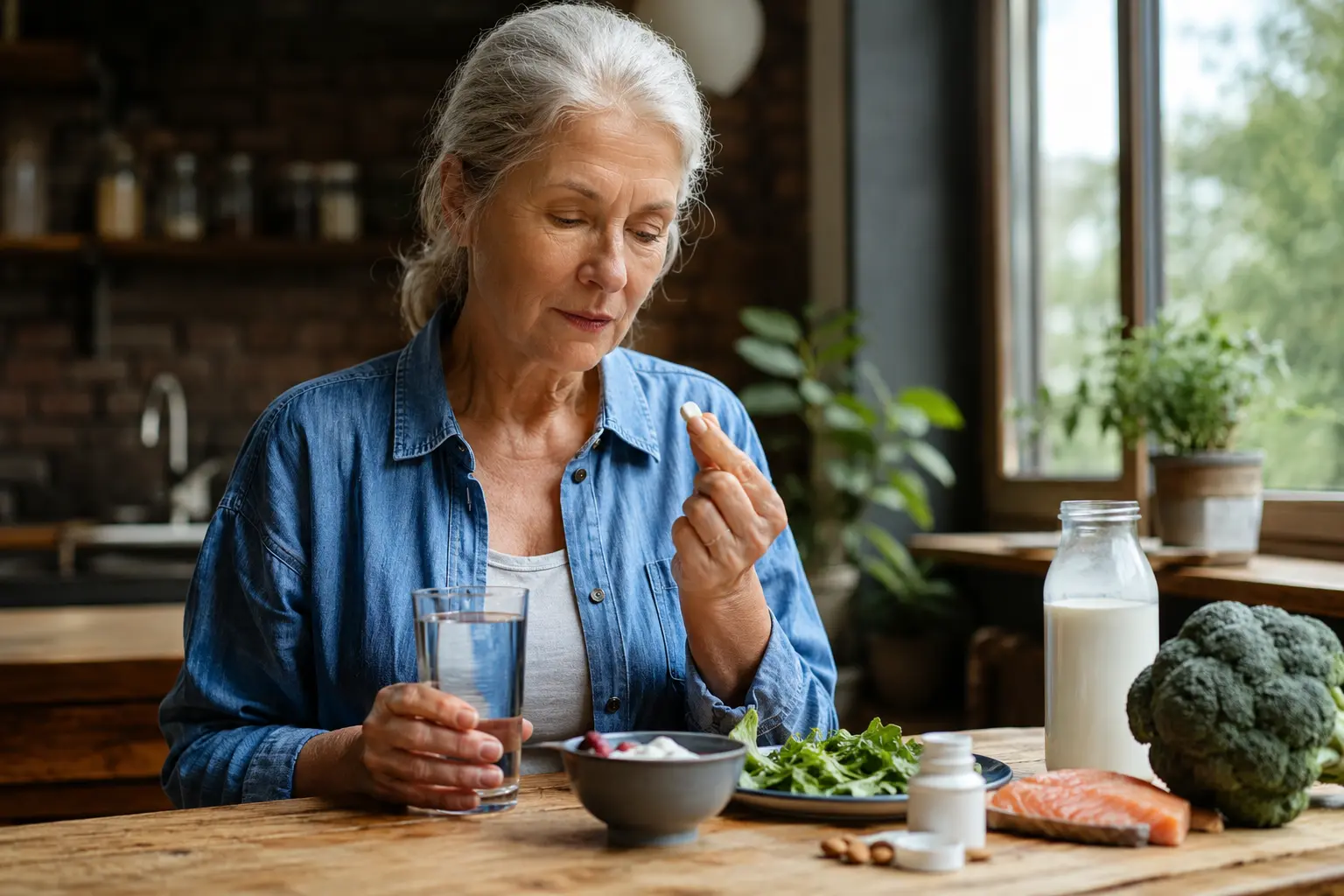
I was climbing stairs and felt my knees scream, my lower back ached constantly, and I realized my bones were literally falling apart from the inside out, which is why I had to dig deep into calcium vitamin d bone health and figure out if this duo could actually save me.
The importance of calcium for strong bones
I remember my mom mentioning osteoporosis like it was inevitable, something that just happened to women our age. But calcium is genuinely the building block your skeleton needs to stay strong and resilient. Think of it like this: your bones are constantly breaking down and rebuilding themselves, and without enough calcium, that rebuilding process falls short. I started noticing the difference when I added more calcium-rich foods to my routine. Dairy products like yogurt and cheese became my go-to snacks, but I also discovered leafy greens, almonds, and fortified plant-based options. The real eye-opener was learning that calcium does more than just strengthen bones; it also supports your muscles, helps your heart beat properly, and keeps your nerves firing correctly. Women especially need to pay attention to this because hormonal shifts can accelerate bone loss. When I tracked my intake for a week, I realized I was falling short of my daily target, which explained some of the aches I’d been dismissing.
- Calcium aids in the development and maintenance of strong bones.
- It is crucial for muscle function and nerve transmission.
- Daily intake recommendations vary based on age and gender.
Vitamin D: enhancing calcium absorption
Here’s the thing nobody told me: you can consume all the calcium in the world, but without vitamin D, your body literally cannot absorb it properly. Vitamin D acts like a gatekeeper, allowing calcium to move from your digestive system into your bloodstream and then into your bones. I started spending more time outside, and honestly, it felt like a game-changer. Just 15 to 30 minutes of midday sun exposure several times a week can boost your vitamin D levels significantly. But let’s be real: depending on where you live, the season, and your skin tone, sunlight alone might not cut it. That’s where food sources come in. Fatty fish like salmon and mackerel became my new favorites, and I started buying fortified milk and orange juice. I also experimented with egg yolks and mushrooms exposed to sunlight. The combination of calcium and vitamin D working together felt like finally giving my body the tools it actually needed to function properly.
💬 Ready to feel better in 2 minutes?choose where to begin:
The impact on women’s health
Women face a unique vulnerability when it comes to bone health, and I wish someone had explained this to me earlier. Our estrogen levels naturally drop during perimenopause and menopause, and estrogen plays a protective role in maintaining bone density. This is why fractures become more common as we age, and why a simple fall can sometimes result in a serious break. I watched my grandmother struggle with a hip fracture at 68, and it completely changed her independence and quality of life. That moment made me realize I needed to take action now, not later. Incorporating calcium and vitamin D into my daily routine felt like an investment in my future self. Women in their 40s and 50s especially benefit from prioritizing these nutrients because this is when bone loss accelerates most rapidly. I started thinking of it less as a supplement routine and more as preventive medicine, something I was doing to protect myself from future pain and limitation.
Balancing act: finding the right mix
The tricky part nobody mentions is that more is not always better, and I learned this the hard way. When I first started supplementing, I went overboard with calcium pills, thinking I was doing myself a favor. Turns out, excessive calcium from supplements can increase kidney stone risk, especially if you’re not drinking enough water. Similarly, vitamin D toxicity is rare but possible if you’re taking massive doses without monitoring. I realized I needed to find my personal sweet spot, which meant having an actual conversation with my doctor about my specific needs. Factors like my age, family history, current diet, and lifestyle all played a role. Some days I got plenty of calcium from food, so I didn’t need a supplement. Other days, I added a moderate dose. The key was consistency and balance, not perfection. I also learned that timing matters: taking calcium with food helps absorption, and vitamin D is fat-soluble, so it works best with a meal containing healthy fats.
Ensuring adequate calcium intake and optimizing vitamin D levels is crucial for maintaining strong and healthy bones. Women, especially, benefit from this dynamic duo in reducing the risk of bone-related conditions like osteoporosis. Balancing the right mix is key to reaping the full benefits without adverse effects.
How much calcium should women consume daily?
The recommended daily intake of calcium for women varies by age and life stage. Generally, adult women need around 1000-1300mg of calcium per day, obtained from food sources and supplements.
Is it better to get calcium and vitamin D from food or supplements?
Ideally, a balanced diet rich in calcium and vitamin D from natural food sources like dairy products, fish, and sunlight exposure is preferred. Supplements can be used to fill gaps when dietary intake is insufficient.
Others also read:
Disclaimer: This article is for informational purposes only and is not a substitute for professional medical advice. Always consult a healthcare professional for personal guidance.
This article presents an experience-based perspective and has been reviewed by the GlobalHealthBeacon editorial team in 2026. It provides structured, evidence-based information to support informed health decisions.
