You’re exhausted, scrolling through your phone at midnight again, feeling like you’re drowning in obligations while everyone else seems to have it figured out, and slow living health benefits might actually be the antidote you’ve been desperately searching for.
Mindfulness in everyday moments
I used to rush through my mornings like I was being chased. Coffee in hand, checking emails before my feet hit the floor, already mentally three steps ahead of where my body actually was. Then I started noticing something: the moments I slowed down, even just for five minutes, felt like oxygen. Slow living isn’t about becoming someone who meditates for two hours or abandons ambition. It’s about reclaiming the small pockets of your day where you actually get to breathe. When you practice mindfulness in your daily routines, you’re not adding another task to your list. You’re subtracting the mental noise. That coffee becomes a ritual instead of a pit stop. A walk becomes a conversation with yourself instead of cardio with a phone attached to your ear. Women especially feel the weight of constant mental load, juggling work, relationships, and expectations. Mindfulness gives you permission to pause and notice what’s actually happening right now, not what should be happening next.
- Enhances mental well-being through heightened awareness
- Reduces stress and enhances relaxation
- Encourages gratitude and appreciation for the simple things in life
Nourishing your body with intention
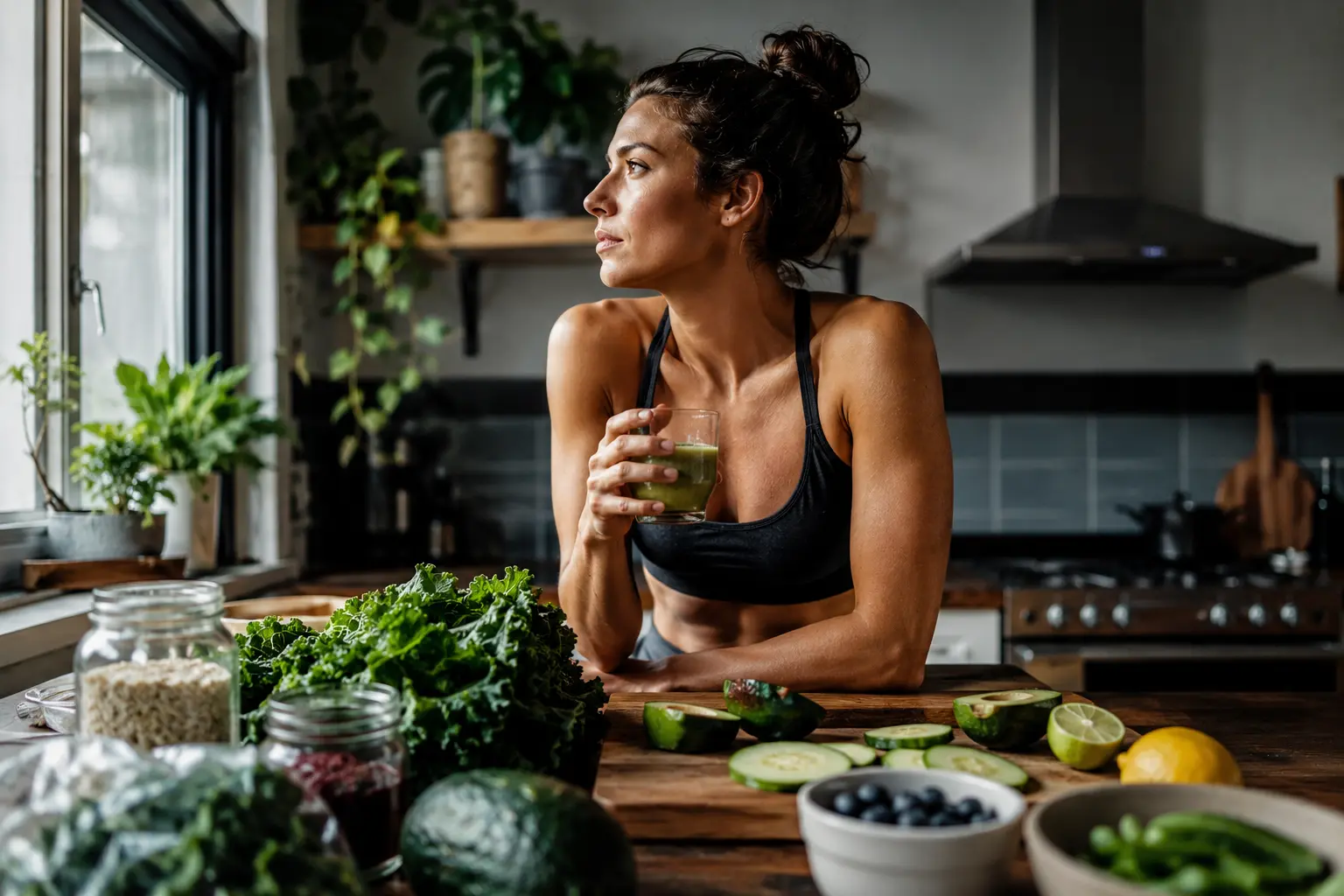
There was a time when I’d eat lunch at my desk, barely tasting it, wondering why I felt empty even after finishing my meal. Slow living changed how I approach food entirely. It’s not about restrictive diets or perfect nutrition. It’s about eating like you actually deserve to enjoy it. When you nourish your body with intention, you’re making a choice to slow down and pay attention to what goes in. Maybe that looks like cooking a simple dinner instead of ordering takeout for the third time this week, or sitting at a table instead of eating standing up in your kitchen. Real slow living means noticing flavors, chewing slowly, and actually feeling satisfied instead of just full. Women often put everyone else’s needs first, including their families’ meals, and forget to feed themselves properly. Intentional eating is an act of self-respect. It improves digestion because your body isn’t in fight-or-flight mode. It promotes better energy throughout the day. And honestly, it makes you feel less guilty and more connected to what you’re putting into your body.
💬 Ready to feel better in 2 minutes?choose where to begin:
Cultivating inner harmony through self-care
Self-care gets thrown around like it’s a spa day or face mask, but real self-care is quieter than that. It’s the moment you decide to take a bath instead of scrolling, or journal for ten minutes before bed instead of watching one more episode. I started small, just fifteen minutes a day dedicated to something that felt nourishing rather than productive. Meditation didn’t work for me at first, so I journaled. Some days it was just listing what I was grateful for. Other days it was venting about frustrations I didn’t have space to process. That act of carving out time for yourself sends a powerful message to your nervous system: you matter. Your well-being matters. For women who are conditioned to be caretakers and people-pleasers, this is revolutionary. Self-care practices like these aren’t selfish. They’re the foundation for showing up authentically in every other area of your life. When you reconnect with yourself through these moments, emotional healing happens naturally. You start recognizing your own needs instead of ignoring them.
Embracing the joy of missing out
FOMO is real, but JOMO, the joy of missing out, is even more real. I spent years saying yes to every invitation, every opportunity, every notification. My phone was a constant companion, my calendar was packed, and I was exhausted. Slow living invited me to do something radical: say no without guilt. Disconnecting from technology doesn’t mean becoming a hermit. It means setting boundaries. Maybe you silence notifications after 6 PM, or have phone-free dinners, or commit to one weekend day without checking social media. Decluttering your environment, both physically and digitally, creates actual space in your life. And that space is where contentment lives. When you prioritize meaningful connections over endless networking, quality over quantity, presence over performance, something shifts. Women often feel pressure to be available, responsive, and constantly engaged. Embracing JOMO means rejecting that. It means choosing the deep conversation with one friend over attending five events. It means letting go of the belief that you’re missing something important, because what you’re actually gaining is your own life back.
Explore the transformative power of slow living as a woman. From practicing mindfulness in everyday moments to nourishing your body with intention and cultivating inner harmony through self-care, discover how embracing this lifestyle can enhance your health and well-being. Embrace the joy of missing out and reconnect with what truly matters in life.
How can slow living improve my mental well-being?
Slow living encourages mindfulness in everyday moments, reducing stress and enhancing mental clarity. By savoring each moment and practicing gratitude, you can strengthen your mental well-being.
What are some practical ways to incorporate slow living into my daily routine?
Start by prioritizing mindfulness in your daily activities, nourishing your body with whole foods, and dedicating time to self-care practices like meditation or journaling. Disconnect from technology and embrace meaningful connections to cultivate a sense of inner peace.
Others also read:
Disclaimer: This article is for informational purposes only and is not a substitute for professional medical advice. Always consult a healthcare professional for personal guidance.
This article presents an experience-based perspective and has been reviewed by the GlobalHealthBeacon editorial team in 2026. It provides structured, evidence-based information to support informed health decisions.
