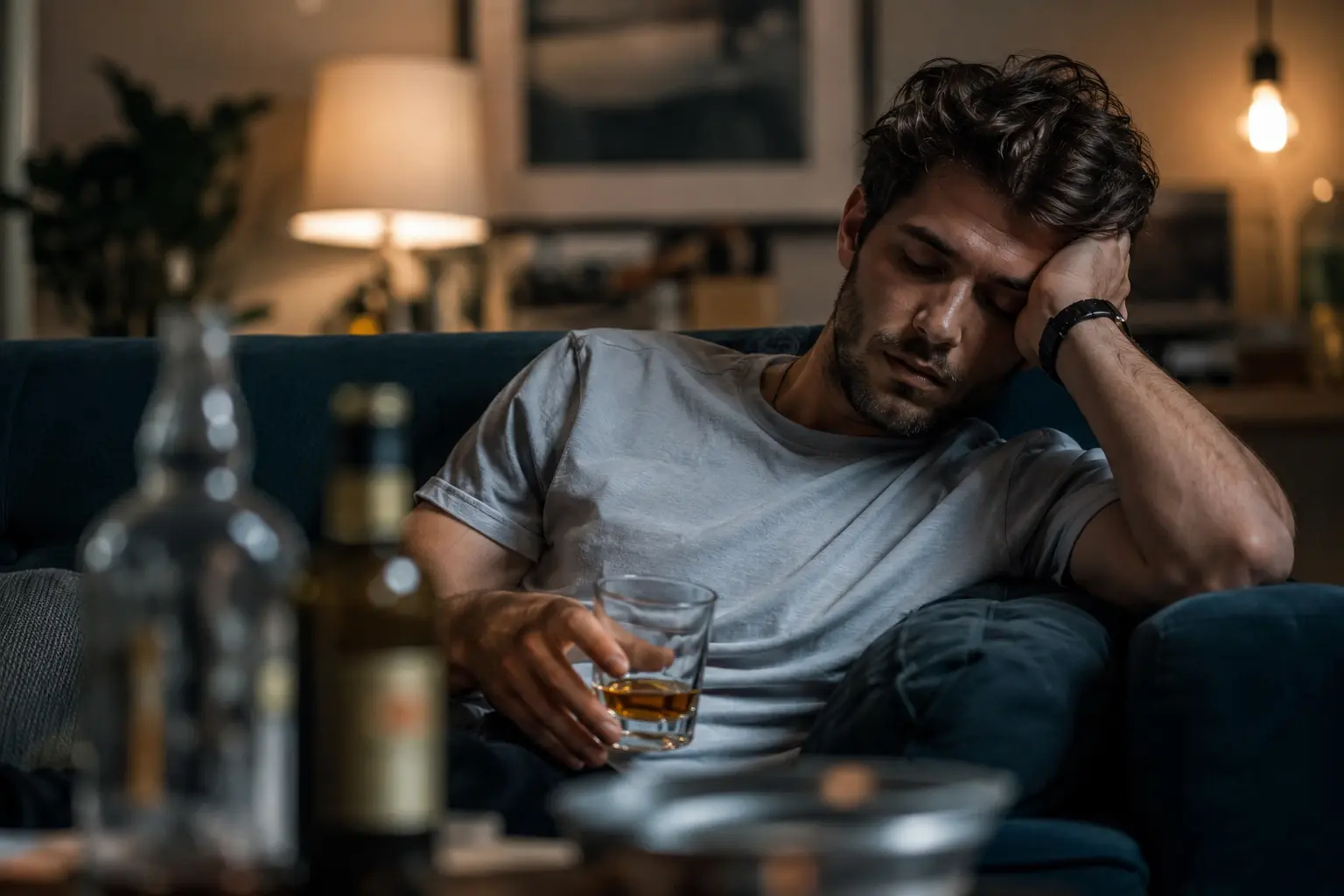
You’re three drinks in at a Friday night hangout, suddenly your eyelids feel heavy, and you’re fighting the urge to pass out while everyone else is still going strong, so let’s break down exactly why alcohol makes you sleepy and why it hits different every time.
The science behind alcohol and sleepiness
Here’s what actually happens in your body when alcohol enters your system. Alcohol is a central nervous system depressant, meaning it literally slows down your brain’s activity and messaging between neurons. When you drink, alcohol binds to receptors in your brain that regulate wakefulness and sleep, essentially telling your body it’s time to wind down. Think of it like dimming the lights in your brain. Within minutes, you feel that wave of relaxation wash over you. But here’s where it gets tricky: while alcohol might make you feel drowsy initially, it actually disrupts your sleep architecture once you’re out. Your brain doesn’t get the deep, restorative sleep it needs because alcohol suppresses REM sleep, the stage where dreams happen and your mind processes emotions and memories. The more you drink, the more aggressive this disruption becomes, leaving you feeling foggy and exhausted the next day.
- Alcohol affects the neurotransmitters in the brain responsible for regulating sleep.
- It reduces the amount of REM (rapid eye movement) sleep, leading to poor sleep quality.
- The more you drink, the greater the disruption to your sleep pattern.
The rollercoaster of energy levels
Picture this: you start your night feeling energized and social. The first couple of drinks hit, and suddenly you’re the most relaxed version of yourself, chatting easily and feeling loose. That’s the depressant effect kicking in, making anxiety melt away and social inhibitions drop. But then comes the crash. A few hours later, your body is working overtime to metabolize the alcohol, your blood sugar dips, and dehydration sets in. You go from feeling like the life of the party to barely keeping your eyes open. The next morning, you wake up exhausted even though you slept for eight hours. This energy rollercoaster isn’t just in your head. Your body is genuinely working harder than normal to process the alcohol, which drains your energy reserves. Young adults often mistake this for just being tired, but it’s actually a combination of poor sleep quality, dehydration, and metabolic stress all happening at once.
💬 Ready to feel better in 2 minutes?choose where to begin:
Impact on daily activities
The sleepiness from drinking doesn’t just disappear when you wake up. Imagine trying to focus in a morning class or work meeting after a night out. Your brain feels foggy, concentration is nearly impossible, and you’re running on fumes. That presentation you needed to nail? Suddenly harder. The gym session you planned? Probably not happening. Even socializing feels exhausting because your body is depleted. For young adults juggling classes, work, or other responsibilities, alcohol-induced drowsiness can create a domino effect. One night of poor sleep quality spirals into a week of struggling to stay on top of things. Your motivation tanks, your mood dips, and you might reach for more caffeine or energy drinks to compensate, which only creates another cycle of disrupted sleep later that night. The impact extends beyond just feeling tired, affecting your productivity, mental clarity, and overall ability to show up as your best self.
Managing alcohol-induced sleepiness
If you’re going to drink, there are concrete steps you can take to minimize the sleepiness and next-day fog. Start by setting a limit before you go out, not when you’re already a few drinks in. Pace yourself by alternating alcoholic drinks with water or non-alcoholic beverages. This slows your alcohol absorption and keeps you hydrated, which directly combats the dehydrating effects that contribute to fatigue. Eat something substantial before drinking, ideally with protein and healthy fats, which slow alcohol absorption and stabilize your blood sugar. During your night out, try to avoid sugary mixers that spike your blood sugar and cause crashes. If you do drink, aim to finish drinking a few hours before bed so your body has time to process the alcohol before sleep. Finally, prioritize sleep quality by keeping your bedroom cool and dark, and avoid using your phone right before bed. The goal isn’t to eliminate sleepiness entirely, but to reduce the intensity and help your body recover faster.
Alcohol’s ability to make you sleepy stems from its depressant effects on the brain, disrupting sleep patterns and causing fatigue. The rollercoaster of energy levels and impact on daily activities highlight the need for moderation and self-care when consuming alcohol.
Does alcohol make everyone sleepy?
While alcohol has sedative effects on most people, individual responses can vary. Factors like tolerance levels, body weight, and overall health can influence how alcohol affects sleepiness.
Can drinking more water help combat alcohol-induced sleepiness?
Staying hydrated can help counteract the dehydrating effects of alcohol, but it may not fully eliminate the sleepiness caused by alcohol consumption. Moderation and proper rest remain key factors in managing alcohol-induced drowsiness.
Others also read:
Disclaimer: This article is for informational purposes only and is not a substitute for professional medical advice. Always consult a healthcare professional for personal guidance.
This article presents an experience-based perspective and has been reviewed by the GlobalHealthBeacon editorial team in 2026. It provides structured, evidence-based information to support informed health decisions.
