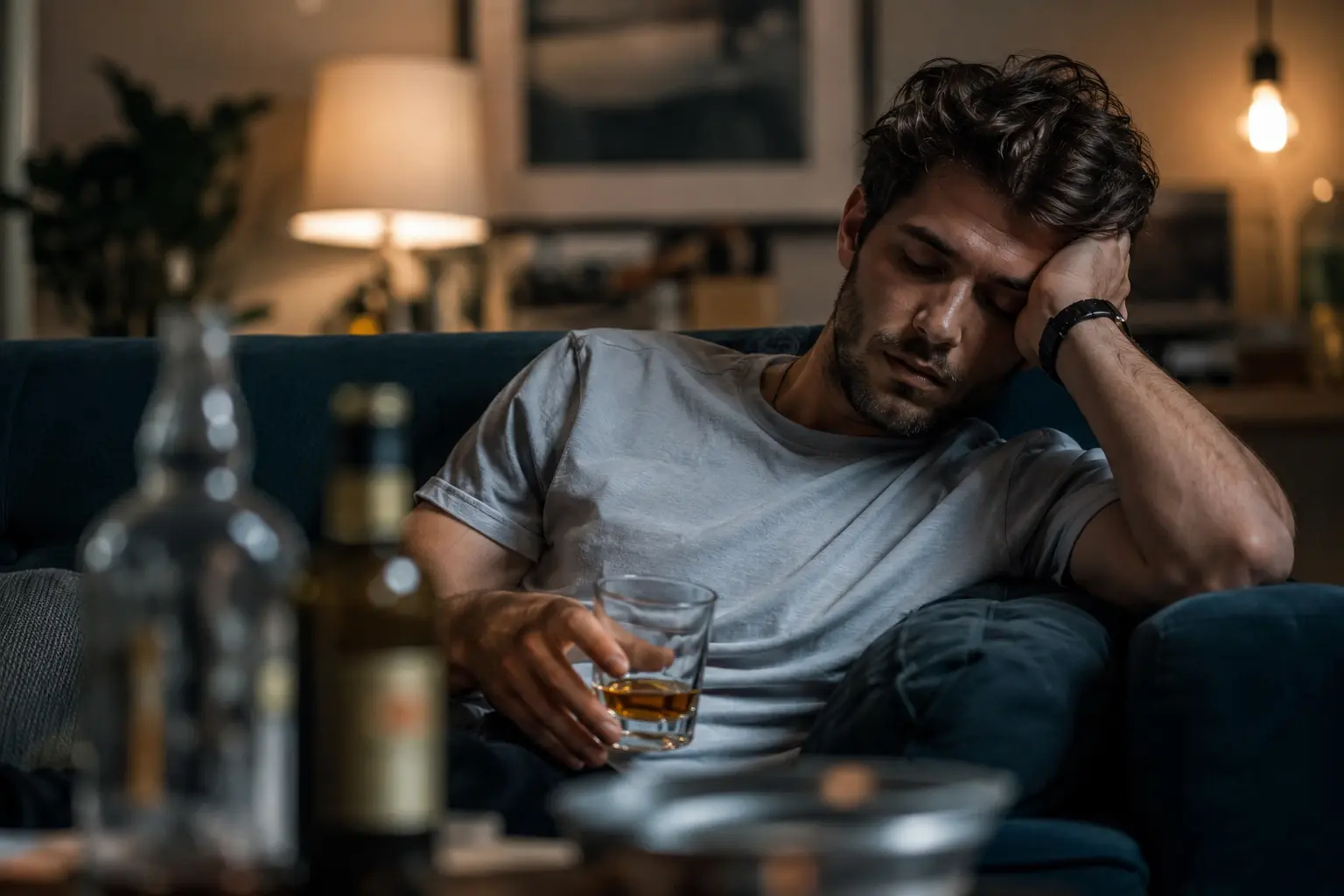
You reach for that nightcap thinking it’ll help you drift off, but instead you’re waking up at 3 AM wide awake, groggy, and frustrated – and understanding why alcohol makes you sleepy is the key to finally breaking this exhausting cycle.
The link between alcohol consumption and sleep
Alcohol’s sedative effect feels immediate and powerful. You drink a glass of wine or beer, and within minutes, your eyelids grow heavy. This happens because alcohol acts on your brain’s neurotransmitters, particularly GABA, which promotes relaxation and drowsiness. For many seniors, this initial sensation feels like a solution to their sleep struggles. However, what happens next tells a completely different story. While you may fall asleep 10 to 15 minutes faster than usual, your sleep quality deteriorates significantly once you’re under. Alcohol fundamentally disrupts the architecture of your sleep, fragmenting the natural cycles your body needs for restoration. Think of it like this: you’re getting the appearance of sleep without the actual benefits. Your brain cycles through sleep stages in a specific pattern, and alcohol throws that rhythm into chaos. The deeper you sleep initially, the more violent the rebound effect becomes later in the night.
- Alcohol suppresses REM sleep, the phase crucial for memory consolidation and cognitive function.
- It can worsen sleep apnea, a common condition in seniors, leading to further sleep disruptions.
- Alcohol is a diuretic, causing frequent trips to the bathroom during the night, disrupting your rest.
How alcohol affects sleep architecture
Sleep architecture refers to the structure and organization of your sleep cycles throughout the night. A healthy night involves moving through light sleep, deep sleep, and REM sleep in predictable waves, each lasting roughly 90 minutes. Alcohol disrupts this progression in several ways. First, it suppresses REM sleep, the stage where your brain processes emotions, consolidates memories, and maintains cognitive sharpness. Seniors who drink regularly report feeling mentally foggy the next day, and this is directly tied to lost REM sleep. Second, alcohol causes your sleep to become fragmented. You may wake multiple times without remembering it, which prevents you from achieving the deep, restorative sleep your aging body requires. Third, as alcohol metabolizes in your body, it creates a rebound effect. Your nervous system becomes overstimulated in the second half of the night, causing you to wake and struggle to fall back asleep. Many seniors describe this as feeling like they slept for only a few hours, even if they were in bed for eight. This fragmentation accumulates over time, leaving you feeling perpetually exhausted.
📘 Fix your day in under 2 minuteschoose where to begin:
Alcohol and age-related sleep changes
Your sleep naturally changes as you age. Most seniors experience lighter, more fragmented sleep patterns than they did in their 30s and 40s. This is partly due to changes in melatonin production, shifts in circadian rhythms, and increased sensitivity to environmental disruptions like noise or temperature. Your body also spends less time in deep, restorative sleep stages. When you add alcohol to this already vulnerable sleep system, the effects compound dramatically. Imagine your aging sleep as a delicate structure that’s already weakened. Alcohol acts like a wrecking ball. A drink that might have had minimal impact on your sleep at 45 can devastate your sleep quality at 70. Many seniors find themselves in a frustrating cycle: they can’t sleep well naturally, so they turn to alcohol for help, only to discover their sleep becomes even worse. This often leads to increased alcohol consumption in hopes of achieving better results, creating a dependency that further erodes sleep quality. The cognitive effects are particularly concerning. Seniors who regularly use alcohol as a sleep aid often experience increased forgetfulness, difficulty concentrating, and mood changes the next day.
Tips for improving senior sleep without alcohol
Reclaiming quality sleep without alcohol requires a structured approach. Start by establishing a consistent bedtime routine at least 30 minutes before sleep. This might include dimming lights, reading, or listening to calm music. Your body’s circadian rhythm responds to consistency, so going to bed and waking at the same time daily strengthens your natural sleep signals. Next, optimize your sleep environment. Your bedroom should be cool (around 65 to 68 degrees Fahrenheit), dark, and quiet. Consider blackout curtains, a white noise machine, or earplugs if needed. Seniors often overlook this, but environmental quality directly impacts sleep depth. Third, examine your daytime habits. Regular physical activity, even a 20-minute walk, improves sleep quality significantly. However, avoid vigorous exercise within three hours of bedtime. Similarly, limit caffeine after 2 PM and avoid large meals close to bedtime. Relaxation techniques like progressive muscle relaxation, guided meditation, or gentle yoga calm your nervous system and prepare your body for sleep. Many seniors find apps or YouTube videos helpful for guided sessions. Finally, if sleep problems persist after two to three weeks of these changes, consult your doctor. Sleep disorders like sleep apnea or restless leg syndrome are treatable, and a healthcare provider can rule out underlying conditions or medication side effects affecting your sleep.
Seeking professional help for sleep concerns
If you’ve tried lifestyle changes and still struggle with sleep, or if you’re concerned about your alcohol use and its impact on rest, professional guidance becomes essential. A sleep medicine specialist can conduct a thorough evaluation, which may include a sleep study to measure your sleep patterns, oxygen levels, and any breathing disruptions. This objective data reveals what’s actually happening during your sleep, not just how you feel. Many seniors are surprised to discover they have undiagnosed sleep apnea or periodic limb movements, conditions that alcohol worsens but that have specific treatments. Your primary care doctor is also a good starting point. They can review your medications, as many common drugs for blood pressure, anxiety, or other conditions affect sleep. They can also screen for depression and anxiety, which frequently disrupt sleep in older adults. Be honest about your alcohol consumption. Healthcare providers aren’t there to judge; they’re there to help. If you’re using alcohol as a sleep aid, tell them. They can suggest alternatives, including short-term sleep medications if appropriate, or refer you to a sleep specialist. Some seniors benefit from cognitive behavioral therapy for insomnia, a structured program that addresses the thoughts and behaviors perpetuating sleep problems. This approach has strong evidence and often produces lasting improvements without medication.
Alcohol may initially make seniors feel sleepy, but it can disrupt sleep architecture, worsen sleep conditions, and lead to fragmented rest. Understanding the complexities of alcohol’s effects on sleep and implementing alternative strategies is crucial for improving senior sleep quality.
Does alcohol improve sleep quality for seniors?
While alcohol may induce sleepiness, it can disrupt sleep architecture and exacerbate sleep issues for seniors in the long run. It is not a reliable solution for improving sleep quality.
How can seniors promote better sleep without alcohol?
Seniors can enhance their sleep quality by establishing a relaxing bedtime routine, optimizing their sleep environment, and exploring relaxation techniques like meditation. Consulting a healthcare provider for personalized advice is advisable.
Others also read:
Disclaimer: This article is for informational purposes only and is not a substitute for professional medical advice. Always consult a healthcare professional for personal guidance.
This guide has been prepared and reviewed by the GlobalHealthBeacon editorial team and reflects current medical research as of 2026. It provides structured, evidence-based information to support informed health decisions.
