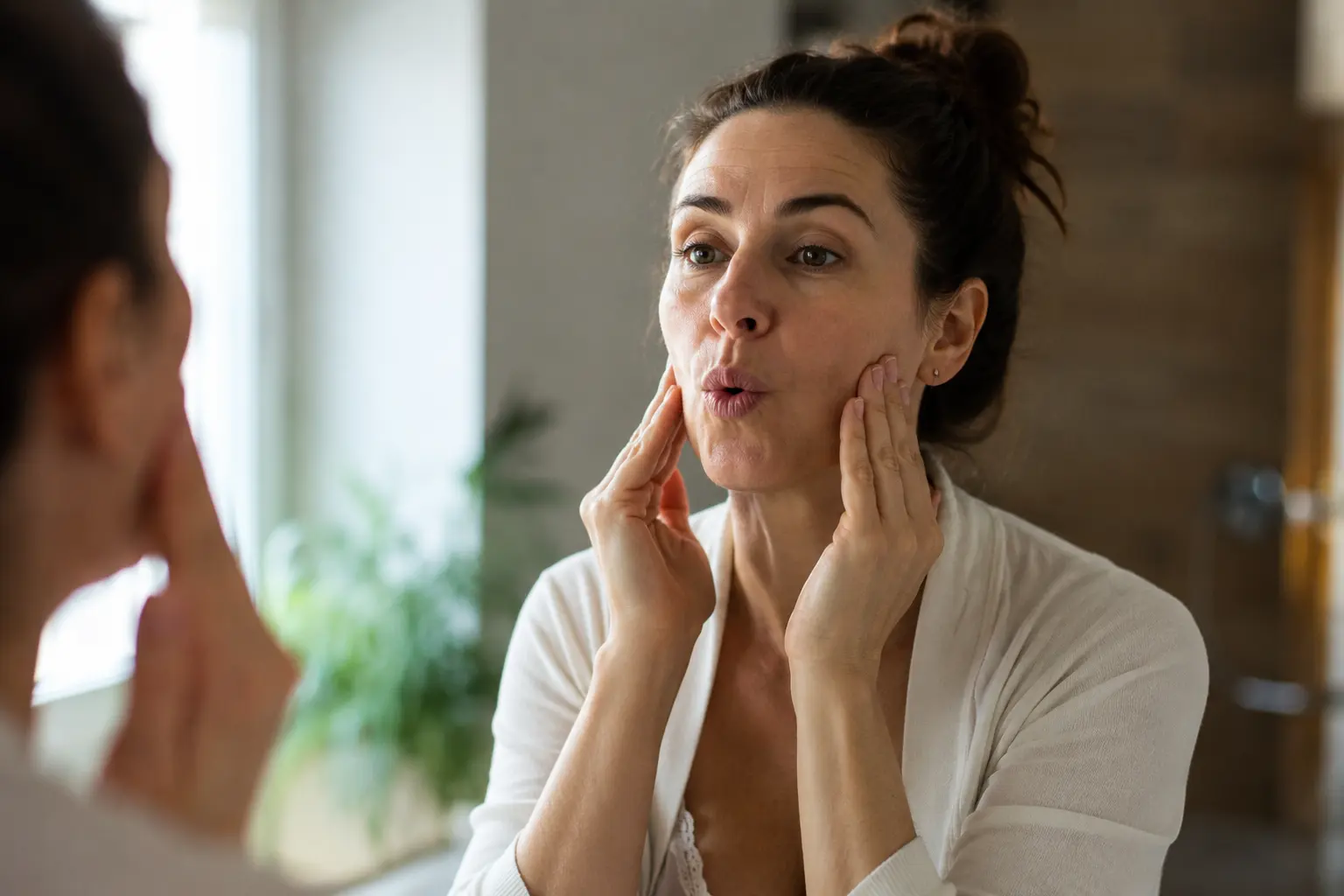
You’re noticing fine lines where there used to be smooth skin, your complexion feels dull no matter how much water you drink, and you are genuinely worried about skin health aging before you even hit 30 – but understanding what is actually happening beneath your skin’s surface changes everything.
Understanding skin aging
Skin aging is a natural biological process that happens to everyone, but it does not happen at the same pace for everyone. Your skin’s structure depends heavily on two proteins: collagen and elastin. Think of collagen as the scaffolding that keeps your skin firm and plump, while elastin is what allows your skin to bounce back when you smile or move your face. As you age, your body produces less of both. A 25-year-old might lose about 1 percent of their collagen per year, which sounds small until you realize that by age 35, you have already lost roughly 10 percent. Environmental stressors like sun exposure, pollution, and lifestyle habits like smoking or poor sleep accelerate this breakdown significantly. Genetics play a role too – if your parents aged gracefully, you likely have an advantage. But the good news is that understanding these mechanisms means you can actually slow the process down with targeted strategies.
- UV exposure accelerates skin aging by breaking down collagen and elastin fibers, with damage accumulating even on cloudy days.
- Smoking and poor nutrition deprive your skin of oxygen and essential nutrients, visibly aging your complexion faster than non-smokers.
- Incorporating a skincare routine with sunscreen and moisturizer can help protect against skin aging and prevent further damage.
Effective skincare habits
Building a consistent skincare routine is not about buying expensive products – it is about understanding the order and purpose of each step. Start with a gentle cleanser suited to your skin type, used twice daily to remove dirt and oils without stripping your skin. Next, exfoliate two to three times per week using either chemical exfoliants like AHAs or BHAs, or physical methods like a soft brush, to slough away dead skin cells and reveal fresher skin underneath. Follow with a hydrating toner or essence to prep your skin for absorption. Then apply targeted serums containing ingredients like vitamin C or hyaluronic acid to address specific concerns like dullness or dehydration. Moisturize while your skin is still slightly damp to lock in hydration. Finally, apply broad-spectrum sunscreen with at least SPF 30 every single day, even indoors, because UV rays penetrate windows. This routine takes about ten minutes but compounds into visible results within weeks. Many young adults skip steps thinking they do not need them yet, but prevention is always easier than correction.
📘 Fix your day in under 2 minuteschoose where to begin:
Healthy lifestyle choices
Your skin reflects what happens inside your body, so lifestyle choices matter as much as topical products. Eating a diet rich in antioxidants from colorful vegetables, berries, and fatty fish provides your skin with the building blocks it needs to repair itself. Omega-3 fatty acids from salmon or walnuts support your skin barrier, while vitamin C from citrus fruits boosts collagen synthesis. Hydration is non-negotiable – aim for at least eight glasses of water daily, more if you exercise or live in a dry climate. Sleep is when your body repairs and regenerates skin cells, so consistently getting seven to nine hours matters tremendously. Stress management through exercise, meditation, or hobbies reduces cortisol levels, which can trigger inflammation and breakouts. A 28-year-old who prioritizes sleep, eats whole foods, and exercises regularly will likely have noticeably better skin than someone the same age who stays up late, eats processed foods, and feels constantly stressed. These habits cost nothing and deliver results that expensive treatments cannot match alone.
Professional treatments
When at-home routines reach their limits, professional treatments offer targeted solutions for specific aging concerns. Chemical peels use acids to dissolve the top layer of skin, revealing smoother, more even-toned skin beneath and stimulating collagen production. Microdermabrasion uses tiny crystals to physically exfoliate, improving texture and reducing the appearance of fine lines. Laser therapy works deeper, triggering collagen remodeling and addressing sun damage, age spots, and skin laxity. Dermatologists can also recommend injectables like botox for dynamic wrinkles or fillers for volume loss, though these are more common in older adults. For young adults, preventative treatments like light chemical peels or laser facials every few months can delay the need for more invasive procedures. A consultation with a board-certified dermatologist helps you understand which treatment matches your skin type and concerns. Professional treatments are an investment, but they deliver results that cannot be replicated at home, especially for stubborn concerns like deep wrinkles or significant sun damage.
Embracing aging gracefully
The pressure to look eternally young is relentless, especially on social media where filtered images set impossible standards. But aging is not something to fight – it is something to manage with intention and self-compassion. Your skin will change, and that is okay. Fine lines tell the story of years spent laughing with friends. A few age spots are proof you spent time outdoors. The goal is not to erase aging but to age in a way that feels authentic to you. Some people choose aggressive anti-aging protocols, others prefer minimal intervention, and both are valid. What matters is making informed choices based on your own values, not external pressure. Taking care of your skin through consistent habits, healthy lifestyle choices, and professional help when needed shows self-respect and self-love. When you shift your mindset from fighting aging to honoring your skin and body, the entire experience becomes less anxious and more empowering.
Skin aging is a natural phenomenon influenced by genetics, lifestyle, and environmental factors, but you have far more control over the process than you might think. Developing effective skincare habits starting in your 20s, making healthy lifestyle choices like prioritizing sleep and nutrition, considering professional treatments when needed, and embracing your skin’s natural changes creates a balanced approach to aging. The key is consistency and self-compassion, not perfection.
Can skincare products reverse the signs of skin aging?
Skincare products cannot fully reverse aging, but they can significantly improve the appearance of aging signs. Ingredients like retinol boost collagen production, vitamin C brightens and protects, and hyaluronic acid plumps fine lines with hydration. Results take time – typically four to twelve weeks of consistent use – but they are real and measurable. Think of skincare as maintenance and prevention rather than reversal.
At what age should I start an anti-aging skincare routine?
Start a basic skincare routine in your early 20s with cleansing, moisturizing, and sunscreen to establish good habits and prevent future damage. Around age 25 to 28, you can introduce targeted anti-aging ingredients like retinol or vitamin C serums if you want to be proactive. There is no magic age – it depends on your skin concerns and goals. Prevention is always easier and cheaper than correction.
Disclaimer: This article is for informational purposes only and is not a substitute for professional medical advice. Always consult a healthcare professional for personal guidance.
This guide has been prepared and reviewed by the GlobalHealthBeacon editorial team and reflects current medical research as of 2026. It provides structured, evidence-based information to support informed health decisions.
