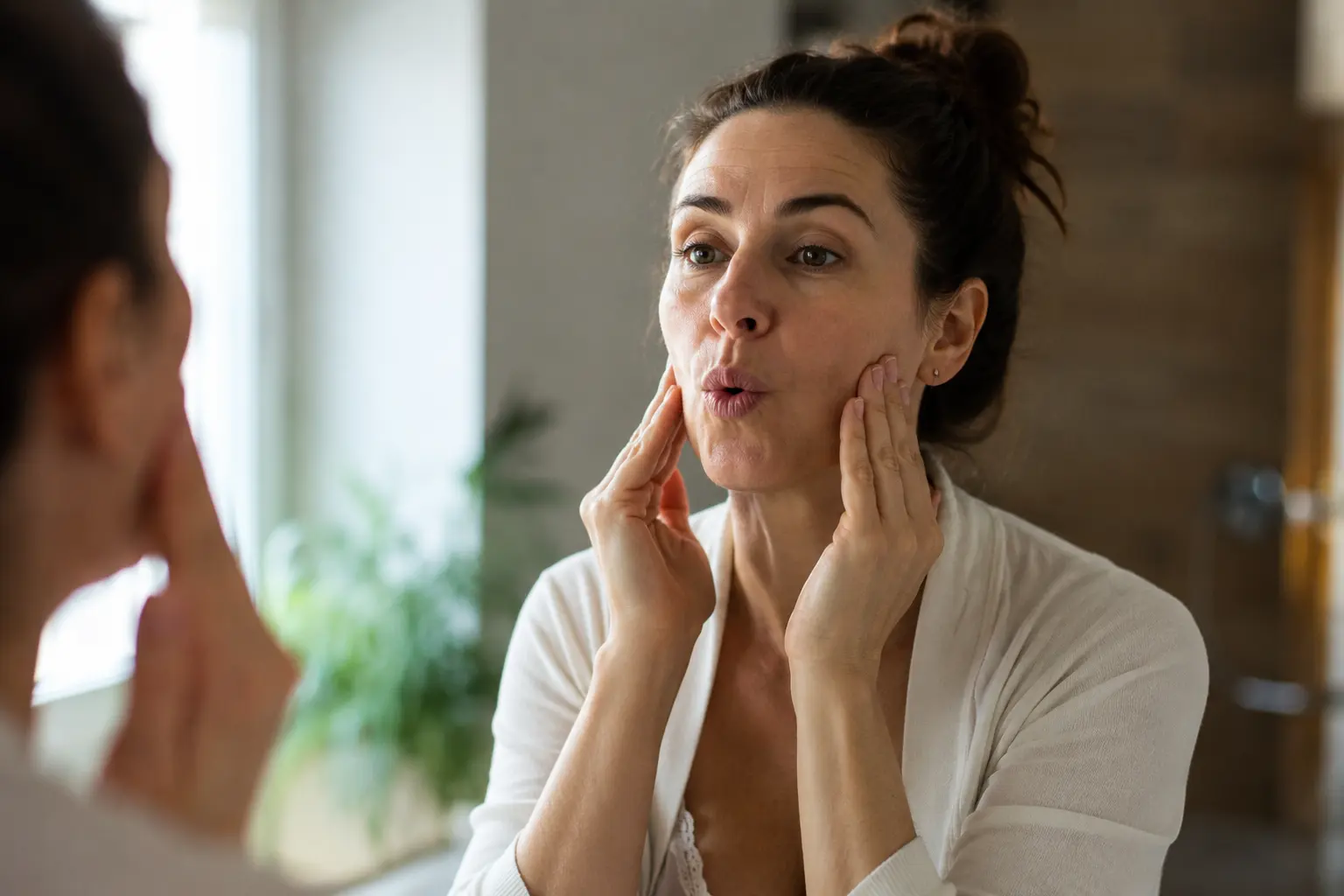
You’re scrolling through your phone at 25, catching your reflection in the mirror and suddenly noticing fine lines you swear weren’t there last month, wondering if everything you’ve heard about skin health aging is actually true or just marketing hype designed to drain your wallet.
Collagen supplements
Collagen is a structural protein that provides firmness and elasticity to the skin, making up roughly 70 percent of your skin’s dry weight. While collagen supplements claim to reverse skin aging, scientific studies have shown mixed results that deserve a closer look. Some research suggests that collagen peptides may improve skin elasticity and hydration when taken consistently over 8 to 12 weeks, but here’s the catch: your digestive system breaks down collagen into amino acids, so you’re not directly absorbing intact collagen molecules. More evidence is needed to confirm their long-term benefits and whether the investment truly pays off compared to eating protein-rich foods like bone broth, chicken, or fish. Young adults experimenting with these supplements should understand they’re not a shortcut but potentially one piece of a larger skin health aging strategy.
Retinol creams
Retinol, a derivative of vitamin A, is a popular ingredient in anti-aging creams due to its ability to boost collagen production and increase skin cell turnover, essentially speeding up your skin’s natural renewal process. Scientific studies support the effectiveness of retinol in reducing fine lines and wrinkles, improving skin texture, and enhancing overall skin appearance when used consistently. The mechanism is straightforward: retinol binds to retinoid receptors in your skin cells, triggering genes that increase collagen synthesis and accelerate the shedding of dead skin cells. However, retinol comes with a learning curve. Many young adults make the mistake of starting too strong or using it daily without building tolerance, leading to irritation, redness, and peeling. A smarter approach involves starting with a low concentration (0.25 to 0.3 percent) once or twice weekly, gradually increasing frequency as your skin adapts. Pairing retinol with a good moisturizer and always using SPF 30 or higher during the day prevents photosensitivity issues.
UV protection
Protecting your skin from harmful UV rays is crucial in preventing premature skin aging, as sun exposure accounts for roughly 80 percent of visible aging signs on the face and neck. UV radiation damages collagen and elastin fibers, triggers inflammation, and causes DNA damage in skin cells that accumulates over time. Think of sun damage like a slow leak in a roof: one day of beach exposure won’t destroy your house, but years of neglect will. Regular use of broad-spectrum sunscreen has been scientifically proven to reduce the risk of skin aging, including wrinkles, age spots, and sagging skin. The challenge many young adults face is consistency and proper application. Most people apply only one-quarter to one-half the recommended amount, significantly reducing effectiveness. Beyond sunscreen, seeking shade during peak UV hours (10 a.m. to 4 p.m.) and wearing protective clothing like lightweight long sleeves or UPF-rated fabrics creates a comprehensive defense strategy that compounds over decades.
- Apply sunscreen with at least SPF 30 every morning as part of your routine, using about one-quarter teaspoon for your face and neck combined.
- Reapply sunscreen every 2 hours, especially when outdoors, swimming, or sweating, to maintain continuous protection throughout the day.
- Wear sunglasses and wide-brimmed hats for added protection, which also reduces squinting that can deepen expression lines over time.
🔬 Science-backed benefits in 2 minuteschoose where to begin:
Antioxidant serums
Antioxidants such as vitamin C and E help neutralize free radicals that contribute to skin aging by donating electrons to unstable molecules before they damage collagen and cell membranes. Topical antioxidant serums combat oxidative stress, support collagen production, and promote a youthful complexion by creating a protective barrier against environmental pollutants and UV damage. Imagine free radicals as tiny troublemakers in your skin; antioxidants are the security guards stopping them before they cause harm. Scientific evidence indicates that incorporating antioxidant serums into your skincare routine can protect against environmental damage and improve skin health, particularly when combined with sunscreen. Vitamin C serums, for instance, have shown measurable improvements in fine lines and skin brightness within 8 to 12 weeks of consistent use. The catch is stability: vitamin C oxidizes quickly when exposed to light and air, so look for dark bottles and use serums within three to six months of opening. Young adults often underestimate how much environmental stress their skin endures daily, making antioxidants a smart preventative investment.
Hydrating hyaluronic acid
Hyaluronic acid is a naturally occurring substance in the skin that retains moisture and maintains skin hydration, capable of holding up to 1000 times its weight in water. As we age, the skin’s hyaluronic acid levels decrease, leading to dryness and fine lines that become more pronounced when skin lacks adequate hydration. Picture your skin cells as tiny sponges; when they’re plump with moisture, they appear fuller and smoother, but when dehydrated, they shrivel and fine lines deepen. Using hyaluronic acid serums or moisturizers replenishes the skin’s moisture barrier, improving skin elasticity and reducing the signs of aging. The best time to apply hyaluronic acid is on damp skin immediately after cleansing, as it works by drawing water from the air and your skin into the epidermis. Many young adults apply it to completely dry skin and wonder why it doesn’t work; the application method matters as much as the product itself. Layering hyaluronic acid under a lightweight moisturizer seals in hydration and creates a lasting plumping effect that makes skin look fresher and more resilient.
Lifestyle habits
Healthy lifestyle choices play a significant role in skin health aging, often determining whether topical treatments succeed or fail. Adequate hydration, balanced nutrition rich in omega-3 fatty acids and antioxidants, regular exercise that increases blood flow to the skin, quality sleep when your body repairs and regenerates cells, and stress management all work together to support skin from the inside out. Scientific research emphasizes the importance of a holistic approach to skincare, encompassing both topical treatments and lifestyle adjustments. Consider sleep deprivation: when you don’t get enough rest, cortisol levels spike, triggering inflammation and breaking down collagen. A young adult pulling all-nighters might see temporary puffiness and dullness, but chronic sleep debt accelerates visible aging. Similarly, a diet high in processed foods and sugar promotes glycation, a process where sugar molecules bind to collagen and make it stiff and less elastic. Exercise increases oxygen delivery to skin cells and promotes lymphatic drainage, naturally detoxifying your complexion. These habits cost nothing and compound over years, making them the true foundation of any skin health aging strategy.
Scientific evidence supports the efficacy of retinol creams in reducing signs of skin aging, while the benefits of collagen supplements require further research and realistic expectations. UV protection through sunscreen is essential to prevent premature aging, alongside the use of antioxidant serums and hyaluronic acid for skin rejuvenation. Adopting healthy lifestyle habits complements skincare routines for optimal skin health.
Do collagen supplements work for anti-aging?
Collagen supplements may offer benefits for skin health, including improved elasticity and hydration. However, more research is needed to confirm their long-term effectiveness in reversing skin aging. Your body breaks down collagen into amino acids during digestion, so you’re not absorbing intact collagen molecules. Eating protein-rich whole foods may provide similar benefits at a lower cost.
How can I protect my skin from premature aging?
Protect your skin from harmful UV rays by using broad-spectrum sunscreen with at least SPF 30 daily, seeking shade during peak hours, and wearing protective clothing. Incorporate antioxidant serums and hyaluronic acid products into your routine. Equally important are lifestyle habits: prioritize sleep, stay hydrated, eat antioxidant-rich foods, exercise regularly, and manage stress. This combination creates a comprehensive defense against skin health aging.
Others also read:
Disclaimer: This article is for informational purposes only and is not a substitute for professional medical advice. Always consult a healthcare professional for personal guidance.
This article has been prepared and reviewed by the GlobalHealthBeacon editorial team and is based on current medical research and published scientific literature available in 2026. It provides structured, evidence-based information to support informed health decisions.
