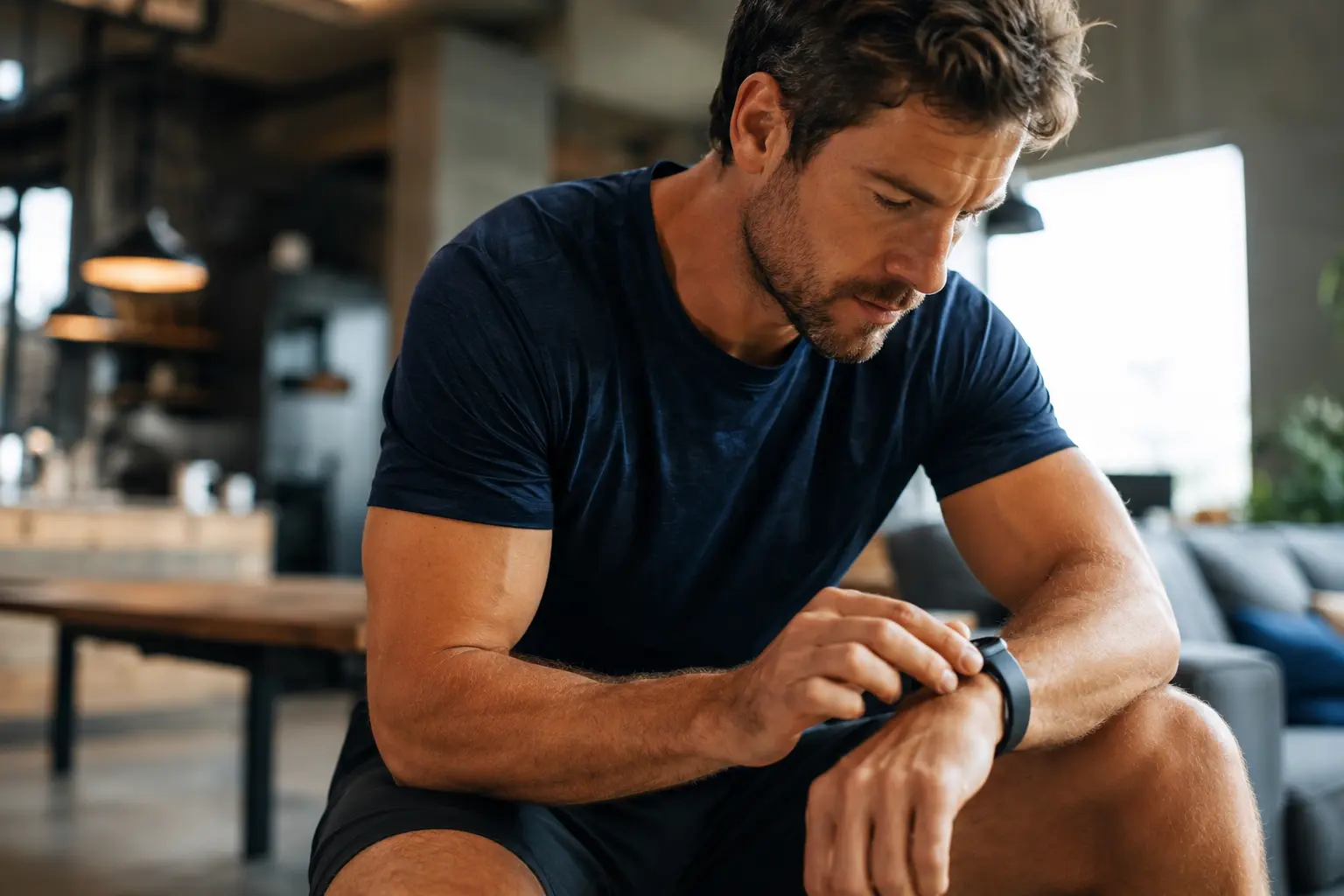
You’re tired of guessing whether you’re actually getting healthier, watching your energy dip without knowing why, and feeling like your body is a mystery you can’t solve anymore, so it’s time to take control with biohacking with wearables and finally get real answers.
Understanding biohacking with wearables
Biohacking sounds like something from a sci-fi movie, but it’s really just using technology to understand your body better. Think of it this way: a wearable device is like having a personal health assistant on your wrist that never sleeps. It tracks your heart rate, counts your steps, monitors how well you sleep, and even picks up on stress levels throughout the day. For seniors, this means you’re no longer relying on vague feelings or annual checkups to know what’s happening with your health. A smartwatch or fitness tracker gives you real-time data that helps you spot patterns. Maybe you notice your sleep improves when you walk more, or your heart rate stays calmer on days you meditate. These insights let you make decisions based on facts, not assumptions. The beauty is that you don’t need to be tech-savvy to benefit. Most devices are designed to be straightforward, with simple apps that show your data in easy-to-read charts and summaries.
- Choose a wearable device that suits your needs and preferences.
- Wearables can help you monitor your progress and motivate you to stay active.
- Learn how to interpret the data collected by your wearable to make informed decisions about your health.
Setting health goals with wearables
Setting goals without data is like driving without a map. With a wearable, you have a clear starting point and a way to measure progress. Begin by thinking about what matters most to you. Maybe you want to walk 6,000 steps daily because your doctor mentioned it, or perhaps you’re struggling with sleep and want to improve that. Your wearable becomes your accountability partner. Let’s say you’re currently averaging 3,000 steps a day. Rather than jumping to 10,000 overnight, your wearable helps you set a realistic target like 4,500 steps, track it for two weeks, then bump it up. The same applies to sleep. If you’re getting five hours a night, the goal isn’t eight hours immediately, but gradually working toward seven. Your device shows you exactly how you’re doing each day, week, and month. This visual progress keeps motivation high because you’re not just hoping you’re improving, you’re seeing it happen in real numbers.
📘 Fix your day in under 2 minuteschoose where to begin:
Optimizing exercise routines
Exercise is crucial for seniors, but doing it wrong can lead to injury or burnout. Your wearable acts as a safety guide and performance coach combined. When you start a walk or workout, your device tracks your heart rate in real time. This matters because it shows whether you’re in a safe zone for your age and fitness level. A good rule for seniors is keeping your heart rate at 50 to 70 percent of your maximum, which your device calculates automatically. If you’re pushing too hard, the wearable alerts you to dial it back. Over time, you’ll notice patterns. Maybe you recover faster on days you do gentle stretching, or your endurance improves when you include strength work twice a week. You can adjust your routine based on this data. Some seniors find that mixing 30 minutes of moderate walking with two days of light resistance training works best for them. Your wearable shows you exactly what that looks like in terms of heart rate, calories, and recovery time, helping you find your ideal balance without guessing.
Monitoring vital signs
Your heart, blood pressure, and oxygen levels tell a story about your health. Modern wearables can track all three, giving you a window into what’s happening inside your body. Imagine you notice your resting heart rate has jumped from 65 to 80 beats per minute over a few days. That’s a signal worth paying attention to, and your wearable makes it impossible to miss. Similarly, if you’re experiencing shortness of breath during a walk, you can check your oxygen saturation right then and there instead of wondering if you should be concerned. This is especially valuable for seniors managing conditions like hypertension or heart issues. You can share your wearable data with your doctor during appointments, giving them a complete picture of your daily patterns rather than just a single reading taken in the clinic. Some devices even send alerts if they detect irregular heart rhythms, giving you early warning signs that something might need medical attention. The key is not to panic over every number, but to watch for trends and changes that fall outside your normal range.
Balancing activity and rest
Here’s what many seniors don’t realize: rest is just as important as activity, and your wearable helps you get both right. The device tracks not just how much you move, but how well you recover. If you’re active every single day without adequate rest, your body never fully repairs itself, and you end up more tired and prone to illness. Your wearable shows you your sleep stages, heart rate variability, and recovery metrics. A good night means you’re cycling through light sleep, deep sleep, and REM sleep in healthy proportions. If your deep sleep is consistently low, it might mean you need a quieter bedroom or less caffeine in the afternoon. Some seniors discover they sleep better when they stop moving at least two hours before bed. Others find that a 20-minute afternoon nap actually improves their evening sleep quality. Your wearable becomes the evidence for what works. You’ll also notice that on days when you get seven to eight hours of quality sleep, you have more energy, your mood is better, and you’re more motivated to stay active. It’s a positive cycle that the data helps you build and maintain.
Get started on your biohacking journey with wearables to track your health, set goals, optimize exercise routines, monitor vital signs, and balance activity with rest effectively.
Are wearables safe for seniors?
Yes, wearables are generally safe for seniors to use. However, it’s essential to consult with your healthcare provider before starting any new health monitoring regimen.
Can wearables help seniors improve their fitness levels?
Absolutely. Wearables can assist seniors in tracking their physical activity, setting fitness goals, and monitoring progress, making it easier to stay motivated and maintain a healthy lifestyle.
Others also read:
Disclaimer: This article is for informational purposes only and is not a substitute for professional medical advice. Always consult a healthcare professional for personal guidance.
This guide has been prepared and reviewed by the GlobalHealthBeacon editorial team and reflects current medical research as of 2026. It provides structured, evidence-based information to support informed health decisions.
