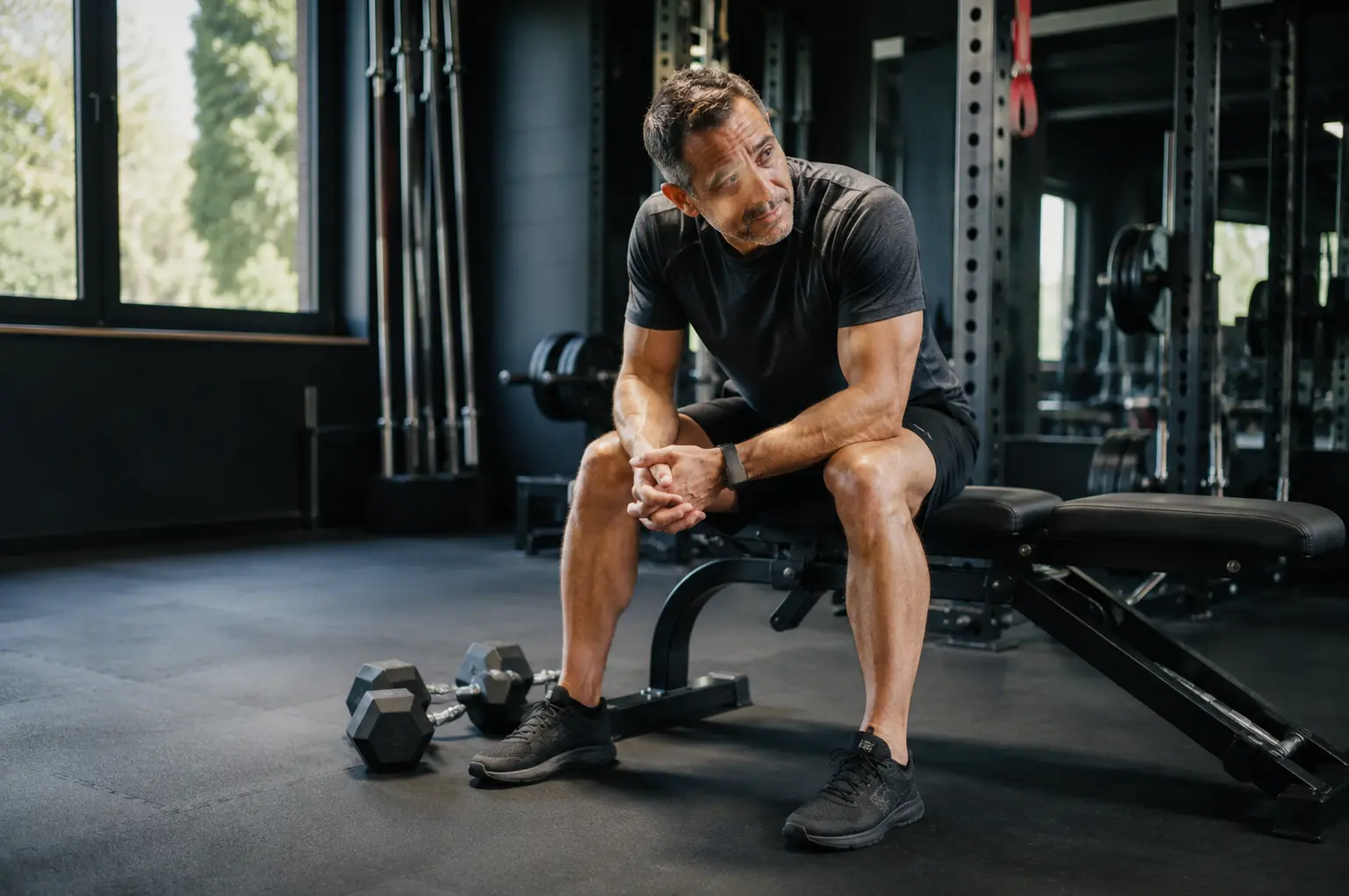
Tired of feeling weak, frustrated with your body, or stuck in a fitness rut? The benefits of strength training can completely transform how you look, feel, and move through the world.
Why strength training is essential
Strength training is foundational to building a stronger, healthier body. When you engage in resistance exercises, you’re not just working your muscles in the moment. You’re triggering a cascade of changes that reshape your physiology. Your muscles grow denser and stronger, your bones become more resilient, and your metabolism shifts into a higher gear. Consider a woman in her 40s who starts lifting weights twice weekly. Within weeks, she notices climbing stairs feels easier, carrying groceries requires less effort, and her energy throughout the day improves. This isn’t magic. It’s the direct result of enhanced muscle mass, which burns more calories even at rest, and increased bone density, which protects against fractures and osteoporosis. Additionally, resistance training strengthens connective tissues and improves joint stability, reducing injury risk during daily activities and other sports.
- Builds lean muscle mass
- Increases metabolism for weight management
- Improves bone density for stronger bones
Empower your health with strength training
Beyond the physical changes you see in the mirror, strength training is a powerful preventive health tool. Regular resistance work significantly reduces your risk of developing chronic conditions like osteoporosis, type 2 diabetes, and heart disease. When you strength train consistently, your body becomes more insulin-sensitive, your blood pressure improves, and your cardiovascular system strengthens. Imagine a woman managing her family’s health while juggling work and responsibilities. Adding strength training to her routine doesn’t just tone her body. It actively protects her future by lowering inflammation, improving cholesterol profiles, and enhancing balance and coordination. These benefits compound over time. A woman who strength trains in her 30s and 40s is investing in independence and vitality for her 60s, 70s, and beyond. The flexibility and stability gains also reduce fall risk, a critical concern as we age.
📘 Fix your day in under 2 minuteschoose where to begin:
Breaking the myth of bulkiness
One of the biggest misconceptions holding women back from strength training is the fear of becoming bulky. This myth persists despite clear evidence to the contrary. Building significant muscle mass requires specific conditions: high calorie intake, progressive heavy lifting, and hormonal profiles that most women naturally don’t have. What actually happens when women strength train is a sculpting effect. You lose fat while gaining muscle, creating definition and tone without the bulk. Picture a woman who starts with a soft midsection and weak arms. After three months of consistent strength training, she’s lost inches, her clothes fit differently, and her arms show definition she never had before. She looks leaner, not larger. The key is understanding that muscle is denser than fat, so you might weigh the same or even slightly more while looking noticeably smaller and more toned. This transformation builds genuine confidence because it’s visible, measurable, and entirely within your control.
Enhanced mental well-being
The mental health benefits of strength training are just as powerful as the physical ones, though often overlooked. When you lift weights, your brain releases endorphins, serotonin, and dopamine. These neurochemicals reduce stress, elevate mood, and create a sense of accomplishment. Many women report that strength training becomes their mental reset button. After a tough day at work or a stressful family situation, spending 30 minutes lifting weights clears their mind and restores emotional balance. The cognitive benefits extend beyond mood. Strength training improves focus, memory, and executive function. You’re also building resilience and self-efficacy. Each time you complete a workout, hit a new personal record, or push through a challenging set, you’re proving to yourself that you can do hard things. This psychological shift carries into other areas of life, boosting confidence in your ability to handle challenges and achieve goals.
The versatility of strength training
Strength training isn’t one-size-fits-all, and that’s its greatest strength. Whether you prefer dumbbells, barbells, resistance bands, bodyweight exercises, or machines, you can build strength. Some women love the meditative flow of yoga-inspired strength work. Others thrive on the intensity of high-rep circuits or the precision of powerlifting. A busy mom might use 15-minute home workouts with minimal equipment. A woman at a gym might follow a structured program with progressive periodization. The point is flexibility. You can adapt strength training to your schedule, preferences, fitness level, and goals. Beginners start with lighter weights and focus on form and consistency. Advanced lifters push heavier loads and track detailed metrics. Pregnant women can modify movements to stay strong safely. Women recovering from injury can use targeted exercises for rehabilitation. This adaptability means strength training can be a lifelong practice that evolves with you through every life stage.
Strength training offers transformative benefits that go far beyond aesthetics. You’ll build lean muscle, boost metabolism, strengthen bones, and protect against chronic disease. The mental health gains, mood enhancement, and confidence boost are equally valuable. Whether you’re starting from scratch or advancing your practice, strength training is a versatile, accessible tool for building a stronger, healthier, more resilient version of yourself.
Can strength training help in weight loss?
Yes, strength training boosts metabolism and helps burn fat, making it a valuable component in weight loss journeys.
How often should I strength train?
It is recommended to strength train at least 2-3 times per week, allowing muscles to recover between sessions to maximize results.
Others also read:
Disclaimer: This article is for informational purposes only and is not a substitute for professional medical advice. Always consult a healthcare professional for personal guidance.
This guide has been prepared and reviewed by the GlobalHealthBeacon editorial team and reflects current medical research as of 2026. It provides structured, evidence-based information to support informed health decisions.
