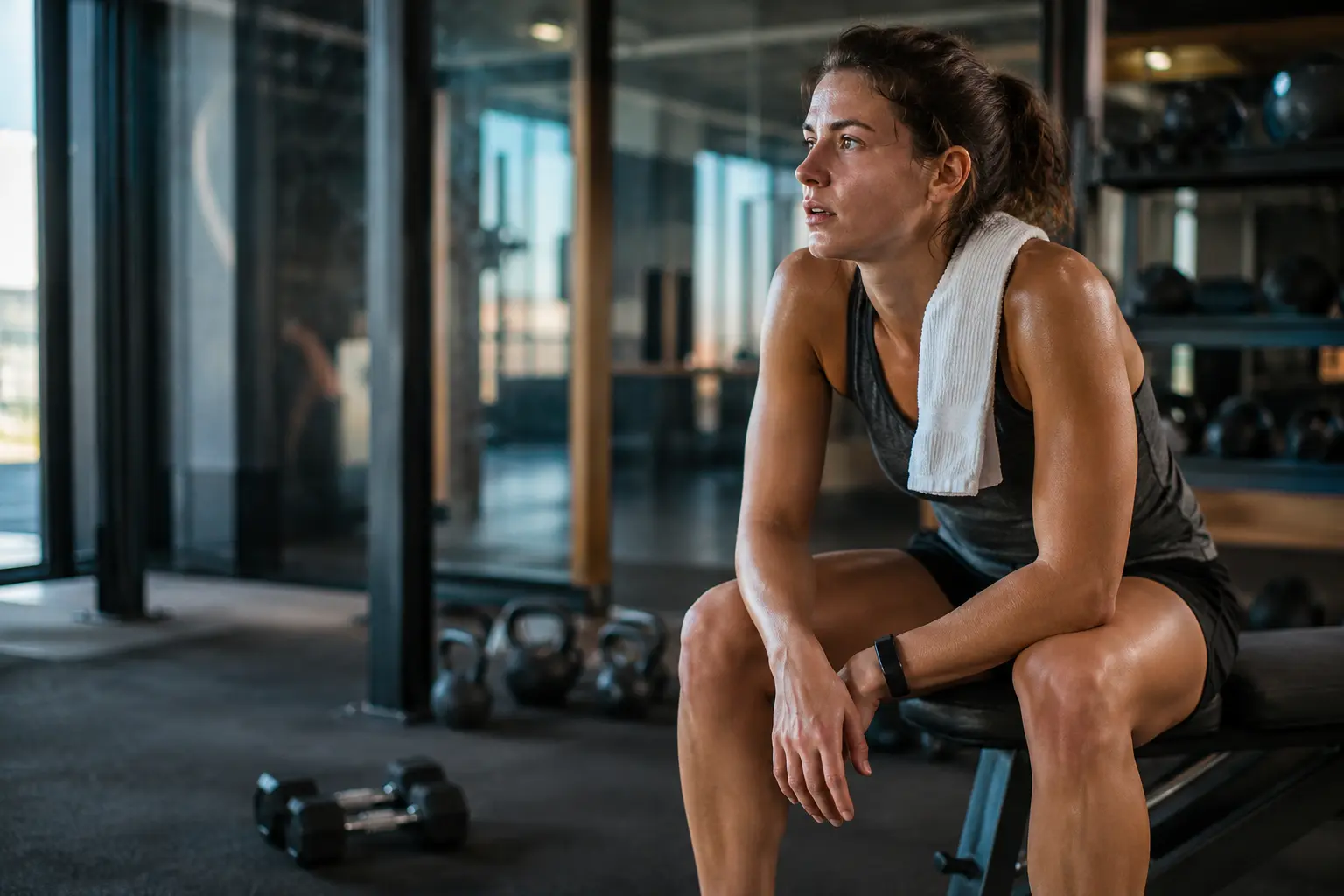
You crush your workout, feeling invincible for about two hours, then suddenly you can’t walk down the stairs without wincing and your arms feel like they belong to someone else, and that’s when the reality of exercise recovery signs hits you hard.
Muscle soreness
That achy, heavy feeling that creeps in after a challenging workout is one of the most unmistakable exercise recovery signs women experience. Picture this: you nail a leg day on Monday, feeling strong and capable, but by Tuesday morning, lowering yourself onto the toilet becomes a strategic negotiation with your own body. This isn’t weakness, it’s actually your muscles responding to the microscopic damage from exercise and rebuilding themselves stronger. Sarah, a 34-year-old runner, describes it as feeling like her quads have been wrapped in barbed wire. The soreness typically peaks between 24 to 48 hours after your workout, which is why that delayed onset muscle soreness (DOMS) catches so many women off guard. Understanding this timeline helps normalize what you’re experiencing and reminds you that discomfort is temporary and purposeful.
- Muscle soreness usually peaks 24 to 48 hours after exercise.
- Light stretching, gentle yoga, or a warm bath can help alleviate muscle soreness.
- Proper hydration and a nutrient-rich diet play a crucial role in muscle recovery.
Fatigue and exhaustion
Beyond the physical ache, many women report a bone-deep exhaustion that no amount of coffee seems to touch during recovery. Your body has just expended enormous energy during your workout, and now it’s channeling resources toward repair and restoration, leaving you feeling drained. Imagine finishing a tough spin class and then spending the rest of your day moving through water, struggling to focus at work or manage simple tasks. This fatigue is your body’s honest signal that it needs genuine rest, not just sitting on the couch scrolling your phone. Women often feel guilty about this exhaustion, pushing through it or dismissing it as laziness, but it’s actually a critical part of the recovery process. Listening to this signal and allowing yourself genuine rest, whether that’s an early bedtime, a slow walk, or simply doing less, accelerates your actual recovery and prevents burnout.
💬 Ready to feel better in 2 minutes?choose where to begin:
Inflammation and swelling
Swelling in your joints, muscles, or even your hands and feet is a normal inflammatory response to exercise stress, though it can feel alarming if you’re not expecting it. After an intense workout, your body increases blood flow to damaged tissues and releases inflammatory compounds that are actually helping you heal. You might notice your knees feel puffy or your fingers seem slightly swollen the day after a challenging strength session. This isn’t your body failing you, it’s your immune system actively working. To manage this exercise recovery sign, try elevating your legs while resting, using ice packs for 15 to 20 minutes at a time, or wearing compression sleeves or socks to support circulation. Many women find that gentle movement like walking or swimming actually reduces swelling better than complete immobility, though always honor your body’s comfort level.
Mental and emotional impact
Recovery isn’t just physical, and this is where many women struggle silently. After pushing hard in your workouts, you might feel frustrated that your body isn’t bouncing back instantly, or disappointed that you can’t hit the gym again immediately. Some women experience mood dips during recovery, feeling irritable or unmotivated when they’re forced to slow down. There’s also the mental challenge of trusting the process when you can’t see progress happening. Jennifer, a 28-year-old CrossFit athlete, describes feeling anxious during rest days, worried she’s losing fitness. These emotional responses are completely valid and more common than you might think. Practicing self-compassion during recovery, journaling about how you feel, or connecting with other women navigating the same experience can help normalize these feelings and remind you that rest is productive, not lazy.
Exercise recovery signs in women can manifest as muscle soreness, fatigue, inflammation, and emotional challenges. Understanding these signals and taking appropriate steps to support recovery is crucial for overall well-being.
How long does it take to recover from intense exercise?
The recovery time can vary depending on the intensity of the workout and individual fitness levels. Generally, it takes 24 to 72 hours for the body to fully recover from intense exercise.
Should I continue exercising if I’m still sore?
It’s important to listen to your body. While some light exercise or gentle movement may help with recovery, pushing through intense soreness can lead to further muscle damage. Rest and proper recovery are key.
Others also read:
Disclaimer: This article is for informational purposes only and is not a substitute for professional medical advice. Always consult a healthcare professional for personal guidance.
This article presents an experience-based perspective and has been reviewed by the GlobalHealthBeacon editorial team in 2026. It provides structured, evidence-based information to support informed health decisions.
