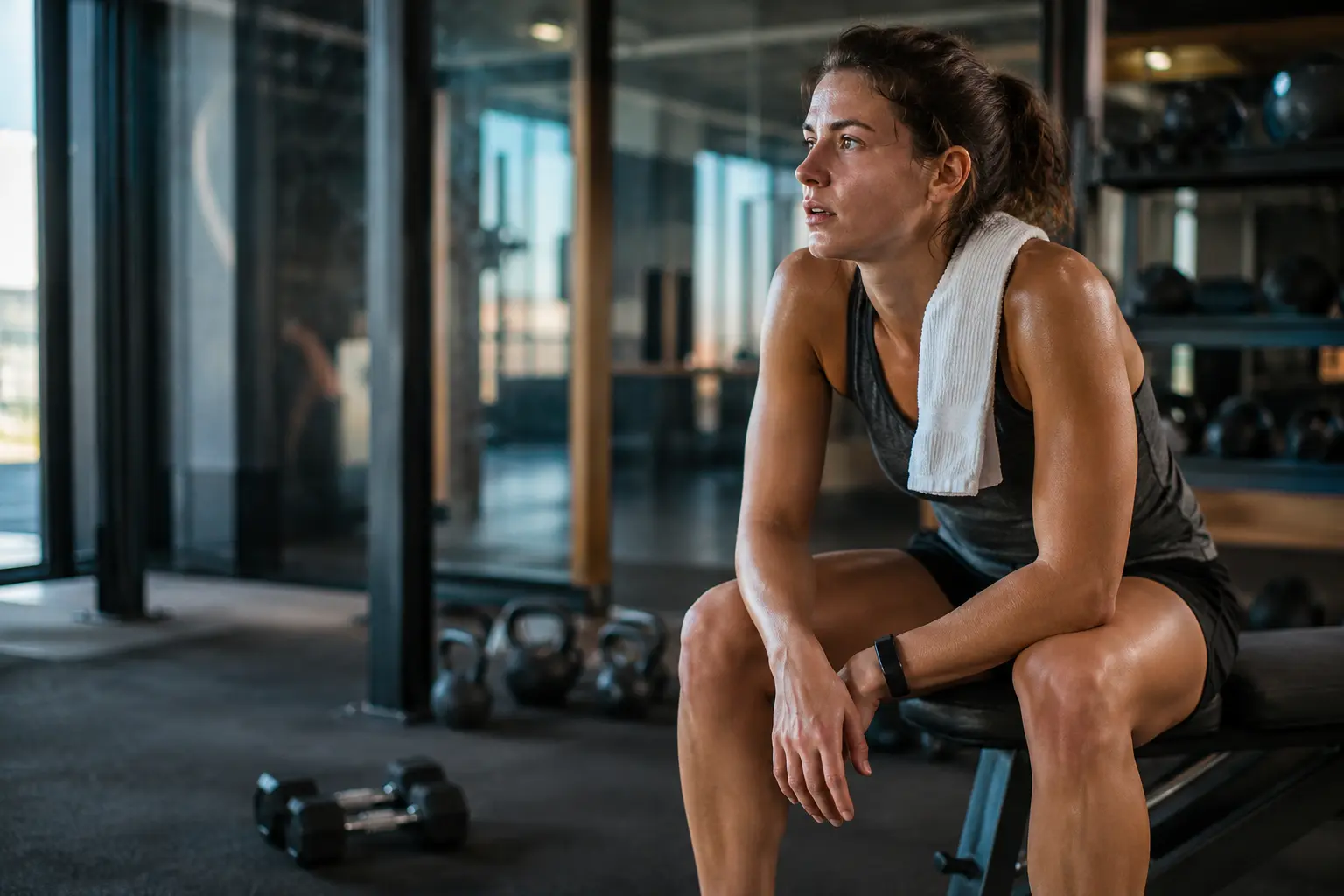
Your legs feel like concrete, your arms ache, and you are exhausted for days after a workout, so what does it actually mean for your body and exercise recovery signs?
Understanding fatigue
Fatigue after exercise is not always a badge of honor. Many women push through exhaustion thinking it proves they worked hard, but your body sends different signals depending on what type of fatigue you are experiencing. Normal post-workout tiredness typically fades within a few hours as your energy systems replenish. You might feel pleasantly tired, ready for a good meal and rest, but still capable of daily tasks. Overtraining fatigue, however, lingers and deepens. You wake up feeling unrested, struggle through simple activities, and notice your motivation has vanished. Pay attention to whether your exhaustion improves with proper sleep, nutrition, and rest days, or whether it persists no matter what you do. Consider keeping a simple log of your energy levels for two weeks. Note your workout intensity, sleep quality, stress levels, and how you felt the next day. Patterns will emerge. If you consistently feel drained for more than 48 hours after moderate exercise, or if fatigue interferes with work or daily life, your body is signaling that recovery needs are not being met. Mood changes and irritability often accompany overtraining fatigue because your nervous system is stressed. This is your cue to dial back intensity and prioritize recovery.
- Listen to your body’s energy levels throughout the day
- Pay attention to persistent exhaustion that does not improve with rest
- Mood changes and irritability could indicate excessive strain
Muscle soreness demystified
Delayed onset muscle soreness, or DOMS, is a normal response to new or intense exercise. It typically appears 24 to 72 hours after your workout and happens because muscle fibers experience tiny micro-tears during exercise. Your immune system responds by triggering inflammation, which causes that familiar stiffness and ache. This is not damage you should fear. It is actually part of how muscles adapt and grow stronger. The soreness usually peaks around day two or three, then gradually improves. However, extreme soreness that prevents you from moving, or pain that is sharp and localized rather than a dull ache across the muscle, signals potential injury. Real injury pain often worsens with movement, whereas DOMS typically feels better once you warm up and move gently. A practical test: if you can perform the same movement that caused soreness without sharp pain, you likely have DOMS. If the pain intensifies or feels different from normal soreness, stop and rest. Apply ice for the first 48 hours if swelling is present, then switch to heat. Gentle movement like walking or light stretching actually helps DOMS resolve faster than complete immobility. If soreness lasts beyond five days, becomes increasingly painful, or is accompanied by swelling or bruising, consult a healthcare provider to rule out injury.
📘 Fix your day in under 2 minuteschoose where to begin:
Hydration hints
Water is your recovery workhorse, yet many women underestimate how much they need post-exercise. During a workout, you lose fluids through sweat, and your muscles need water to repair and rebuild. Dehydration slows recovery, increases muscle soreness, and impairs your ability to regulate body temperature and mood. A practical approach: drink about 16 to 24 ounces of fluid for every pound of body weight lost during exercise. You can estimate this by weighing yourself before and after a typical workout. If you lost two pounds, aim for 32 to 48 ounces of fluid over the next few hours. Water is ideal, but if your workout lasted over 60 minutes, include electrolytes like sodium and potassium through sports drinks, coconut water, or a pinch of salt in your water. Timing matters too. Start rehydrating within 30 minutes of finishing your workout, not hours later. Sip gradually rather than chugging, as your body absorbs fluid better when you drink steadily. A simple habit: keep a water bottle with you and drink until your urine is pale yellow. Dark urine signals dehydration. If you notice persistent fatigue, headaches, or muscle cramps that do not respond to stretching, dehydration might be the culprit. Pay special attention during your menstrual cycle, when hormonal changes can increase fluid needs.
Sleep signals
Sleep is where recovery actually happens. While you rest, your body releases growth hormone, repairs muscle tissue, consolidates memories, and restores your immune system. Yet many women sacrifice sleep for busy schedules, then wonder why they feel perpetually tired and sore. Quality sleep means more than just hours in bed. You need deep, uninterrupted sleep where your brain cycles through restorative stages. Track your sleep for one week by noting bedtime, wake time, and how rested you feel. Most women need seven to nine hours nightly, with more needed on heavy training days. If you consistently wake up during the night, struggle to fall asleep, or feel unrested despite adequate hours, your sleep quality needs attention. Practical improvements: keep your bedroom cool (around 65 to 68 degrees Fahrenheit), dark, and quiet. Avoid screens one hour before bed because blue light suppresses melatonin. Establish a consistent sleep schedule, even on weekends. If racing thoughts keep you awake, try writing down concerns before bed to clear your mind. Intense exercise close to bedtime can overstimulate your nervous system, so finish workouts at least three hours before sleep. If sleep problems persist despite these changes, consider discussing sleep apnea or hormonal factors with your doctor, as both are common in women and significantly impact recovery.
Nutrition know-how
Food is fuel and medicine for recovery. After exercise, your muscles are primed to absorb nutrients and rebuild stronger. The window is not as tight as once believed, but eating within two hours of finishing your workout optimizes recovery. Focus on protein and carbohydrates together. Protein provides amino acids that repair muscle fibers, while carbohydrates replenish glycogen stores your muscles burned during exercise. A practical post-workout meal might be grilled chicken with sweet potato and vegetables, Greek yogurt with berries and granola, or a smoothie with protein powder, banana, and nut butter. Aim for 20 to 40 grams of protein and 40 to 80 grams of carbohydrates depending on your workout intensity and body size. Do not neglect micronutrients. Iron, magnesium, zinc, and B vitamins all support recovery and are often insufficient in women’s diets. Include leafy greens, nuts, seeds, whole grains, and lean meats. If you feel persistently sore, weak, or fatigued despite good sleep and hydration, consider whether your overall calorie intake matches your activity level. Undereating is a common mistake that sabotages recovery. Track your food for three days to assess whether you are fueling adequately. Remember that recovery nutrition is not about restriction or perfection. It is about giving your body the building blocks it needs to adapt to training and feel strong.
Understanding fatigue, muscle soreness, hydration, sleep quality, and nutrition post-exercise is key to optimizing your recovery process and avoiding potential pitfalls.
How long should I rest after an intense workout?
Rest periods vary depending on the intensity of your workout and your individual fitness level. Listen to your body and aim for adequate rest to allow your muscles to recover fully.
Is it normal to feel sore days after a workout?
Delayed onset muscle soreness (DOMS) can occur 24-72 hours after intense exercise. It’s a natural reaction as your muscles repair and grow stronger.
Others also read:
Disclaimer: This article is for informational purposes only and is not a substitute for professional medical advice. Always consult a healthcare professional for personal guidance.
This guide has been prepared and reviewed by the GlobalHealthBeacon editorial team and reflects current medical research as of 2026. It provides structured, evidence-based information to support informed health decisions.
