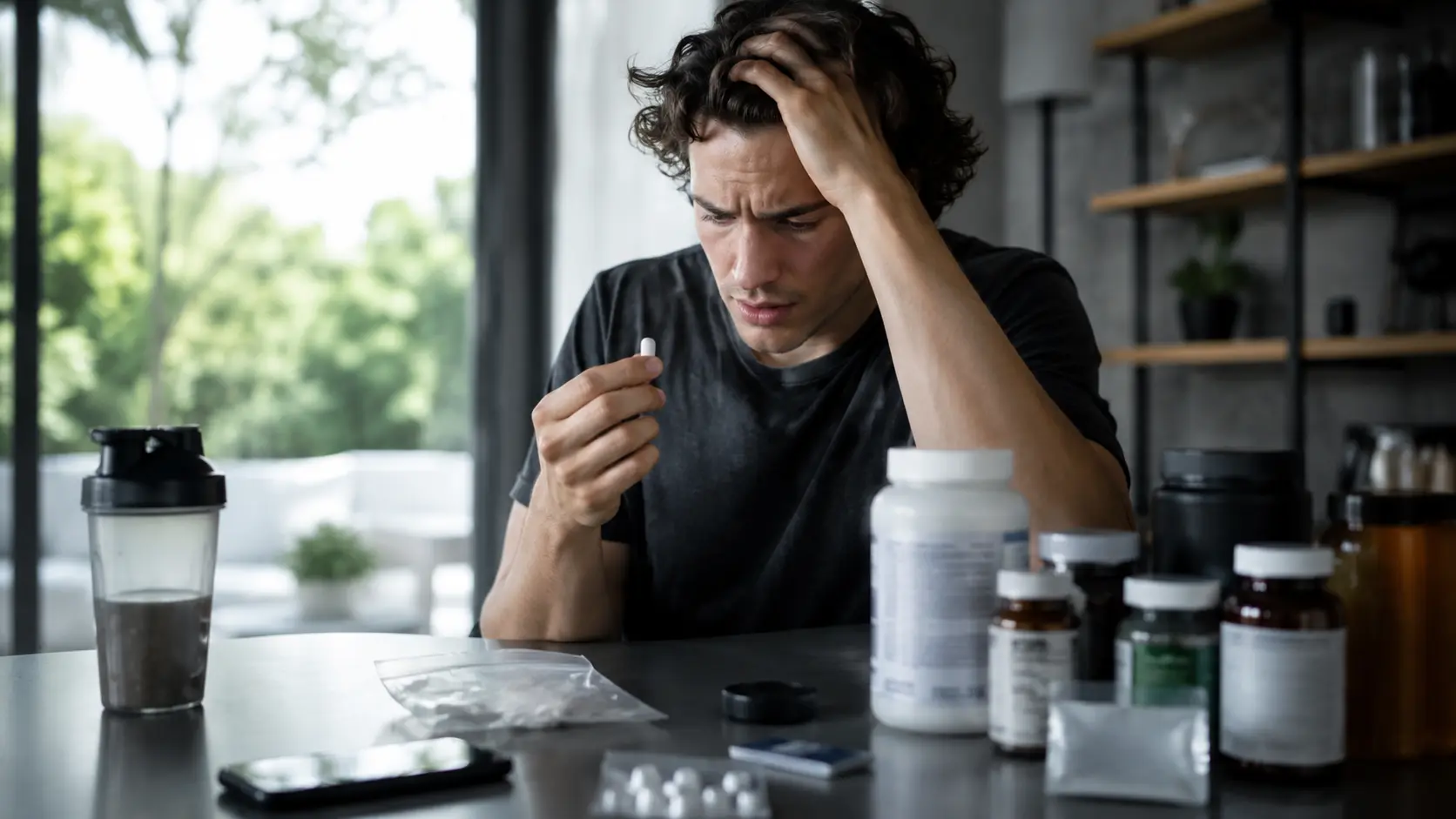
You wake up feeling worse than before you started that trendy supplement routine, and now you’re wondering if these biohacking mistakes have actually set you back instead of helping you feel younger and stronger.
Overlooking professional advice
I remember when my neighbor Frank decided to try a popular biohacking protocol he found online without mentioning it to his doctor. He was excited, energized by all the testimonials and before-and-after stories. Within weeks, he developed severe headaches and felt unusually fatigued. It turned out his new regimen was interacting with his blood pressure medication in ways that could have been dangerous. Frank’s story stuck with me because it shows how easy it is to get caught up in the promise of feeling better without checking with someone who actually knows your medical history. The internet is full of success stories, but they rarely mention the people for whom things went sideways. Before starting any biohacking approach, having that conversation with your healthcare provider isn’t just smart, it’s essential.
- Always consult with a healthcare provider before starting any biohacking regimen.
- Understand the potential risks and side effects associated with biohacking methods.
- Prioritize safety and efficacy over trendy hacks that promise miraculous results.
Misinterpreting dosages and timings
Getting the dose wrong might seem like a small mistake, but it’s where many seniors stumble. I knew a woman named Margaret who started taking a popular NAD supplement to boost her energy. She read the label quickly and thought more would mean faster results, so she doubled the recommended dose. Instead of feeling energized, she experienced nausea and sleep disruption that lasted weeks. The frustrating part was that she’d been doing everything else right, but that one misinterpretation undid her efforts. Timing matters too. Some biohacking methods work best on an empty stomach, others with food. Some should be taken in the morning to avoid sleep issues, others at night. Missing these details can mean the difference between results and disappointment, or worse, unexpected side effects that make you question whether biohacking is worth it at all.
💬 Ready to feel better in 2 minutes?choose where to begin:
Neglecting personal health history
Your body carries a unique story written in your medications, past surgeries, allergies, and chronic conditions. When you skip over that history while pursuing biohacking goals, you’re essentially ignoring crucial information that could keep you safe. I watched my uncle discover this the hard way when he started a popular fasting protocol without mentioning his history of blood sugar issues. He felt dizzy and weak during his fasting windows, something that wouldn’t have surprised his doctor but did surprise him. Your body isn’t the same as the 35-year-old fitness influencer promoting a biohacking trend. You might be taking medications for heart health, managing diabetes, or dealing with digestive sensitivities that completely change how your body responds to new practices. Taking time to honestly assess your health history and how it intersects with what you’re considering isn’t boring or unnecessary, it’s the foundation of smart biohacking.
Disregarding physical signs and symptoms
Your body sends signals constantly, and learning to listen to them is one of the most underrated skills in biohacking. I remember my friend Robert pushing through persistent joint pain and unusual fatigue because he’d read that some discomfort was normal when your body was adjusting to a new protocol. He kept going for three weeks before finally stopping, and it took another month for the pain to fade. Turns out his body was telling him something wasn’t right, but he’d convinced himself to ignore it. This is where real wisdom comes in. Feeling a bit tired for a day or two might be normal adjustment. But persistent headaches, digestive upset, mood changes, or physical pain that wasn’t there before are your body’s way of saying this approach isn’t working for you right now. The best biohacking strategy respects your body’s feedback. When something feels off, it usually is. Paying attention to these signals and being willing to adjust or stop isn’t failure, it’s intelligence.
Senior biohacking gone wrong can have serious repercussions when professional advice is ignored, dosages and timings are misinterpreted, personal health history is neglected, and physical signs are disregarded. By prioritizing safety, consulting experts, and being attentive to individual needs, seniors can avoid potential pitfalls and optimize their biohacking experience.
How can seniors ensure safe biohacking practices?
Seniors should prioritize safety by consulting healthcare providers, understanding risks, and following dosage instructions diligently to ensure safe biohacking practices.
What should seniors do if they experience negative effects from biohacking?
If seniors experience negative effects from biohacking, they should immediately stop the practice, seek medical advice, and disclose all biohacking methods and substances used to their healthcare provider for appropriate guidance.
Others also read:
Disclaimer: This article is for informational purposes only and is not a substitute for professional medical advice. Always consult a healthcare professional for personal guidance.
This article presents an experience-based perspective and has been reviewed by the GlobalHealthBeacon editorial team in 2026. It provides structured, evidence-based information to support informed health decisions.
