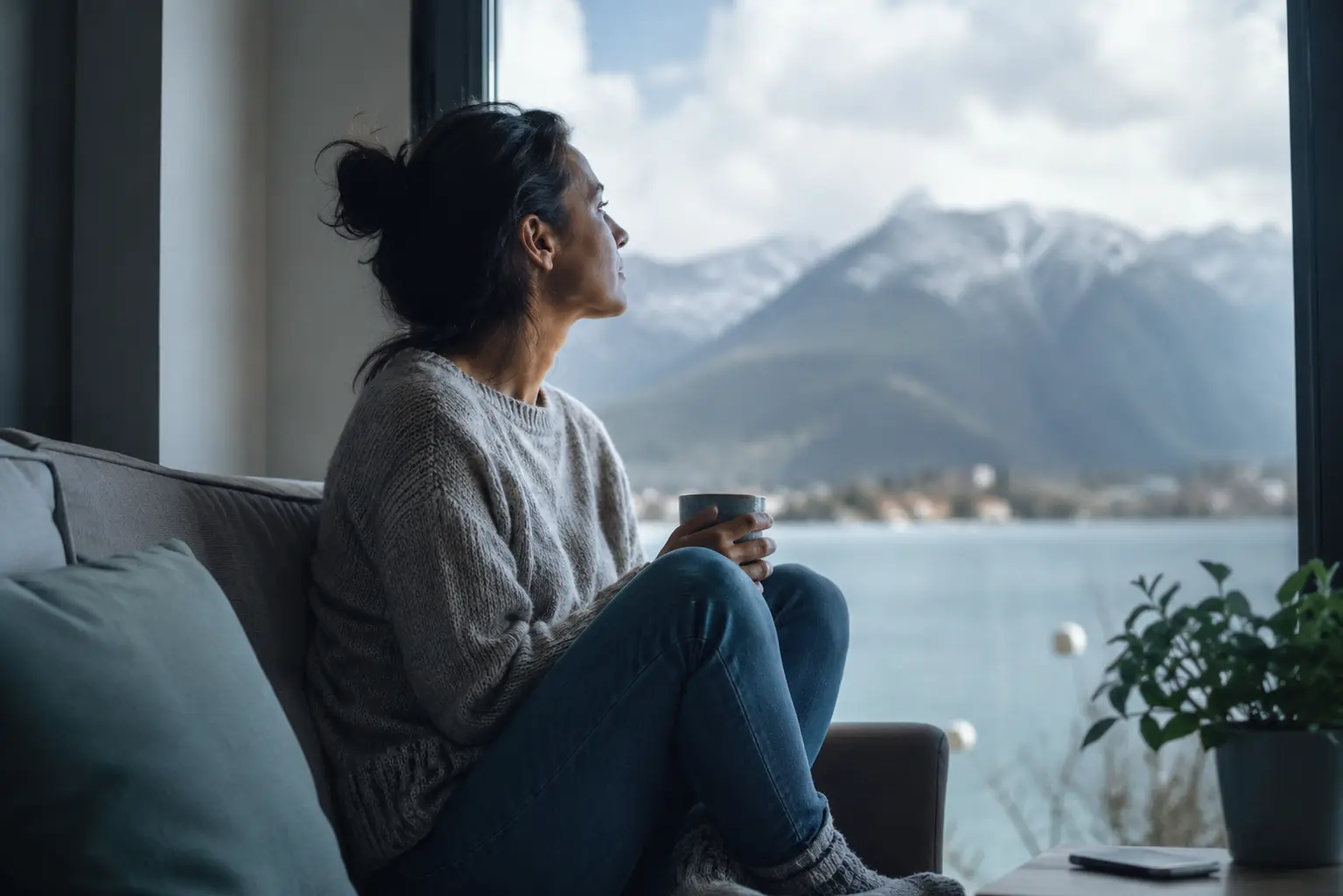
You’re exhausted from constantly being ‘on’ for everyone else, and the thought of another social obligation makes you want to scream, but here’s what nobody tells you: healthy loneliness habits might be exactly what your nervous system has been begging for.
The biology of loneliness
Loneliness is far more than just a feeling of sadness or disconnection. It’s a physiological state that activates your body’s stress response system. When women experience prolonged isolation without choice or meaningful connection, their brains trigger the release of cortisol, the primary stress hormone. This isn’t a character flaw or weakness; it’s how human neurobiology works. Research shows that chronic loneliness can elevate cortisol levels similarly to other major stressors like work pressure or relationship conflict. However, the key distinction lies in whether the solitude is chosen and fulfilling versus imposed and unwanted. A woman who deliberately spends an evening alone reading experiences a completely different neurochemical cascade than one who feels isolated against her will. Understanding this biological foundation helps explain why some women naturally gravitate toward alone time while others struggle with it. The amygdala, your brain’s alarm center, becomes hyperactive during unwanted isolation but remains calm during chosen solitude. This distinction is crucial for reframing how we think about time spent alone.
Social connection vs. solitude
Many women have internalized the message that being alone is somehow wrong or unhealthy, but neuroscience tells a different story. Solitude and loneliness are not the same thing. Solitude is a chosen state of being alone, often accompanied by a sense of peace and purpose. Loneliness, by contrast, is the painful gap between desired and actual social connection. Consider Sarah, a 52-year-old professional who initially felt guilty about preferring quiet weekends at home over constant social engagements. Once she reframed her alone time as restorative rather than isolating, her entire relationship with solitude shifted. She began using those hours for activities that genuinely nourished her: painting, journaling, long walks. Her stress levels dropped, and paradoxically, her social interactions became more meaningful because they were chosen rather than obligatory. The brain actually needs periods of reduced stimulation to process emotions, consolidate memories, and generate creative insights. Women who honor their need for solitude often report feeling more present and authentic during their social interactions because they’re not running on empty.
Benefits of healthy loneliness habits
When women intentionally cultivate healthy solitude practices, they unlock several measurable cognitive and emotional benefits. Enhanced creativity emerges because the brain’s default mode network, responsible for imagination and problem-solving, activates most strongly during quiet, undirected time. Many women report breakthrough ideas occurring during solo activities like showering, walking, or sitting quietly. Improved self-awareness develops naturally when you spend time observing your own thoughts and patterns without external input or judgment. This introspection builds genuine self-acceptance because you’re learning who you actually are beneath social roles and expectations. Strengthened emotional resilience follows because solitude provides a safe laboratory for processing difficult feelings without needing to manage others’ reactions. A woman practicing these habits might notice she becomes less reactive to criticism, more comfortable with her own company, and better equipped to handle stress. She develops an internal anchor of stability rather than constantly seeking external validation. These benefits compound over time, creating a foundation of emotional strength that actually enhances all her relationships because she’s no longer dependent on others for her sense of worth or well-being.
- Set aside dedicated me time each day for introspection, even if it’s just 15 minutes of sitting quietly without your phone or other distractions, allowing your mind to wander naturally
- Engage in creative activities that promote self-expression such as writing, painting, gardening, or music, activities that absorb your attention and allow your brain to enter a flow state
- Practice mindfulness and meditation for mental clarity, starting with just five minutes daily and gradually extending as the practice becomes more comfortable and natural
🔬 Science-backed benefits in 2 minuteschoose where to begin:
The stress-loneliness connection
Chronic loneliness and stress exist in a vicious cycle that can significantly impact women’s health outcomes. When loneliness persists without relief, cortisol levels remain elevated, which suppresses immune function, disrupts sleep patterns, and increases inflammation throughout the body. Over time, this chronic stress response can contribute to cardiovascular issues, metabolic problems, and mental health challenges like anxiety and depression. However, the pathway out of this cycle begins with understanding the distinction between unwanted isolation and chosen solitude. A woman experiencing chronic loneliness might feel trapped in her circumstances, unable to access meaningful connection. The solution isn’t forced socializing but rather addressing both the loneliness and the stress simultaneously. This might involve seeking professional support, gradually rebuilding social connections, and simultaneously developing healthy solitude practices that feel restorative rather than isolating. The nervous system learns to distinguish between safe alone time and threatening isolation through repeated positive experiences. When a woman consistently spends time alone doing things she enjoys and finds meaningful, her body learns that solitude is safe, and her baseline stress levels naturally decrease. This creates space for genuine healing and the capacity to engage with others from a place of wholeness rather than desperation.
Building resilience through solitude
Resilience isn’t built through constant busyness or social connection; it’s cultivated through intentional solitude and self-directed growth. When women embrace healthy loneliness habits, they’re essentially training their nervous systems to feel secure and capable even without external validation or constant companionship. This internal resilience becomes a buffer against life’s inevitable challenges. Consider how a woman might navigate a difficult period like job loss or relationship change. If she has a well-developed practice of meaningful solitude, she has internal resources to draw upon. She knows how to sit with difficult emotions, how to access her own wisdom, and how to engage in activities that restore her sense of agency. She’s not immediately dependent on others to fix her mood or validate her worth. Building this resilience involves gradually expanding your comfort with alone time, starting small if necessary. Perhaps it begins with a solo coffee outing, then progresses to a weekend day spent entirely on your own terms, then eventually to longer periods of intentional solitude. Each experience teaches your nervous system that you are capable, resourceful, and worthy of your own attention and care. This foundation of self-trust becomes unshakeable.
Making loneliness a strength
The cultural narrative around loneliness for women is often deeply negative, but this perspective misses a crucial truth: solitude, when chosen and cultivated intentionally, becomes one of your greatest strengths. Reframing alone time as an opportunity rather than a deficit requires a genuine shift in how you think about yourself and your needs. Instead of viewing a quiet evening as something you’re missing out on, you might recognize it as time to invest in yourself, to pursue interests that matter to you, to simply exist without performing for anyone else. This reframing isn’t about toxic positivity or pretending loneliness never hurts; it’s about recognizing that you have agency in how you experience solitude. A woman who has learned to harness the power of healthy loneliness habits often finds she becomes more authentic in all her relationships because she’s not seeking them to fill an internal void. She shows up as a complete person rather than a fragmented one searching for missing pieces. She can enjoy social connection without needing it desperately. She can spend time alone without feeling diminished. This balance creates a kind of personal power that radiates outward, attracting healthier relationships and opportunities because you’re operating from a place of wholeness rather than scarcity.
Healthy loneliness habits offer women a scientifically grounded pathway to self-discovery, emotional resilience, and genuine well-being. By understanding the biological mechanisms underlying loneliness and solitude, women can intentionally cultivate alone time that feels restorative rather than isolating. The benefits extend far beyond the moments of solitude itself, creating a foundation of internal stability that enhances all areas of life, from relationships to creativity to emotional health. This isn’t about withdrawing from the world but rather about building a strong internal anchor that allows you to engage with the world from a place of wholeness and authenticity.
Can healthy loneliness habits improve mental health?
Yes, when solitude is chosen and meaningful, it can significantly enhance mental well-being. Practices like mindfulness, creative activities, and intentional reflection promote self-awareness, reduce anxiety, and build emotional resilience. The key is that the alone time feels restorative rather than isolating.
Is it normal for women to enjoy solitude?
Absolutely. Many women find deep satisfaction and personal growth in periods of solitude, using this time for introspection, creative pursuits, and genuine self-care. Enjoying alone time is a sign of emotional health, not a character flaw or social deficiency.
Others also read:
Disclaimer: This article is for informational purposes only and is not a substitute for professional medical advice. Always consult a healthcare professional for personal guidance.
This article has been prepared and reviewed by the GlobalHealthBeacon editorial team and is based on current medical research and published scientific literature available in 2026. It provides structured, evidence-based information to support informed health decisions.
