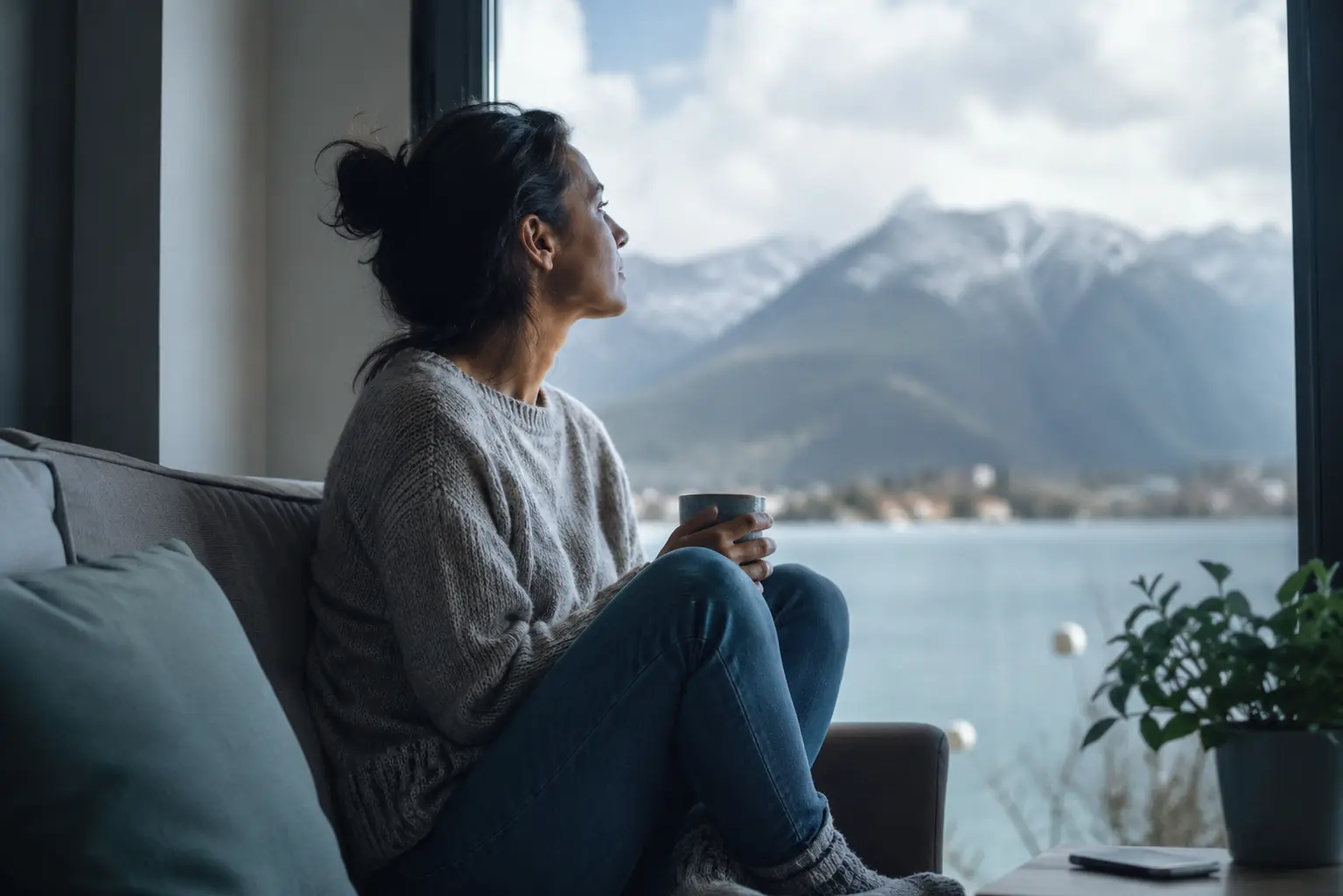
You feel the weight of too much noise, too many demands, too many voices in your head, and what you really need is permission to be alone without feeling guilty about it, because healthy loneliness habits aren’t about isolation, they’re about reclaiming your peace.
The science behind healthy loneliness habits
Research from neuroscience and psychology reveals that solitude activates specific regions of the brain associated with self-reflection and emotional processing. When a senior spends time alone, the brain enters what researchers call the default mode network, a state where introspection naturally occurs. Consider Margaret, a 68-year-old retired teacher who noticed that her anxiety decreased significantly after she began dedicating 20 minutes each morning to quiet reflection. Brain imaging studies show that this kind of intentional solitude strengthens neural pathways related to emotional regulation and self-awareness. The prefrontal cortex, responsible for decision-making and emotional control, becomes more active during periods of meaningful alone time. Unlike loneliness, which is painful and involuntary, healthy solitude is chosen and restorative. Neurotransmitters like serotonin and dopamine naturally stabilize during quiet periods, contributing to improved mood and mental clarity. This biological process explains why many seniors report feeling more grounded and emotionally stable after embracing solitude as a regular practice.
Benefits of practicing solitude skills
Solitude offers seniors a rare opportunity to step away from external demands and reconnect with their inner world. When you spend time alone intentionally, your mind gets a chance to consolidate memories, process emotions, and generate creative insights. Think of it like your brain’s maintenance cycle, similar to how a computer needs downtime to optimize its systems. Many seniors discover that their problem-solving abilities sharpen after periods of quiet reflection, because the mind isn’t constantly processing external stimuli. Creative thinking flourishes in solitude, whether that’s through writing, painting, gardening, or simply daydreaming. The sense of inner peace that emerges from healthy solitude isn’t just a feeling, it’s measurable in reduced cortisol levels and lower blood pressure. Seniors who practice regular solitude often report improved sleep quality, reduced anxiety, and a stronger sense of personal identity. One 72-year-old participant in a longevity study noted that her daily hour of solitude became her anchor point, the thing that made everything else in her life feel more manageable and meaningful.
Developing healthy solitude habits
Building a sustainable solitude practice requires intention and consistency, not perfection. Start by identifying what time of day feels most natural for you, whether that’s early morning before the household wakes up or late afternoon when energy naturally dips. Some seniors find that their best solitude happens during a morning walk, others during a quiet cup of tea on the porch. The key is choosing activities that genuinely bring you peace rather than forcing yourself into silence if that feels uncomfortable. Experiment with different durations, starting with just 10 minutes if that’s all you can manage, then gradually extending as the practice becomes more natural. Common mistakes include trying to be productive during solitude time, checking your phone, or feeling guilty about taking time for yourself. Instead, view this time as non-negotiable self-care, as important as taking your medications. Some seniors benefit from creating a dedicated space, even if it’s just a comfortable chair by a window, that signals to their mind and body that this is solitude time.
- Allocate at least 10 to 15 minutes daily for quiet reflection, choosing a consistent time that works with your natural rhythms.
- Explore hobbies like painting, reading, gardening, or journaling that uplift your spirits and feel genuinely restorative.
- Attend mindfulness classes or use meditation apps designed for seniors to enhance your solitary experience and deepen self-awareness.
🔬 Science-backed benefits in 2 minuteschoose where to begin:
Maintaining social connections alongside solitude
The goal isn’t to choose between solitude and social connection, it’s to create a healthy rhythm between both. Research consistently shows that seniors who balance alone time with meaningful relationships experience better health outcomes than those who do either exclusively. Think of it like a musical composition that needs both notes and silence to create beauty. A 70-year-old widow discovered that after spending her mornings in solitude, she had more emotional energy and genuine presence for her weekly lunch with friends. The solitude recharged her, making her social interactions more authentic and satisfying. Isolation, which is involuntary and distressing, differs fundamentally from solitude, which is chosen and restorative. Many seniors find that their solitude practice actually enhances their relationships because they’re less needy and more grounded when they interact with others. The sweet spot seems to be roughly 60 to 70 percent of time engaged in meaningful activities and relationships, with 30 to 40 percent reserved for solitude and personal reflection.
Psychological impact of healthy loneliness habits
The psychological benefits of intentional solitude extend far beyond feeling peaceful in the moment. Seniors who practice healthy solitude skills develop stronger self-awareness, meaning they understand their own values, triggers, and emotional patterns more clearly. This heightened self-knowledge translates into better decision-making and more authentic relationships. Emotional intelligence, the ability to recognize and manage your own emotions and understand others, naturally improves through regular introspection. Resilience, that crucial capacity to bounce back from life’s difficulties, strengthens when you spend time understanding your own inner resources. A 75-year-old man who had struggled with depression found that his daily solitude practice, combined with professional support, gave him tools to recognize negative thought patterns before they spiraled. Studies tracking seniors over several years show that those with consistent solitude practices report higher life satisfaction scores and lower rates of anxiety and depression. The cumulative effect is profound, creating a foundation of inner stability that supports every other aspect of aging well.
Embracing solitude as a source of strength
Reframing solitude from something you do when you have no other choice into something you actively choose transforms your relationship with alone time. Many seniors grew up in cultures or families that equated solitude with loneliness or selfishness, so giving yourself permission to embrace it can feel revolutionary. This shift in perspective is powerful because it moves solitude from a deficit state to a resource state. When you view solitude as a tool for personal growth and self-discovery, you tap into its genuine potential to enhance mental well-being and cultivate inner peace. A 69-year-old grandmother realized that her daily solitude practice wasn’t selfish, it was actually the thing that made her a better grandmother because she showed up more present and patient. By honoring your need for alone time, you’re not withdrawing from life, you’re actually strengthening your capacity to engage with it more fully. This perspective shift often happens gradually, but once it takes root, it becomes a source of genuine strength and contentment.
Scientific research underscores the importance of solitude skills for seniors, highlighting benefits such as enhanced mental well-being, improved emotional regulation, and personal growth. Embracing healthy loneliness habits can lead to improved emotional stability, creativity, and overall life satisfaction when balanced with meaningful social connections.
How often should seniors practice healthy solitude habits?
Seniors are encouraged to dedicate at least 10 to 15 minutes daily to engage in solitude activities that bring them joy and relaxation. The frequency matters less than consistency, so establishing a daily practice, even if brief, provides more benefit than occasional longer periods. Finding a balance between alone time and social interactions is key for overall well-being and mental health.
Can embracing solitude improve mental health in seniors?
Yes, practicing healthy loneliness habits can have a positive impact on mental health for seniors. It fosters self-awareness, emotional resilience, and a sense of inner peace, leading to greater life satisfaction. Research shows that intentional solitude reduces stress hormones, improves sleep quality, and strengthens emotional regulation when practiced consistently as part of a balanced lifestyle.
Others also read:
Disclaimer: This article is for informational purposes only and is not a substitute for professional medical advice. Always consult a healthcare professional for personal guidance.
This article has been prepared and reviewed by the GlobalHealthBeacon editorial team and is based on current medical research and published scientific literature available in 2026. It provides structured, evidence-based information to support informed health decisions.
