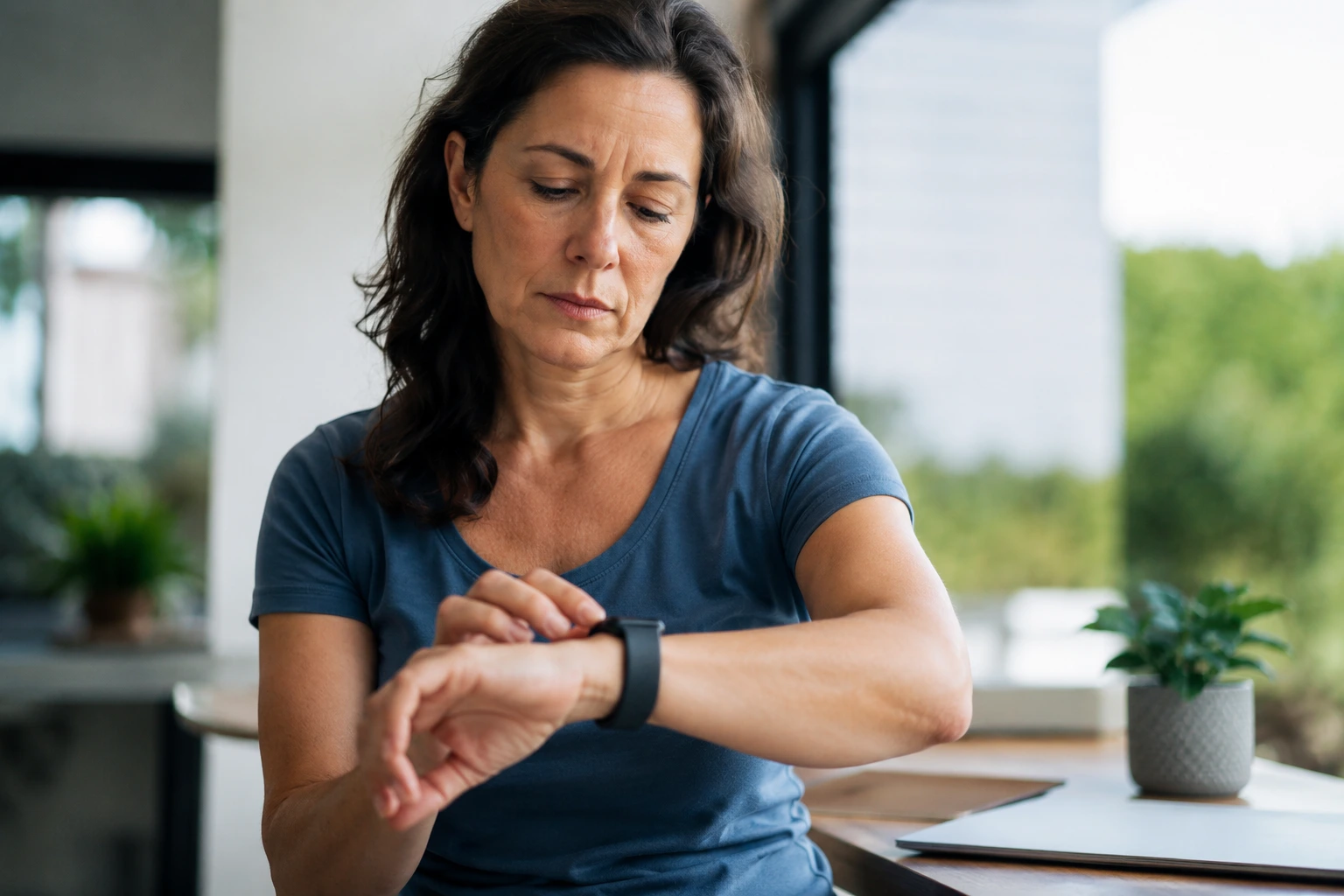
You’re scrolling through your day when your wrist buzzes with a heart rate alert, and suddenly you’re wondering if something’s actually wrong or if you’re just overthinking it—smartwatch health alerts are supposed to help, but they can also trigger real anxiety when you don’t understand what they mean.
Understanding smartwatch health alerts
Smartwatch health alerts work by continuously monitoring your body’s vital signs and comparing them against baseline patterns your device learns over time. When something deviates from your normal range, the watch sends you a notification. Think of it like having a quiet observer on your wrist that knows your body better than you do. For example, if your resting heart rate typically hovers around 60 beats per minute but suddenly spikes to 100 while you’re sitting at your desk, your watch flags this. These alerts track heart rate variability, irregular rhythms, sleep disruptions, and stress accumulation throughout your day. The technology uses sensors to detect patterns you might miss on your own, especially those subtle shifts that happen gradually. Young adults often benefit from this because you’re building baseline health data now that becomes increasingly valuable as you age.
- Receive immediate notifications when vital signs deviate from normal ranges
- Track sleep quality and patterns to optimize rest and recovery
- Monitor stress levels throughout the day for improved mental wellness
Setting up health alerts on your smartwatch
Start by downloading the companion app that matches your smartwatch brand, then create an account and sync your device. Most watches require you to input basic information like age, gender, weight, and fitness level so the algorithms can establish what’s normal for you specifically. Next, navigate to the health settings and enable the specific alerts you want to receive. You’ll see options for heart rate alerts, sleep tracking, stress monitoring, and sometimes blood oxygen levels. Customize the thresholds for each alert type based on your comfort level. For instance, if you know you have a naturally higher resting heart rate, adjust that threshold upward so you don’t get false alarms. Grant all necessary permissions for the app to access your health data. Take time to review the notification settings too, deciding whether you want alerts on your phone, watch, or both. A common mistake young adults make is enabling every possible alert and then feeling overwhelmed by constant notifications. Start with two or three key metrics that matter most to you.
📘 Fix your day in under 2 minuteschoose where to begin:
Interpreting smartwatch health alerts
When an alert pops up, your first instinct might be panic, but context is everything. An elevated heart rate alert during a workout means something completely different than one while you’re resting. Open your smartwatch app and look at the accompanying data visualization, which usually shows your heart rate trend over the past few hours or days. This helps you spot whether the alert was a one-time spike or part of a pattern. Many apps include explanations for what triggered the alert, like ‘elevated resting heart rate detected’ or ‘irregular heart rhythm.’ If you see a single anomaly surrounded by normal readings, it’s likely a sensor glitch or a temporary response to caffeine, stress, or exercise. However, if you notice the same alert repeating over several days, that’s worth investigating further. Keep a simple log of when alerts occur and what you were doing at the time. Were you stressed about work? Did you skip sleep? Were you sick? These correlations help you understand whether the alert reflects a real health concern or just your body responding normally to life circumstances.
Taking action on health alerts
Not every alert demands immediate action, but repeated or severe alerts do. If you get a single elevated heart rate notification and feel fine, monitor it for a few days before doing anything. If the same alert keeps triggering, or if you experience physical symptoms like chest pain, shortness of breath, or dizziness alongside the alert, contact a healthcare provider. Bring your smartwatch data with you to appointments. Most doctors now appreciate when patients show up with objective health data because it gives them a clearer picture of what’s happening. Don’t rely solely on your smartwatch to diagnose anything, but do use it as a conversation starter with your doctor. For stress and sleep alerts, the action steps are often lifestyle-based. A stress alert might prompt you to take a 10-minute walk or try a breathing exercise. A sleep alert might mean you need to adjust your bedtime or reduce screen time before bed. The key is treating these alerts as signals to investigate, not as definitive diagnoses. Young adults especially should avoid spiraling into health anxiety over every notification. Instead, view alerts as data points that help you make smarter choices about your daily habits.
Embracing a proactive approach to health
Smartwatch health alerts shift you from reactive to proactive thinking about your body. Instead of waiting until something feels seriously wrong to pay attention, you’re now noticing patterns and trends weeks or months before they might become problems. This is powerful for young adults who often feel invincible and skip regular health checkups. Your smartwatch becomes a bridge between your daily choices and your long-term health outcomes. You start to see how late nights affect your resting heart rate, how stress impacts your sleep quality, or how skipping exercise changes your overall metrics. Over time, this awareness naturally nudges you toward better habits without feeling restrictive. You’re not following someone else’s health rules; you’re responding to your own body’s feedback. The goal isn’t to obsess over every metric but to use the data as motivation for sustainable lifestyle changes. When you see that consistent exercise actually lowers your stress levels, or that prioritizing sleep improves your next day’s performance, you’re building intrinsic motivation to keep those habits going.
Smartwatch health alerts provide real-time monitoring of vital signs, sleep patterns, and stress levels, empowering users to take charge of their health. By setting up personalized alerts and interpreting the data accurately, individuals can adopt a proactive approach to wellness.
Are Smartwatch Health Alerts Reliable?
Smartwatch health alerts are reliable for monitoring trends and detecting deviations in vital signs, sleep patterns, and stress levels. However, they should be used as a supplementary tool and not a substitute for professional medical advice.
Can Smartwatch Health Alerts Diagnose Medical Conditions?
Smartwatch health alerts are designed to provide insights into health metrics and trigger notifications based on pre-set parameters. While they can indicate deviations, a medical diagnosis should only be made by a qualified healthcare professional.
Disclaimer: This article is for informational purposes only and is not a substitute for professional medical advice. Always consult a healthcare professional for personal guidance.
This guide has been prepared and reviewed by the GlobalHealthBeacon editorial team and reflects current medical research as of 2026. It provides structured, evidence-based information to support informed health decisions.
