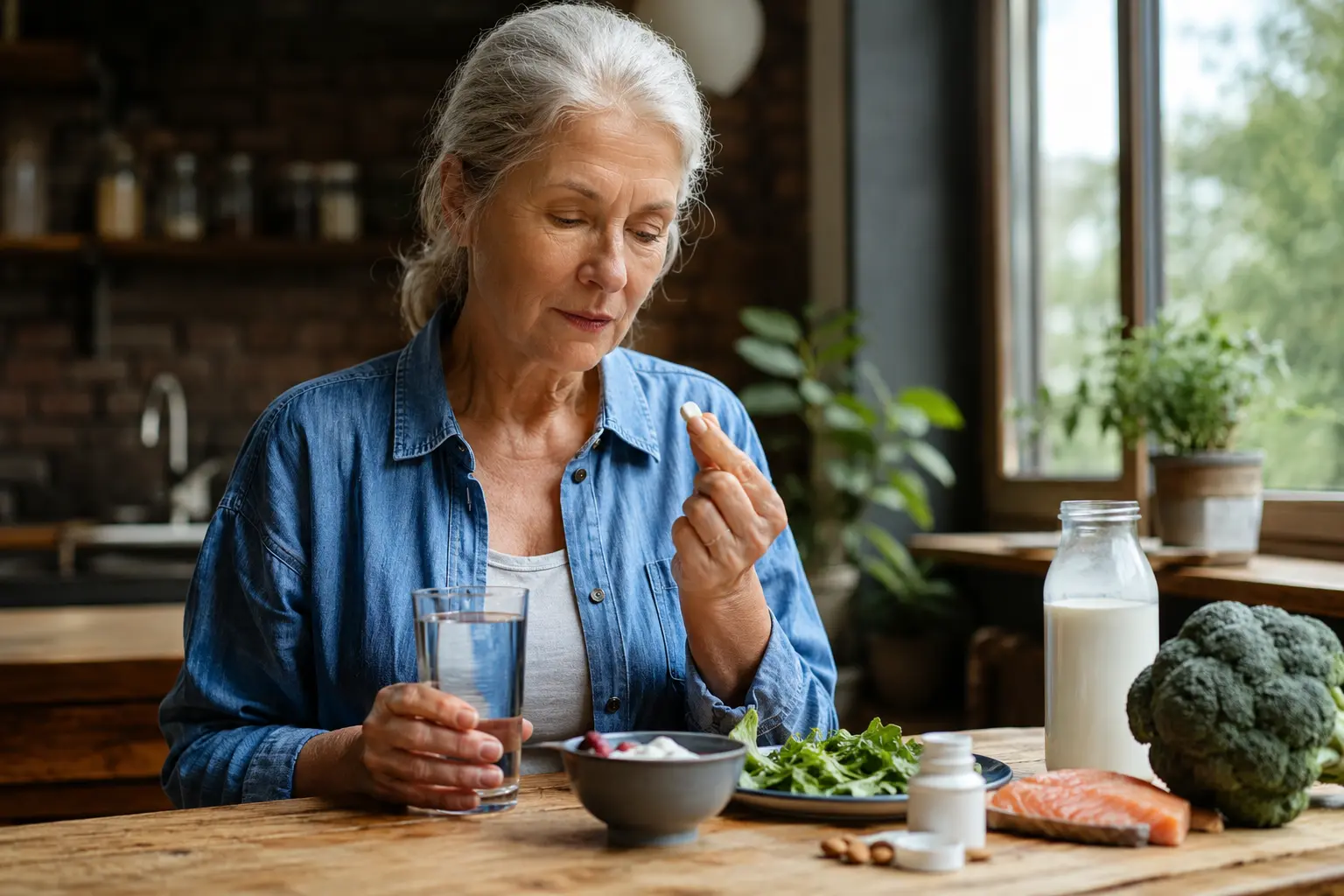
Your bones are getting weaker and you can feel it, and nobody’s really explaining what’s happening or what you can actually do about it, but this bone density treatment guide breaks down exactly how your skeleton changes with age and what science says really works.
Understanding bone density
Bone density refers to the amount of mineral content packed into your bones, essentially measuring how tightly the bone material is organized. Think of it like the difference between a dense piece of hardwood and balsa wood, both are wood but one is far more resistant to breaking. Your bones contain calcium, phosphorus, and other minerals that give them their strength and rigidity. As we age, particularly after 50, the body naturally loses bone density at an accelerating rate. This happens because bone is living tissue that constantly breaks down and rebuilds itself, a process called remodeling. In younger years, new bone is created faster than old bone is removed, building up bone mass. But as we enter our senior years, bone loss outpaces bone formation. Women experience a sharper decline after menopause due to dropping estrogen levels, which play a crucial role in maintaining bone density. Men experience a more gradual decline but still face significant bone loss over time. Understanding this natural process helps explain why fractures become more common and why preventive measures matter so much.
Factors influencing bone density
Your bone density is shaped by a complex interplay of factors, some within your control and others determined by your genetics and life history. Family history plays a foundational role, as your genes influence how much peak bone mass you achieve in your thirties and how quickly you lose it later. Hormonal changes are equally significant, particularly the decline in estrogen and testosterone that comes with aging. Calcium and vitamin D intake directly affects your bones’ ability to maintain mineral content, which is why dietary choices made throughout your life accumulate into your current bone health. Physical activity, especially weight-bearing exercise that forces your muscles to pull on bones, stimulates bone cells to maintain and build density. Lifestyle habits like smoking and excessive alcohol consumption actively damage bone health by interfering with bone formation and increasing bone loss rates. Other factors include your body weight, certain medications like corticosteroids, and underlying health conditions such as thyroid disorders or digestive issues that affect nutrient absorption. A 65-year-old woman who was sedentary, smoked for decades, and had limited calcium intake faces very different bone health outcomes than a peer who exercised regularly, never smoked, and maintained good nutrition.
Effective strategies for bone health
Building and maintaining bone density requires a coordinated approach that addresses multiple factors simultaneously. First, ensure adequate calcium and vitamin D intake through diet or supplements, as these minerals form the literal foundation of bone structure. Calcium-rich foods include dairy products, leafy greens like kale and collard greens, fortified plant-based milks, and canned fish with bones. Vitamin D is equally critical because it enables your intestines to absorb calcium effectively, and many seniors have insufficient levels due to reduced sun exposure and aging skin’s decreased ability to synthesize vitamin D. Second, engage in weight-bearing exercises like walking, jogging, dancing, or aerobics at least 150 minutes per week, as these activities create mechanical stress on bones that triggers strengthening responses. Resistance training with light weights or resistance bands also helps by building muscle strength, which protects bones during falls. Third, avoid smoking entirely and limit alcohol to moderate levels, as both substances interfere with bone formation and increase fracture risk. A practical example: a 70-year-old man who started walking 30 minutes daily, added a calcium-rich yogurt to his breakfast, and quit smoking after 40 years saw measurable improvements in bone density within two years.
- Increase calcium and vitamin D intake
- Engage in weight-bearing exercises
- Quit smoking and limit alcohol consumption
🔬 Science-backed benefits in 2 minuteschoose where to begin:
Nutrition and bone health
Your bones are not static structures but rather dynamic tissues that require consistent nutritional support to maintain their mineral density and strength. Calcium is the primary mineral component of bone, and seniors need 1000 to 1200 milligrams daily depending on gender and age. Beyond calcium, your bones also depend on vitamin D for calcium absorption, magnesium for bone structure, phosphorus for mineralization, and vitamin K for bone protein activation. A practical daily approach might look like this: start with a cup of fortified milk or plant-based alternative at breakfast, add a handful of almonds and leafy greens to lunch, include a serving of salmon or sardines at dinner, and snack on cheese or yogurt. These foods provide overlapping nutrients rather than relying on single sources. Many seniors make the mistake of taking calcium supplements without vitamin D, which severely limits absorption. Others consume adequate calcium but neglect magnesium and vitamin K, missing important pieces of the bone health puzzle. The research consistently shows that whole-food sources provide better nutrient bioavailability than supplements alone, though supplements can fill genuine gaps. A 68-year-old woman who shifted from processed foods to a Mediterranean-style diet rich in vegetables, fish, nuts, and olive oil reported feeling stronger and more stable within months.
Medical interventions for bone health
When lifestyle modifications alone are insufficient, healthcare providers have evidence-based pharmaceutical options to slow bone loss or improve bone density. Bisphosphonates are the most commonly prescribed class, working by slowing the rate at which bone is broken down, allowing new bone formation to catch up. These medications require specific administration protocols, typically taken on an empty stomach with a full glass of water while remaining upright for 30 minutes. Hormone-related therapies like estrogen or testosterone replacement may be considered in specific situations, though they carry individual risks and benefits that require careful discussion. Other options include selective estrogen receptor modulators, which mimic estrogen’s beneficial effects on bone without some associated risks, and newer medications that actually stimulate bone formation rather than just slowing loss. Denosumab is a monoclonal antibody that reduces bone loss and is administered as an injection every six months. The decision to use medication depends on bone density test results, fracture risk assessment, age, overall health status, and personal preferences. A 72-year-old man with osteoporosis and a previous hip fracture might benefit from medication combined with exercise, while a 65-year-old woman with borderline low bone density might manage with aggressive lifestyle changes alone. These decisions require thorough discussion with a healthcare provider who understands your complete medical picture.
Lifestyle modifications for strong bones
The foundation of lifelong bone health rests on daily lifestyle choices that accumulate over years and decades into measurable differences in bone strength and fracture risk. Regular exercise should include both weight-bearing activities like walking, dancing, or hiking that work against gravity, and resistance training that builds muscle strength and bone resilience. A healthy weight matters because being significantly underweight increases fracture risk, while excess weight can mask underlying bone density problems. Maintaining a balanced diet with adequate protein supports muscle maintenance, which protects bones during falls and everyday activities. Avoiding smoking eliminates a major factor that accelerates bone loss and impairs bone healing. Limiting alcohol to no more than one drink daily for women and two for men prevents the toxic effects of excessive alcohol on bone formation. Fall prevention becomes increasingly important with age, so consider removing tripping hazards at home, improving lighting, wearing appropriate footwear, and maintaining balance through activities like tai chi or yoga. A realistic example: a 75-year-old couple who started taking evening walks together, joined a gentle strength class twice weekly, improved their home safety by removing throw rugs, and made conscious dietary improvements experienced fewer falls and greater confidence in their daily activities. These modifications work synergistically, each reinforcing the others.
Enhancing senior bone health requires a multifaceted approach involving adequate nutrition, weight-bearing exercises, and lifestyle modifications. Consulting a healthcare provider for personalized recommendations is crucial.
How can I naturally improve my bone density?
You can naturally improve your bone density by consuming a diet rich in calcium, vitamin D, magnesium, and phosphorus, participating in weight-bearing exercises, and avoiding smoking and excessive alcohol consumption.
Are there any natural remedies for increasing bone density?
While a balanced diet and exercise are crucial for bone health, no specific natural remedies have been scientifically proven to significantly increase bone density. Consult with a healthcare provider for personalized recommendations.
Others also read:
Disclaimer: This article is for informational purposes only and is not a substitute for professional medical advice. Always consult a healthcare professional for personal guidance.
This article has been prepared and reviewed by the GlobalHealthBeacon editorial team and is based on current medical research and published scientific literature available in 2026. It provides structured, evidence-based information to support informed health decisions.
