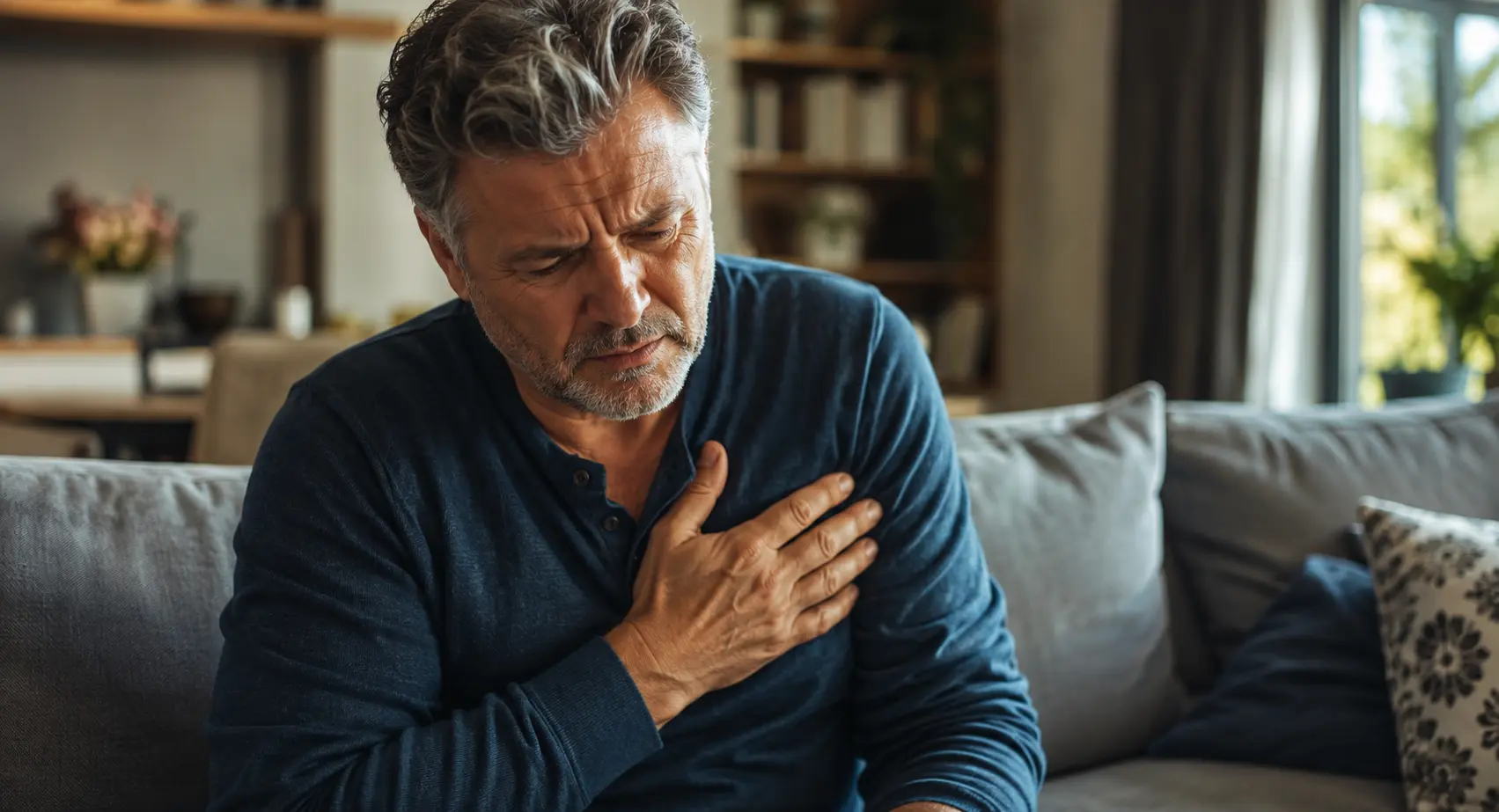
Your heart suddenly feels like it’s racing or skipping beats right after you eat, and it’s genuinely unsettling – but here’s the thing: heart palpitations after eating are far more common than you think, and understanding what’s triggering them is your first step toward feeling normal again.
Causes of heart palpitations after eating
Heart palpitations after eating can stem from multiple sources, and pinpointing yours is like detective work. Caffeine and nicotine are obvious culprits, but stress during meals plays a bigger role than most people realize. When you’re anxious or rushing through lunch, your nervous system goes into overdrive, causing your heart to race. Food sensitivities are another layer – some people’s bodies react strongly to certain ingredients, triggering irregular heartbeats. Then there are underlying medical conditions like arrhythmias or acid reflux, which can mimic or actually cause palpitations. A 25-year-old might notice palpitations after their third coffee of the day, while another person experiences them after spicy takeout due to GERD. The key is recognizing patterns. Did it happen after that energy drink? After eating too quickly? After a stressful work meeting where you grabbed food? These details matter because they help you narrow down what’s actually happening in your body.
- Consumption of stimulants like caffeine or nicotine
- Stress or anxiety during meal times
- Food sensitivities or allergies
- Underlying medical conditions such as arrhythmias or GERD
Tips to manage heart palpitations
Managing palpitations starts with practical changes you can implement immediately. Smaller, more frequent meals prevent your digestive system from overworking, which can trigger heart irregularities. Instead of three large meals, try five smaller ones spread throughout the day. Identify and avoid your personal trigger foods – keep a simple food diary for two weeks, noting what you ate and when palpitations occurred. Hydration matters more than you’d think; dehydration concentrates electrolytes and can cause irregular heartbeats. Aim for consistent water intake throughout the day, not just when you’re thirsty. Relaxation techniques like deep breathing before meals calm your nervous system. Try the 4-7-8 technique: breathe in for four counts, hold for seven, exhale for eight. Regular exercise, even 20-minute walks, strengthens your cardiovascular system and reduces overall anxiety. The combination of these habits creates a buffer against palpitations, and most people notice improvements within two to three weeks of consistent effort.
📘 Fix your day in under 2 minuteschoose where to begin:
When to seek medical advice
Occasional heart palpitations after eating are usually harmless, but certain warning signs demand immediate attention. If you experience chest pain, dizziness, shortness of breath, or fainting alongside palpitations, contact a healthcare provider right away. Persistent palpitations that happen multiple times weekly, even without other symptoms, warrant evaluation. A doctor can run an EKG or heart monitor test to rule out arrhythmias or other cardiac issues. Don’t dismiss symptoms because you’re young – some heart conditions have no age limit. If palpitations last longer than a few minutes, feel different from previous episodes, or are accompanied by nausea or sweating, seek medical attention. Your healthcare provider might recommend dietary adjustments, medication, or lifestyle changes based on their findings. Think of this as getting clarity rather than overreacting; knowing you’re healthy is worth the visit, and if something does need treatment, catching it early makes all the difference.
Understanding the connection between diet and palpitations
Your diet directly influences your heart’s rhythm, and certain foods are notorious palpitation triggers. Caffeinated beverages like coffee, energy drinks, and strong tea stimulate your heart rate and can cause skipping or racing sensations. Alcohol dehydrates you and disrupts electrolyte balance, both of which affect heart rhythm. Spicy foods can trigger acid reflux, which physically irritates nerves near your heart, creating the sensation of palpitations. Processed foods loaded with sodium and additives stress your cardiovascular system. A real example: a 23-year-old might feel fine with one coffee but experience palpitations after two, depending on their sensitivity. Keeping a detailed food diary for three weeks helps identify your specific triggers. Note not just what you ate, but how much, when, and your stress level at the time. Some people find that eating too quickly causes palpitations regardless of food choice, because rapid eating increases stomach distension and pressure on the heart. Once you identify your triggers, eliminating or reducing them becomes straightforward, and most people see noticeable improvements in symptom frequency.
Practicing relaxation techniques for relief
Stress and anxiety amplify palpitations, so managing your nervous system is essential. Deep breathing activates your parasympathetic nervous system, the part that tells your body to relax. Before meals, spend two minutes doing slow, intentional breathing – this primes your body for digestion without stress. Yoga combines breathing with gentle movement, reducing both physical and mental tension. Even 10 minutes of yoga three times weekly shows measurable improvements in heart rate variability. Meditation doesn’t require sitting in silence for hours; five minutes of guided meditation before breakfast can shift your entire day’s stress baseline. Tai chi offers similar benefits with flowing movements that feel meditative. Progressive muscle relaxation, where you tense and release muscle groups, helps you recognize tension patterns. Many young adults find that dedicating 15 minutes daily to one of these practices significantly reduces palpitation frequency within weeks. The consistency matters more than the technique – pick what feels natural to you and stick with it. Over time, these practices become automatic stress-management tools that protect your heart health.
Heart palpitations after eating can stem from various factors such as stimulants, stress, food sensitivities, or underlying issues. By identifying triggers, making dietary adjustments, and managing stress, you can often alleviate these symptoms. Persistent or severe palpitations warrant medical evaluation.
Are heart palpitations after eating a cause for concern?
While occasional heart palpitations after eating are common and usually harmless, persistent or severe symptoms should prompt a visit to a healthcare provider for evaluation.
How can I differentiate benign palpitations from serious ones?
Benign palpitations are typically brief and resolve on their own, while serious ones may be accompanied by symptoms like chest pain, dizziness, or fainting. Consulting a healthcare professional can help differentiate the two.
Disclaimer: This article is for informational purposes only and is not a substitute for professional medical advice. Always consult a healthcare professional for personal guidance.
This guide has been prepared and reviewed by the GlobalHealthBeacon editorial team and reflects current medical research as of 2026. It provides structured, evidence-based information to support informed health decisions.
