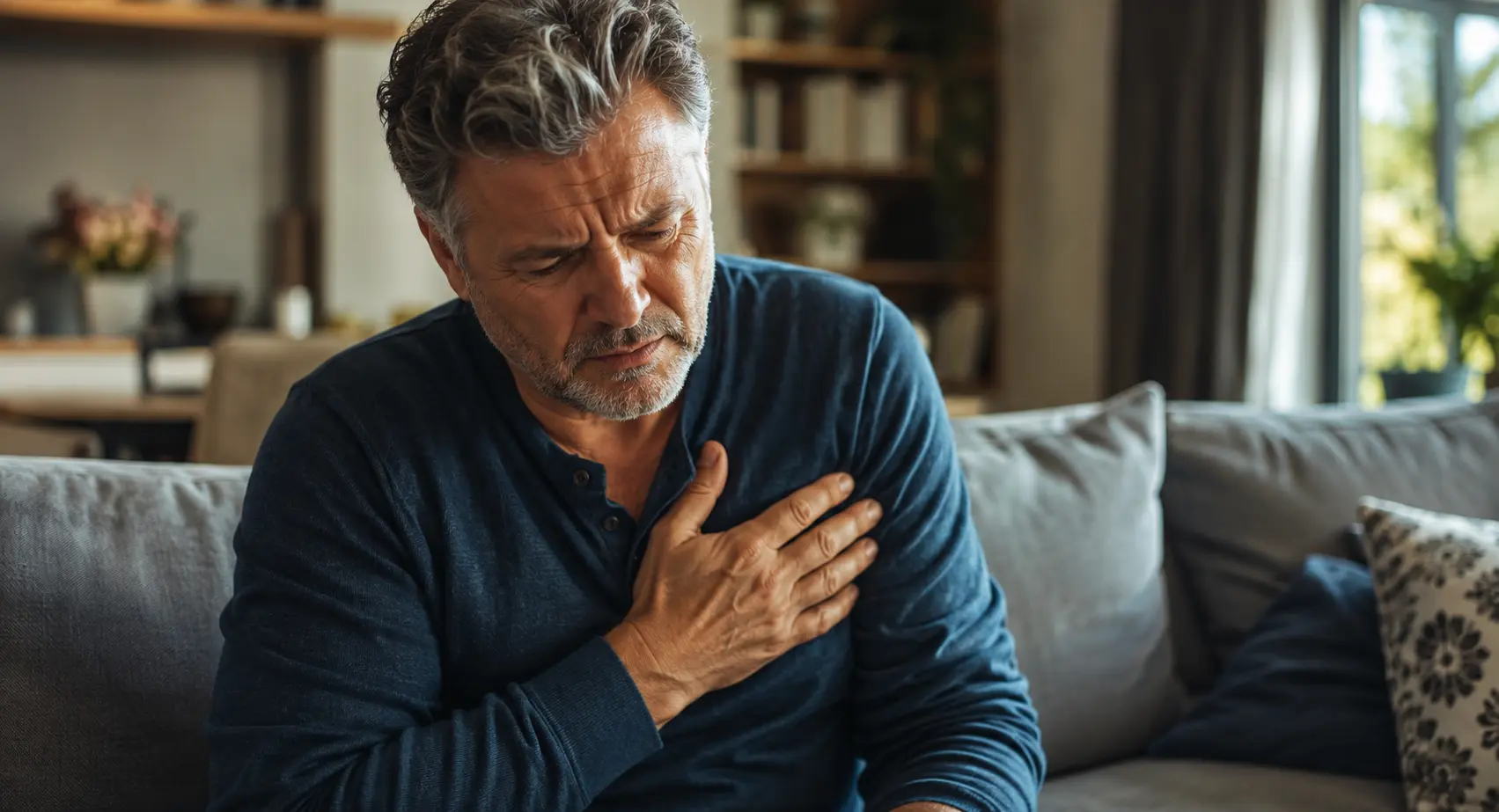
Your chest suddenly feels like it’s racing or skipping beats right after you finish a meal, and you’re left wondering if something is seriously wrong with your heart palpitations after eating.
Understanding heart palpitations after eating
Heart palpitations after eating can feel alarming, but they’re more common than you might think, especially among women. Your heart may skip a beat, flutter, or race for a few seconds to several minutes after a meal, and the experience varies widely from person to person. Some women describe it as a gentle flutter in their chest, while others feel a forceful pounding that makes them acutely aware of every heartbeat. The underlying causes are often benign and manageable. Caffeine in coffee or tea can trigger palpitations because it stimulates your nervous system and increases heart rate. Food allergies or sensitivities may cause your body to release stress hormones that affect your heart rhythm. Anxiety and stress, which many women experience around eating or body image, can also play a significant role. Additionally, hormonal fluctuations during your menstrual cycle, perimenopause, or menopause can make your heart more sensitive to triggers. Understanding that these episodes are typically not dangerous is the first step toward managing them effectively and reducing the fear that often accompanies them.
- Keep a detailed food and symptom diary for at least two weeks to identify which specific foods, drinks, or eating patterns trigger your palpitations.
- Drink at least eight glasses of water daily and eat balanced meals with protein, healthy fats, and complex carbohydrates to stabilize blood sugar and heart function.
- Practice daily stress reduction through yoga, deep breathing exercises, progressive muscle relaxation, or mindfulness meditation for at least 10 to 15 minutes.
Identifying potential triggers
Pinpointing what causes your heart palpitations after eating requires detective work and patience. Spicy foods can increase your heart rate and blood pressure temporarily, especially if your digestive system is sensitive. High-sugar snacks and refined carbohydrates cause rapid blood sugar spikes that trigger adrenaline release, making your heart race. Heavy, large meals force your digestive system to work harder, diverting blood flow and sometimes causing palpitations as your body adjusts. Alcohol, particularly on an empty stomach or in combination with certain foods, can disrupt your heart rhythm. Processed foods high in sodium and additives may also contribute to episodes. Consider this scenario: Sarah, a 42-year-old woman, noticed her palpitations always occurred after her afternoon coffee with a pastry. By switching to decaf and pairing her snack with protein and fiber, her symptoms improved significantly. A food diary helps you spot patterns you might otherwise miss. Write down everything you eat and drink, the time, your stress level, and when palpitations occur. After two to three weeks, you’ll likely see clear connections between specific foods or situations and your symptoms, giving you concrete information to discuss with your healthcare provider.
📘 Fix your day in under 2 minuteschoose where to begin:
Seeking professional guidance
While most heart palpitations after eating are harmless, certain situations warrant a medical evaluation. If your palpitations persist for more than a few minutes, occur multiple times daily, or are accompanied by chest pain, shortness of breath, dizziness, or fainting, schedule an appointment with your doctor or cardiologist promptly. Your healthcare provider will take a complete medical history, ask detailed questions about your symptoms, and may recommend tests such as an electrocardiogram (EKG) to record your heart’s electrical activity, a Holter monitor to track your heart rhythm over 24 to 48 hours, or an echocardiogram to visualize your heart structure. These tests can rule out serious conditions like arrhythmias, thyroid disorders, or structural heart problems. Don’t minimize your concerns or feel embarrassed discussing them. Women’s heart health is often overlooked in medical settings, so being thorough and advocating for yourself is essential. Bring your food diary to your appointment so your provider can see the patterns you’ve identified. This information, combined with professional testing, creates a complete picture and allows your doctor to give you personalized recommendations rather than generic advice.
Lifestyle modifications for heart health
Beyond identifying triggers, adopting heart-healthy habits significantly reduces the frequency and severity of palpitations after eating. Regular aerobic exercise like brisk walking, swimming, or cycling for at least 150 minutes per week strengthens your heart and improves its efficiency, making it less prone to irregular rhythms. Strength training two to three times weekly supports overall cardiovascular health. Quality sleep of seven to nine hours nightly is crucial because sleep deprivation increases stress hormones and heart sensitivity. Create a consistent sleep schedule, keep your bedroom cool and dark, and avoid screens an hour before bed. Stress management is equally important. Women often juggle multiple responsibilities, and chronic stress elevates cortisol levels, which can trigger palpitations. Yoga combines physical movement with breathing techniques that calm your nervous system. Meditation, even just five minutes daily, reduces anxiety and heart reactivity. Consider limiting caffeine to one cup of coffee or tea daily or eliminating it entirely if you’re sensitive. Reduce alcohol consumption and avoid eating large meals close to bedtime. These modifications work synergistically to create an environment where your heart functions more smoothly and palpitations become less frequent.
When to take action
Recognizing when heart palpitations after eating require immediate attention versus when they’re manageable is important for your peace of mind and safety. If palpitations become frequent, occurring several times daily or multiple times weekly, they’re disrupting your quality of life or causing significant anxiety, or they’re accompanied by new or worsening symptoms, contact your healthcare provider. Seek emergency care immediately if you experience severe chest pain, difficulty breathing, loss of consciousness, or palpitations lasting more than 30 minutes. Don’t wait and hope symptoms resolve on their own if they’re escalating. Many women delay seeking help because they worry about bothering their doctor or fear they’re overreacting, but your symptoms are valid and deserve evaluation. Document your episodes carefully, noting the date, time, duration, what you ate, your stress level, and any other symptoms. This documentation is invaluable for your doctor and helps them make an accurate diagnosis. Once you have professional guidance and understand your specific situation, you can take targeted action through dietary changes, stress management, medication if needed, or other interventions your doctor recommends. Taking action transforms you from feeling helpless and anxious to feeling informed and in control of your health.
Heart palpitations after eating stem from various sources including dietary choices, stress levels, hormonal fluctuations, and sometimes underlying health conditions. By systematically identifying your personal triggers through careful observation and documentation, seeking professional medical guidance when needed, and adopting heart-healthy lifestyle modifications, you can effectively manage this common concern and restore your confidence in your body.
Can anxiety cause heart palpitations after eating?
Yes, anxiety is a significant trigger for heart palpitations after eating. When you’re anxious, your body releases stress hormones like adrenaline that increase heart rate and can cause irregular rhythms. Managing stress through relaxation techniques such as deep breathing, progressive muscle relaxation, yoga, or meditation can substantially reduce anxiety-related palpitations. If anxiety is severe or persistent, consulting with a mental health professional can provide additional strategies and support.
Are heart palpitations after eating in women a cause for concern?
Occasional heart palpitations after eating are usually harmless and often related to dietary choices, caffeine, stress, or hormonal changes. However, persistent episodes, severe palpitations, or those accompanied by chest pain, shortness of breath, dizziness, or fainting should be evaluated by a healthcare provider to rule out underlying heart conditions or other medical issues. When in doubt, seeking professional evaluation provides reassurance and clarity.
Others also read:
Disclaimer: This article is for informational purposes only and is not a substitute for professional medical advice. Always consult a healthcare professional for personal guidance.
This guide has been prepared and reviewed by the GlobalHealthBeacon editorial team and reflects current medical research as of 2026. It provides structured, evidence-based information to support informed health decisions.
