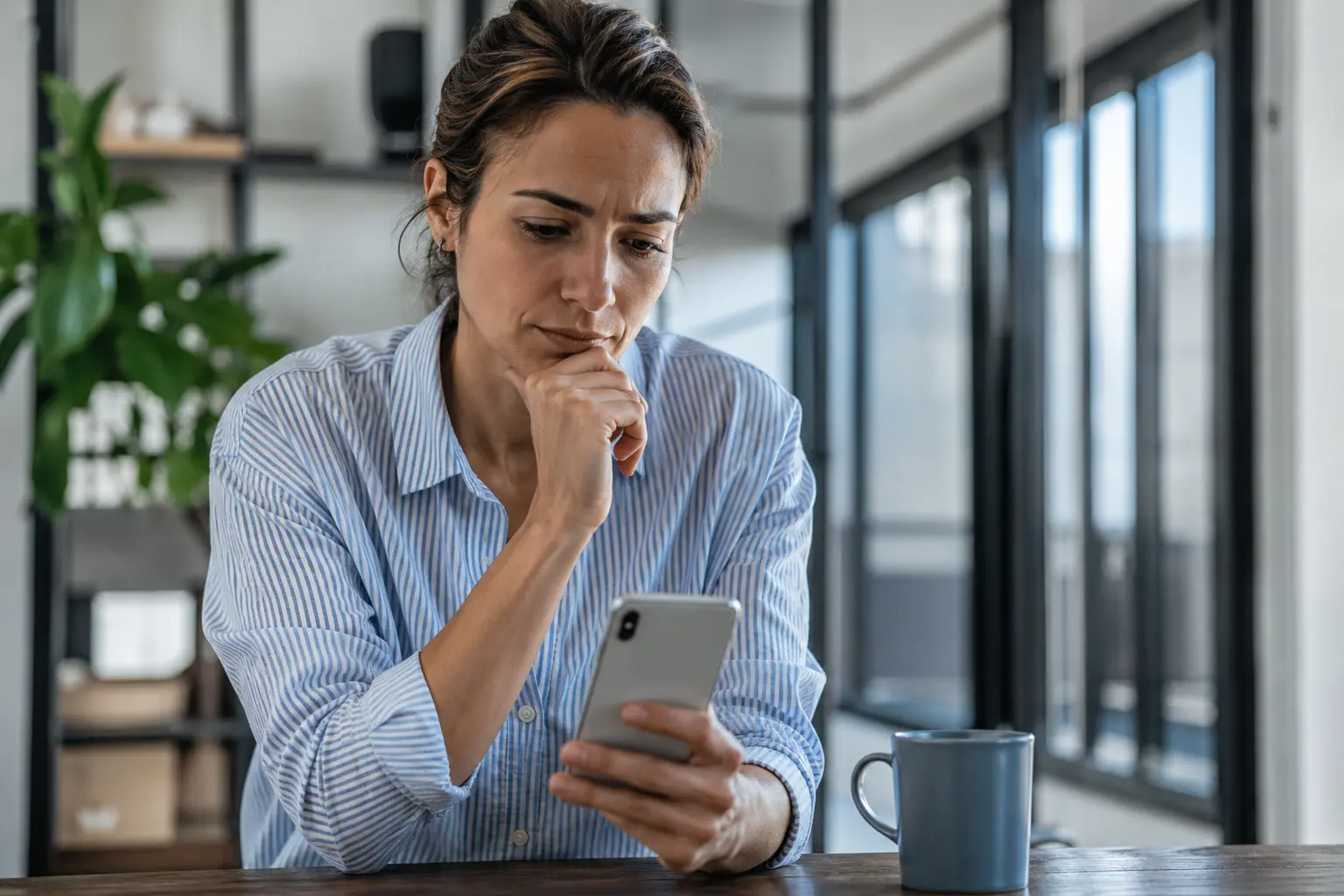
Your health data is being collected, stored, and potentially shared without your knowledge, and most women have no idea how vulnerable their medical records really are.
Understanding health data privacy
Health data privacy is about taking control of who sees your medical information and how it gets used. Think about what your health records contain: details about reproductive health, mental health visits, prescription medications, genetic information, and personal wellness choices. This data is incredibly valuable to hackers, insurance companies, and data brokers. A woman might share her health information with her doctor, only to discover later that a third-party app she downloaded has been selling anonymized data to pharmaceutical companies. Understanding privacy means recognizing that your health records belong to you, not to the platforms or services that store them. When you know what data privacy actually protects, you can make informed decisions about which apps to trust, which websites to avoid, and which healthcare providers deserve your information. The stakes are real: identity theft, insurance discrimination, and breach of your most intimate health details.
- Keep your medical records confidential and only share them with authorized healthcare providers.
- Use secure online portals to access your health information and avoid sharing personal details on unsecured websites.
- Be cautious about providing your health data to third-party apps or websites that may misuse or sell your information.
Creating strong passwords and usernames
Your password is the first line of defense between your health data and someone who wants to access it. Many women use predictable passwords like their child’s birth year or their pet’s name, thinking no one would guess something so personal. But hackers use sophisticated tools that can crack weak passwords in seconds. A strong password for your medical accounts should be at least 12 characters long and combine uppercase letters, lowercase letters, numbers, and symbols. Instead of ‘BirthdayGirl2005’, try something like ‘MyHealthMatters!2024Blue’. Avoid using the same password across multiple health platforms, because if one account gets breached, all your accounts become vulnerable. Consider using a password manager like Bitwarden or 1Password to generate and store complex passwords securely. Write down your master password and store it in a physical safe, not on a sticky note near your computer. This single step eliminates the most common entry point for hackers targeting health data.
📘 Fix your day in under 2 minuteschoose where to begin:
Secure communication channels
When you email your doctor about a sensitive health concern, that message travels across the internet unencrypted unless you take specific steps to protect it. Regular email is like sending a postcard through the mail: anyone handling it can read what you wrote. Encrypted communication channels scramble your message so only the intended recipient can read it. Many healthcare providers now offer secure patient portals where you can message your doctor directly within their encrypted system. If your provider doesn’t offer this, ask them to enable it. When you must share health information via email, look for providers that use end-to-end encryption like ProtonMail or Tutanota. Some platforms like Signal offer encrypted messaging if your healthcare provider uses it. A real scenario: a woman needed to discuss her fertility treatment with her specialist but was hesitant to email sensitive details. She discovered her clinic’s secure portal and felt immediate relief knowing her message was protected. Always verify you’re using the official, secure platform before sharing any health details.
Regularly reviewing privacy settings
Your privacy settings are like locks on your doors, but many women set them once and never check them again. Healthcare platforms, apps, and even your health insurance company’s website have privacy controls buried in settings menus. Start by logging into each health-related account you use and looking for privacy, security, or account settings. Check who has permission to view your information, whether your data is being shared with third parties, and what data is being collected about your behavior. Enable two-factor authentication wherever it’s available, which requires a second verification step (usually a code sent to your phone) before anyone can access your account. Review these settings every three to six months because companies frequently update their policies. A woman discovered her fitness app was sharing her health data with her employer’s wellness program without her explicit consent. After reviewing her privacy settings, she disabled the integration and regained control. Make a calendar reminder to audit your accounts quarterly. This proactive approach catches unauthorized access attempts and ensures your preferences are still aligned with how your data is being handled.
Backing up health information safely
Backing up your health records protects you against data loss from hacking, system failures, or natural disasters. Request copies of your medical records from your healthcare providers and keep them in a secure location you control. Many providers offer digital downloads or can email records directly to you. Store these backups in encrypted formats on external hard drives kept in a safe deposit box or home safe, not sitting on your desk. Cloud storage services like Tresorit or Sync.com offer end-to-end encryption, meaning even the company hosting your files cannot access them. Create at least two backup copies in different physical locations so you’re protected if one location becomes inaccessible. A woman who experienced a data breach at her clinic was grateful she had downloaded her records months earlier. When the clinic’s system was compromised, her personal backup meant she had uninterrupted access to her medical history. Never store backups on shared computers or public cloud services like regular Google Drive or Dropbox without encryption. Your health records are irreplaceable, so treat them with the same care you’d give to important financial documents.
Protect your health information by understanding the importance of data privacy, creating strong passwords, using secure communication channels, reviewing privacy settings regularly, and safely backing up your data.
How can I protect my health data from cyber threats?
You can protect your health data from cyber threats by using strong passwords, secure communication channels, and regularly reviewing privacy settings to prevent unauthorized access.
Why is health data privacy important for women?
Maintaining health data privacy is crucial for women to safeguard sensitive information about their reproductive health, personal well-being, and medical history from potential misuse or breaches.
Others also read:
Disclaimer: This article is for informational purposes only and is not a substitute for professional medical advice. Always consult a healthcare professional for personal guidance.
This guide has been prepared and reviewed by the GlobalHealthBeacon editorial team and reflects current medical research as of 2026. It provides structured, evidence-based information to support informed health decisions.
