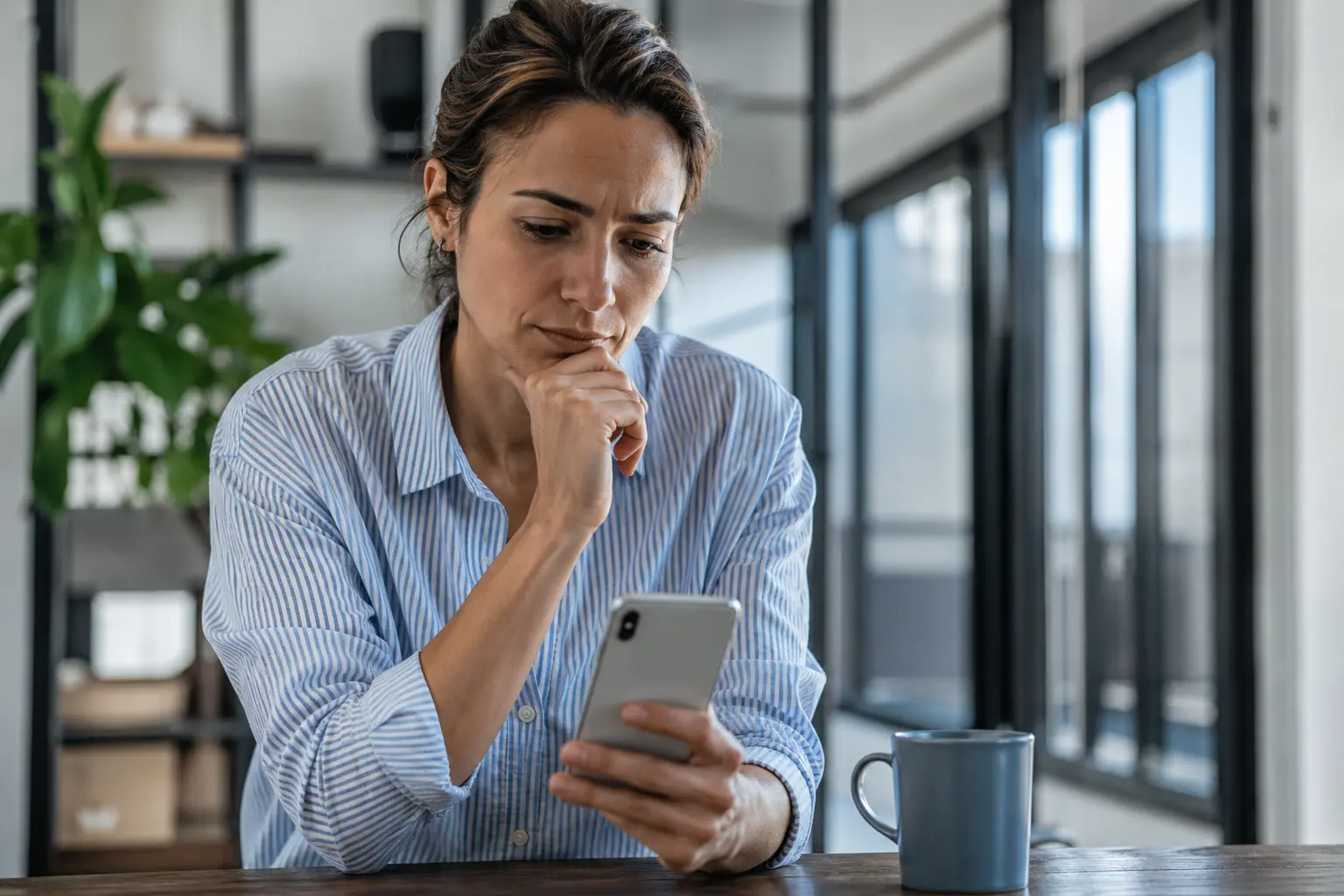
Your most intimate health details, from reproductive choices to mental health struggles, sitting in databases where hackers, employers, or insurance companies could find them without your permission, and that terrifying reality is exactly why health data privacy explained matters so much right now.
Why health data privacy matters
Think about the last time you visited your doctor and shared something deeply personal. Maybe it was about your period, your fertility concerns, your anxiety, or a health issue you felt embarrassed discussing. That vulnerability you felt in that moment? It only works if you trust that information stays between you and your provider. The confidentiality of health data is crucial for women because it encompasses intimate details about our bodies, our choices, and our well-being that we would never share casually. When unauthorized access happens, it breaches that trust in a way that goes beyond just data. It affects whether you’ll be honest with your next doctor, whether you’ll seek help when you need it, and whether you feel safe in your own healthcare journey.
- Protecting sensitive health details is essential for maintaining autonomy and control over personal information.
- Ensuring the privacy of health data promotes a safe environment for seeking medical help without fear of judgment or misuse.
- Maintaining confidentiality in healthcare interactions fosters a sense of security and builds trust between women and healthcare providers.
Risks of health data breaches
A breach in health data privacy isn’t just an abstract concern. Consider Sarah, a woman who discovered her mental health records were accessed by her employer’s HR department. Suddenly, she worried about promotions, job security, and whether colleagues were gossiping about her diagnosis. Or think about identity theft, where criminals use your health information to open accounts in your name, rack up medical debt, or access prescription medications. Then there’s employment discrimination, insurance denial, or worse, having sensitive information shared on social media. The ripple effects touch every area of your life. Women particularly face risks around reproductive health data, which could be weaponized in custody battles, immigration cases, or used to judge your character. These aren’t hypothetical scenarios; they happen to women every day.
💬 Ready to feel better in 2 minutes?choose where to begin:
Steps to safeguard health privacy
Start by being intentional about what you share and with whom. Before providing health information, ask your provider or healthcare facility what their privacy practices are and how they store your data. Use secure communication channels like encrypted messaging when discussing sensitive health matters with providers. Review your medical records regularly to catch any errors or unauthorized access. Understand your rights under HIPAA and similar laws in your country. Create strong, unique passwords for patient portals and health apps. Be cautious about health apps that collect data, reading their privacy policies carefully. When filling out forms, only provide information that’s absolutely necessary. Keep physical documents secure, and when discarding medical records, shred them. Talk to your family about your privacy preferences. These steps might feel like extra work, but each one builds a protective layer around your most sensitive information.
Empowering women through privacy advocacy
Your voice matters in shaping healthcare privacy standards. When you advocate for stronger health data privacy regulations, you’re not just protecting yourself; you’re creating safer conditions for your daughters, sisters, and friends. Participate in discussions about digital security, support organizations fighting for privacy rights, and speak up when you see privacy violations. Share your story if you feel comfortable doing so, because women’s experiences with privacy breaches often go unheard. Contact your representatives about legislation protecting health data. Support healthcare providers who prioritize privacy. The landscape of health data privacy is constantly shifting, and women’s participation in these conversations is essential to ensuring our voices shape the future of healthcare security.
The significance of health data privacy cannot be overstated for women, as it impacts autonomy, trust, and security in healthcare settings. Safeguarding one’s personal information is crucial to maintaining control and ensuring a safe environment for seeking medical help.
How can women protect their health data privacy?
Women can safeguard their health data privacy by being cautious about sharing personal information, utilizing secure communication methods, staying informed about data protection laws, reviewing medical records regularly, using strong passwords for health portals, and understanding their rights under privacy regulations like HIPAA.
What are the risks of health data breaches for women?
Health data breaches can expose women to identity theft, employment discrimination, insurance denial, reproductive health weaponization, and other harmful consequences, highlighting the importance of maintaining privacy in healthcare interactions.
Others also read:
Disclaimer: This article is for informational purposes only and is not a substitute for professional medical advice. Always consult a healthcare professional for personal guidance.
This article presents an experience-based perspective and has been reviewed by the GlobalHealthBeacon editorial team in 2026. It provides structured, evidence-based information to support informed health decisions.
