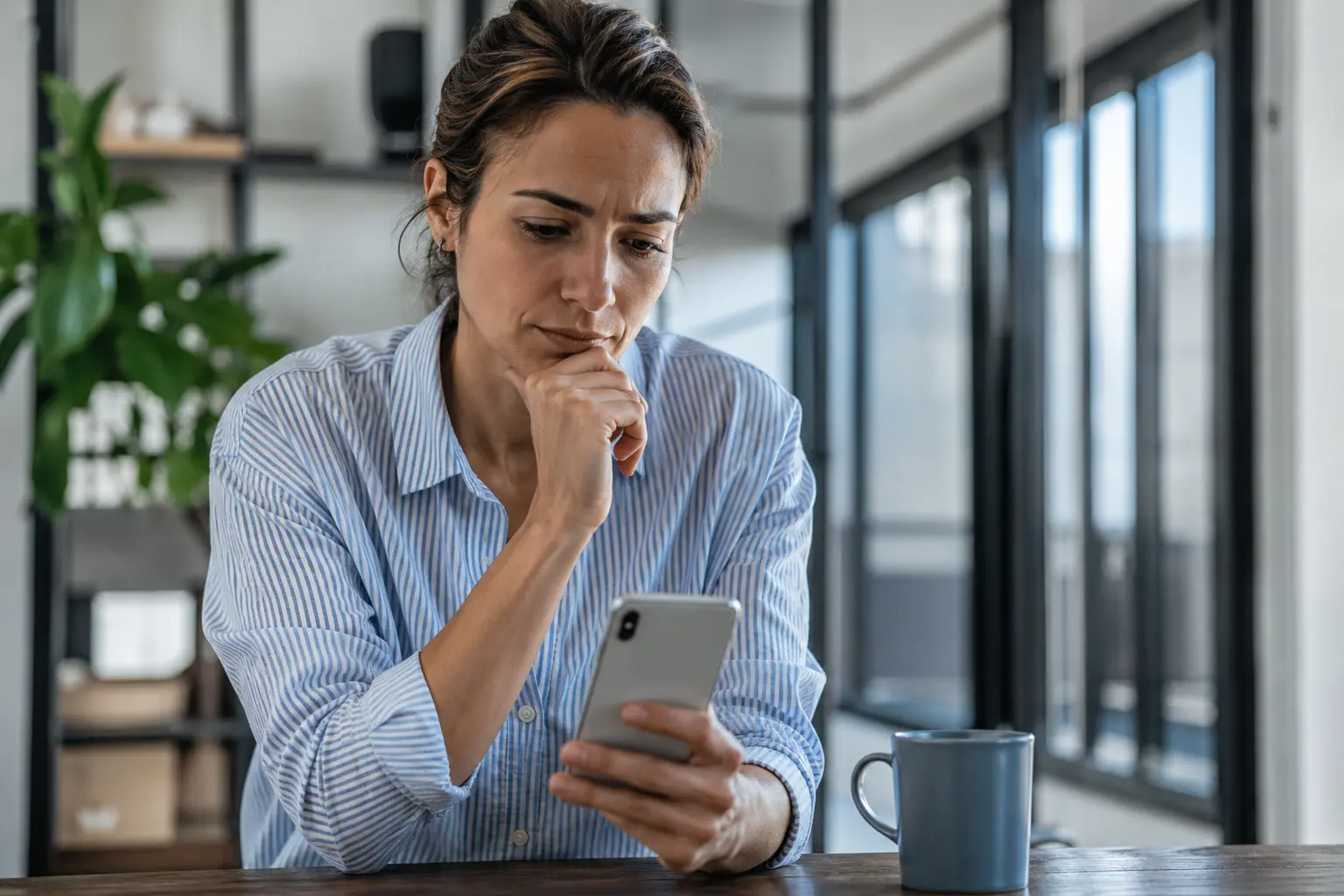
Your doctor’s office just called asking to confirm information you never gave them, and suddenly you’re wondering if your medical records are floating around the internet like loose change in a coat pocket, so let’s talk about health data privacy explained and how to actually protect what’s yours.
Understanding health data privacy
Health data privacy is all about keeping your medical information confidential and protected from unauthorized access. It includes everything from your diagnoses and treatment plans to your insurance details and payment history. Think of it like this: imagine your doctor’s office as a vault. Everything inside that vault belongs to you, and nobody should be able to peek inside without your permission. Your health data includes sensitive details like your blood pressure readings, medications you take, mental health records, and even your genetic information. When healthcare providers follow proper data privacy practices, they’re essentially putting multiple locks on that vault. Encryption scrambles your information into a code that only authorized people can read. Secure networks mean your data travels safely from one place to another, like a protected highway instead of an open road. Understanding these protections helps you recognize when something feels off.
- Control: You have the right to control who accesses your health information.
- Confidentiality: Your health data should be kept private and only shared with your consent.
- Security: Measures like encryption and secure networks help safeguard your data from breaches.
Signs of data vulnerability
One common sign of data vulnerability is receiving unsolicited emails or calls from healthcare providers asking for information you never requested. If a clinic you visited once five years ago suddenly calls asking to verify your social security number, that’s your gut telling you something’s not right. Watch for red flags like unexpected bills from medical services you never received, calls from debt collectors about medical debt you don’t recognize, or emails asking you to click links to update your health information. Another warning sign is noticing your medical records being accessed without your authorization. Some healthcare systems let you see when your records are viewed, and if you spot access from departments you never visited, that’s concerning. Phishing attempts are sneaky too: scammers pose as your insurance company or pharmacy, asking you to verify personal details. If you notice strange activity on your credit report related to medical services, or if you’re suddenly denied insurance coverage for reasons you don’t understand, these could indicate your data has been compromised.
💬 Ready to feel better in 2 minutes?choose where to begin:
Protecting your health information
To protect your health information, start by being selective about who you share it with. Only provide medical details to healthcare providers you trust and have verified through official channels. When you’re at a doctor’s office, ask what happens to your information after your visit. Does it get stored securely? Who can access it? These aren’t rude questions; they’re your right to ask. Be cautious about disclosing personal details online, especially on social media where you might mention health conditions or medications casually. Always verify the authenticity of any requests for your medical data by calling your healthcare provider directly using the phone number on your insurance card, not a number from an email. Create strong passwords for patient portals and never use the same password across multiple accounts. Consider requesting a copy of your medical records annually to review for errors or unauthorized access. When you need to dispose of old medical documents, shred them rather than throwing them in the trash. These practical steps might seem simple, but they form a protective barrier around your most sensitive information.
Staying safe in the digital age
In today’s digital age, staying safe online is more critical than ever, especially when your health information is at stake. Regularly update your passwords, making them complex with a mix of letters, numbers, and symbols. Think of passwords like changing the locks on your front door periodically; it keeps intruders from using old keys. Enable two-factor authentication on any account that offers it, which means even if someone gets your password, they can’t access your account without a second verification step, usually through your phone. Avoid clicking on suspicious links in emails or texts, even if they look like they’re from your doctor or insurance company. Legitimate healthcare providers won’t ask you to click links to update sensitive information. Use only secure, password-protected wifi networks when accessing health information online; public wifi at coffee shops is like leaving your front door unlocked. Keep your devices updated with the latest security patches and antivirus software. Consider using a password manager to keep track of complex passwords safely. Stay informed about data breaches by signing up for alerts from the major credit bureaus. Taking these steps transforms you from a passive participant in the digital health world into an active guardian of your own information.
Health data privacy is essential for safeguarding your sensitive medical information. By understanding the risks, recognizing signs of vulnerability, and taking preventive measures, seniors can keep their data safe and secure in the digital age.
How can I secure my health data online?
You can secure your health data online by using strong, unique passwords, enabling two-factor authentication, and avoiding sharing sensitive information on unsecured websites.
What should I do if I suspect a breach of my health data?
If you suspect a breach of your health data, immediately contact your healthcare provider and inquire about the incident. They can guide you on the necessary steps to protect your information and prevent further unauthorized access.
Others also read:
Disclaimer: This article is for informational purposes only and is not a substitute for professional medical advice. Always consult a healthcare professional for personal guidance.
This article presents an experience-based perspective and has been reviewed by the GlobalHealthBeacon editorial team in 2026. It provides structured, evidence-based information to support informed health decisions.
