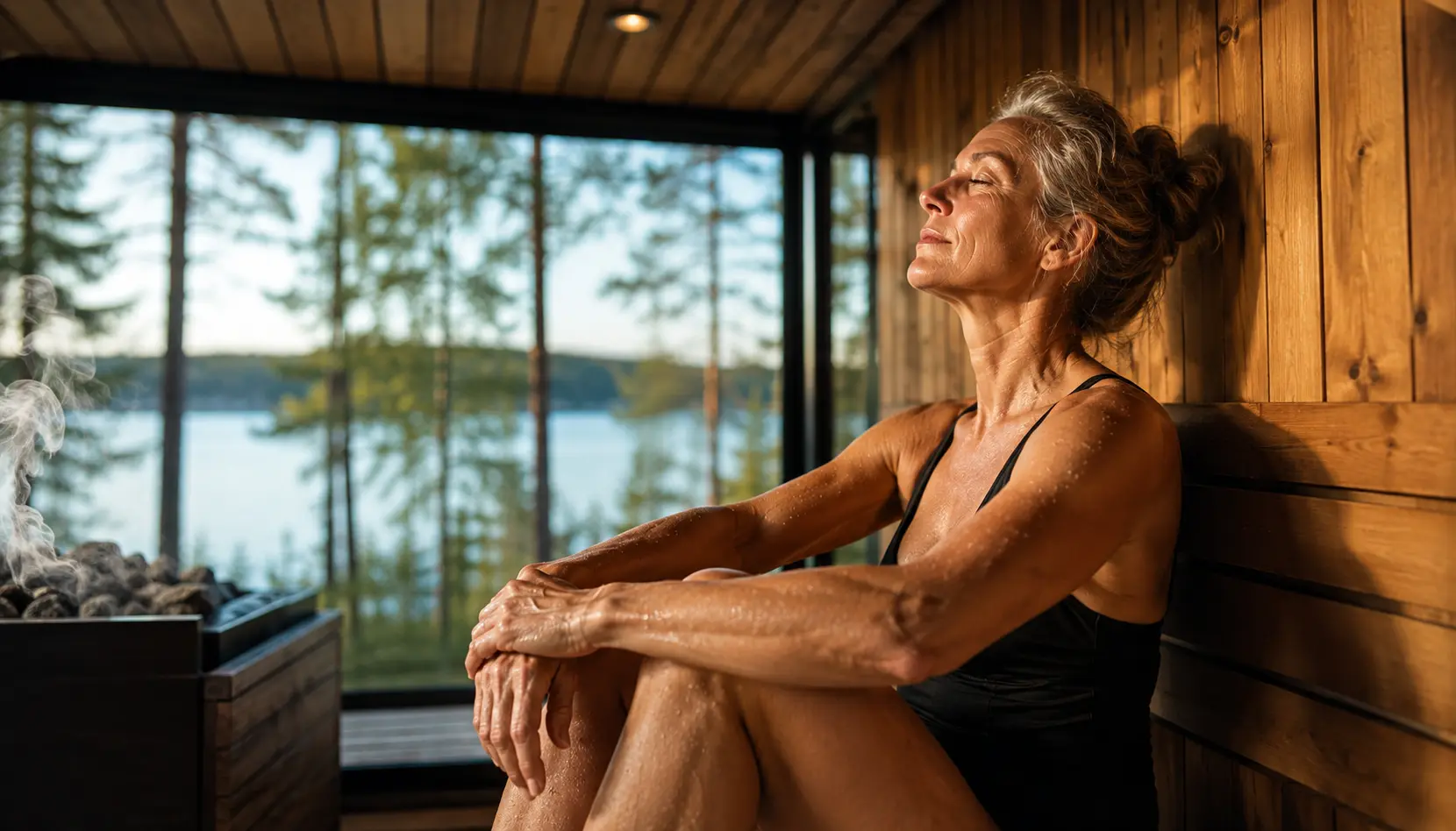
Your joints ache, your muscles feel tight, and you’re tired of feeling stiff every morning, but a sauna routine for longevity might be the simple, natural solution you’ve been overlooking to reclaim how good your body can actually feel.
Benefits of sauna sessions for longevity
Regular sauna sessions work like a gentle reset button for your aging body. When you sit in the heat, your blood vessels expand and your heart pumps more efficiently, which means better circulation reaching every part of you. Think of it like opening the floodgates on a river that’s been running slow. Your muscles relax as the warmth penetrates deep, easing the tension that builds up from years of living. Joint pain that nags you during the day often softens after consistent sauna use. Beyond the physical relief, the sweating process actually matters. As you perspire, your body flushes out metabolic waste and supports your immune system’s natural cleaning cycle. Many seniors report feeling lighter and more energized after establishing a regular sauna habit, not just physically but mentally too.
- Enhances circulation and cardiovascular health
- Relieves muscle tension and joint pain
- Supports detoxification and immune function
Setting up your sauna space
Creating your sauna environment matters more than you might think. Start with ventilation, which keeps the air fresh and prevents moisture buildup that could damage your space. Install sturdy safety handles near the door and seating areas so you have something solid to grip when stepping in or standing up. Temperature control is crucial for seniors, so aim for 160 to 180 degrees Fahrenheit rather than the hotter 190-plus range younger people prefer. A simple timer on the wall keeps you from losing track of time and staying in too long. Before each session, fill a water bottle and keep it within arm’s reach. Many seniors find that placing a small bench or chair just outside the sauna door gives them a comfortable spot to sit and cool down gradually. Consider adding a towel rack and a non-slip mat to prevent falls.
📘 Fix your day in under 2 minuteschoose where to begin:
Sauna etiquette and safety precautions
If you’re using a public sauna, remember that sitting or lying on a clean towel isn’t just polite, it’s essential hygiene. Keep conversations quiet and respectful of others seeking peace and relaxation. Never consume alcohol before or during a sauna session, as it dehydrates you faster and puts strain on your heart. Limit your first sessions to 10 to 15 minutes, then gradually work up to 20 minutes as your body adapts. Pay close attention to how you feel. If you experience dizziness, chest discomfort, or shortness of breath, exit immediately and cool down slowly. Seniors with high blood pressure, heart conditions, or diabetes should always check with their doctor first. Listen to your body’s signals, not peer pressure or what others are doing.
Post-sauna care and hydration
What you do after the sauna matters as much as the session itself. Step out and take a lukewarm shower rather than a cold one, which helps your body temperature adjust gradually and prevents shock to your system. Drink water or herbal tea slowly over the next hour to rehydrate properly. Your skin has just opened all its pores and released moisture, so applying a gentle moisturizer while your skin is still slightly damp helps lock in hydration. Many seniors find that resting for 15 to 30 minutes afterward allows their body to fully recover and integrate the benefits. Some people nap after a sauna, which is perfectly fine and actually beneficial. Avoid jumping into strenuous activity right away. Give yourself permission to sit quietly, read, or simply relax as your body settles back to its normal state.
Incorporating sauna sessions into your routine
Start small and build gradually. Your first week might be just two 10-minute sessions at a lower temperature to see how your body responds. By week three or four, you can increase to 15 minutes if you feel good. Consistency matters more than intensity. Two or three sessions per week spread across the week gives your body time to recover between visits and allows you to notice cumulative benefits. Keep a simple log of how you feel after each session. Over time, you’ll recognize patterns, like whether you sleep better that night or whether your knee feels less stiff the next morning. Some seniors pair their sauna routine with a light stretching session afterward to maximize flexibility gains. Others use the quiet time for meditation or reflection. The key is finding a rhythm that fits your life and feels sustainable for the long term.
Sauna routines offer numerous health benefits, including improved circulation, pain relief, and detoxification. Setting up a safe and comfortable sauna space, practicing proper etiquette, and staying hydrated are essential for a rewarding experience. By gradually incorporating sauna sessions into your routine and listening to your body, you can enjoy the longevity-enhancing effects of this revitalizing practice.
How often should seniors use a sauna for longevity benefits?
Seniors should consult their healthcare provider before starting a sauna routine. They can generally benefit from 2-3 sauna sessions per week, with each session lasting around 15-20 minutes at a moderate temperature.
Are there any contraindications for seniors using a sauna?
Seniors with certain medical conditions like uncontrolled hypertension, heart disease, or severe dehydration should avoid sauna use. It’s crucial to seek medical advice before incorporating sauna sessions into your wellness routine.
Others also read:
Disclaimer: This article is for informational purposes only and is not a substitute for professional medical advice. Always consult a healthcare professional for personal guidance.
This guide has been prepared and reviewed by the GlobalHealthBeacon editorial team and reflects current medical research as of 2026. It provides structured, evidence-based information to support informed health decisions.
