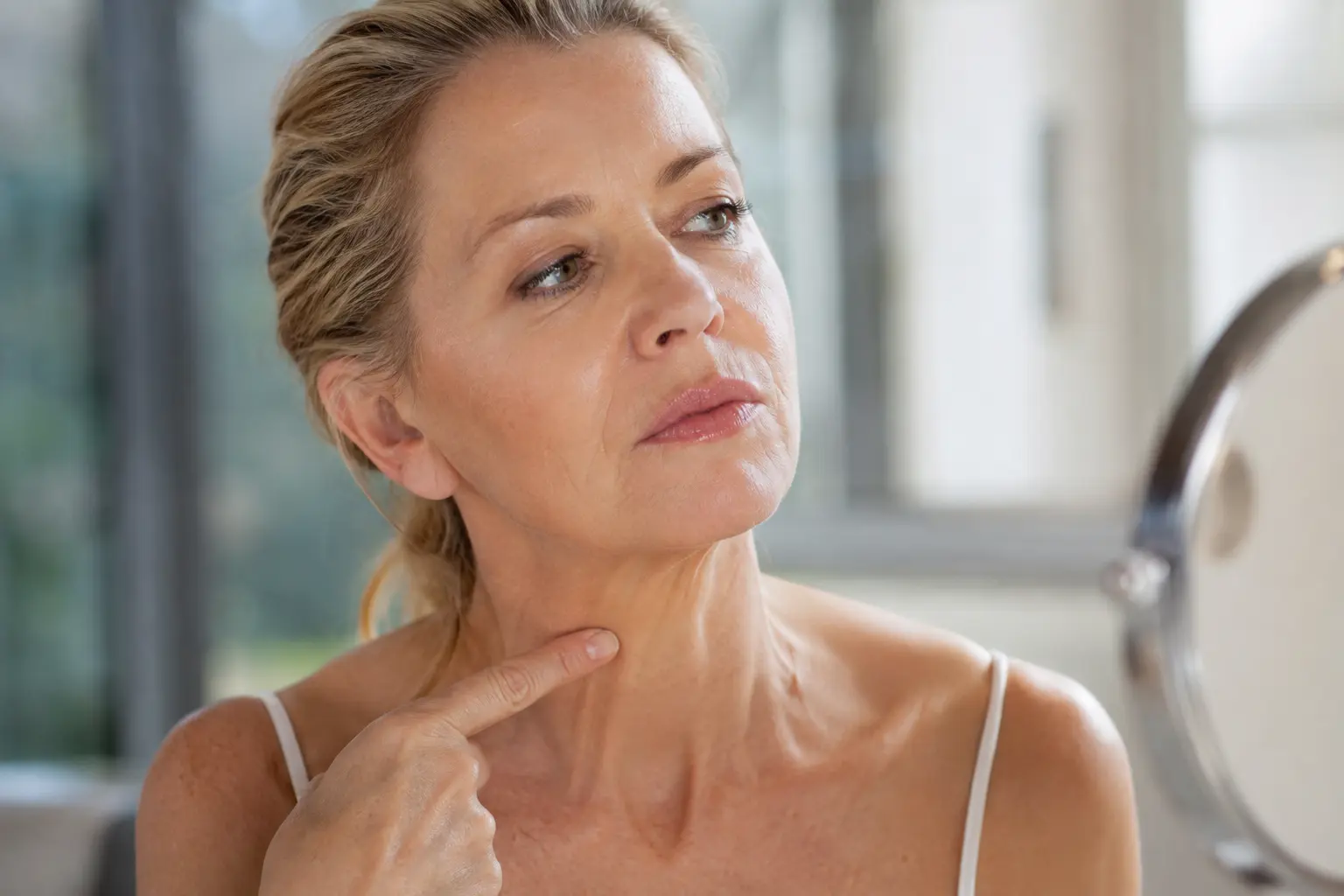
You catch your reflection and notice your neck looking looser, lined, and nothing like it used to, and suddenly neck skin aging signs feel like they’re taking over your appearance.
Understanding neck skin aging signs
The neck is often one of the first places where aging becomes visible, and there’s a reason for that. The skin on your neck is thinner and more delicate than facial skin, with fewer oil glands to keep it naturally moisturized. As you move through your 50s, 60s, and beyond, collagen production slows significantly, causing that supportive structure under your skin to weaken. This is when sagging, creases, and fine lines start appearing. Sun exposure over decades plays a major role too. Think about how many times you’ve applied sunscreen to your face but skipped your neck. UV rays break down collagen and elastin fibers, accelerating the aging process. Genetics also matter. If your parents or grandparents experienced early neck sagging, you’re more likely to as well. Lifestyle factors like smoking, poor hydration, and a diet lacking in nutrients can speed things up considerably. Understanding these causes helps you take control rather than feeling helpless about what’s happening.
- Sagging skin is a common sign of aging in the neck area, often caused by loss of collagen and elastin.
- Fine lines and wrinkles develop due to decreased collagen production and repetitive neck movements over time.
- Factors like smoking, poor diet, lack of hydration, and sun exposure without protection can worsen neck skin aging signs.
Tips to reduce neck skin aging signs
Start with hydration, which sounds simple but makes a real difference. Drinking enough water throughout the day helps your skin cells plump up and maintain elasticity. Aim for at least eight glasses daily, more if you’re active. Next, sunscreen is non-negotiable. Apply a broad-spectrum SPF 30 or higher to your neck every single morning, even on cloudy days. Many people forget this step entirely, which is why their necks look so different from their faces. Use moisturizers and neck creams containing retinol, hyaluronic acid, and peptides. Retinol boosts collagen production, hyaluronic acid holds moisture in your skin, and peptides support skin firmness. Apply these products at night when your skin repairs itself. Neck exercises can help too. Try gentle neck stretches and resistance movements to engage the muscles underneath your skin, which can improve tone and reduce the appearance of sagging. Consider non-invasive treatments like radiofrequency therapy or microcurrent facials if you want faster results. These treatments stimulate collagen production without surgery. A dermatologist can recommend what works best for your specific situation.
📘 Fix your day in under 2 minuteschoose where to begin:
Healthy habits for neck skin care
Your neck’s appearance is directly connected to your overall health habits. Eating a balanced diet rich in antioxidants, omega-3 fatty acids, and vitamins C and E supports skin health from the inside out. Think leafy greens, fatty fish, nuts, and colorful fruits. These foods fight free radical damage that accelerates aging. Sleep matters more than you might think. During deep sleep, your body increases blood flow to the skin and rebuilds collagen. Aim for seven to nine hours nightly. Avoiding smoking is crucial because it depletes collagen and restricts blood flow to your skin, making it look dull and aged. Gentle massage of your neck and jawline using upward strokes for two to three minutes daily can enhance circulation and promote natural rejuvenation. Use your fingertips or a jade roller, moving from your collarbone upward. Stress relief practices like yoga, meditation, or even daily walks reduce cortisol levels, which can otherwise break down collagen. These habits work together to keep your neck skin looking healthier and more resilient.
Professional interventions for neck skin aging
When at-home care reaches its limits, professional treatments offer more dramatic results. A dermatologist can assess your specific concerns and recommend a personalized plan. Laser therapy works by creating controlled micro-injuries that trigger your body’s natural healing response and collagen production. Chemical peels use acids to remove damaged outer layers, revealing fresher skin underneath. Injectables like Botox can relax muscles that create horizontal neck lines, while dermal fillers add volume to sagging areas. Radiofrequency treatments heat deeper skin layers to tighten and firm without downtime. Microneedling creates tiny punctures that stimulate collagen remodeling. Thread lifts provide a subtle lift by placing dissolvable threads under the skin. Before pursuing any procedure, have a thorough consultation with a board-certified dermatologist or plastic surgeon. Discuss your goals, recovery time, costs, and potential side effects. Some treatments require multiple sessions for optimal results. Always ask about before-and-after photos of other patients and verify credentials. Professional guidance ensures you choose the right approach for your skin type and concerns.
Embracing aging gracefully
Neck skin aging signs are genuinely a natural part of getting older, and fighting against that reality can drain your energy and confidence. Instead of viewing these changes as flaws, consider them markers of a life well-lived. You’ve earned every line and every bit of texture through years of smiling, laughing, and experiencing the world. That said, taking care of your appearance is an act of self-respect, not vanity. When you invest time in skincare routines, healthy habits, and treatments that make you feel good, you’re prioritizing your well-being and confidence. The goal isn’t to look 30 again but to look like the best version of yourself at your current age. Focus on what makes you feel comfortable and confident in your skin. For some people, that means embracing natural aging. For others, it means pursuing treatments. Both choices are valid. Radiate vitality by prioritizing sleep, movement, nourishing food, and meaningful connections. These things show on your face and neck far more than any wrinkle ever could.
Neck skin aging signs like sagging, fine lines, and wrinkles are common as we age due to collagen loss, sun exposure, and lifestyle factors. Understanding these changes and adopting healthy habits like hydration, sun protection, targeted skincare, and professional treatments when needed can help you navigate this natural process with confidence and grace.
Can neck creams really improve skin elasticity?
Neck creams containing ingredients like retinol and peptides can help improve skin elasticity and texture over time. Consistent use, along with a healthy skincare routine, can lead to visible results. Look for products with proven ingredients and use them nightly for at least 8 to 12 weeks before assessing results.
Are non-invasive treatments effective for neck skin rejuvenation?
Non-invasive treatments like radiofrequency therapy and microcurrent facials can be effective in tightening the skin, reducing fine lines, and promoting collagen production. However, results may vary based on your skin condition and age. It is essential to consult with a board-certified dermatologist or skincare professional for personalized recommendations and realistic expectations.
Others also read:
Disclaimer: This article is for informational purposes only and is not a substitute for professional medical advice. Always consult a healthcare professional for personal guidance.
This guide has been prepared and reviewed by the GlobalHealthBeacon editorial team and reflects current medical research as of 2026. It provides structured, evidence-based information to support informed health decisions.
