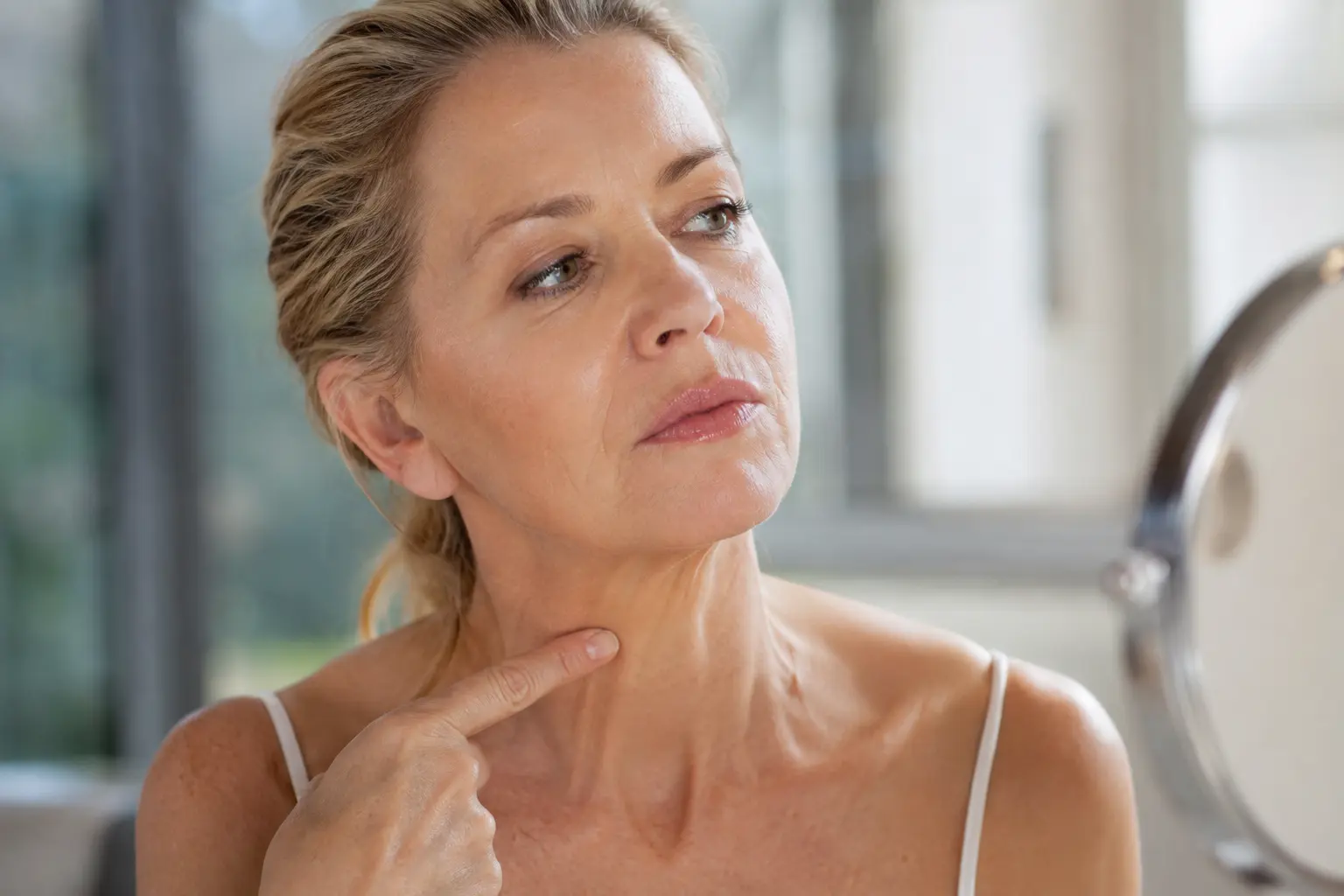
Your neck is literally screaming for attention and you probably haven’t noticed until now, but neck skin aging signs are creeping up faster than you think, and understanding why is the first step to actually doing something about it.
Understanding the neck skin structure
Your neck is essentially the forgotten stepchild of your skincare routine, and there’s a biological reason why it deserves way more attention than it gets. The skin on your neck is significantly thinner and more delicate than the skin on your face, making it far more vulnerable to visible signs of aging. Think of it this way: facial skin has a protective barrier built up over years of moisturizers and sunscreen, but your neck often gets skipped entirely. This thinner epidermis contains fewer oil glands, which means it naturally produces less sebum to keep itself hydrated and supple. Additionally, the neck has substantially less collagen and elastin compared to facial skin, those crucial proteins responsible for maintaining firmness and bounce. Without adequate collagen, your neck skin loses its structural support, leading to wrinkles, sagging, and those horizontal creases that seem to appear overnight. The lack of oil glands compounds this problem, making the neck area prone to dryness and accelerated breakdown of its protective barrier.
Mechanisms of neck aging
As you move through your twenties and thirties, your body gradually reduces collagen and elastin production, a natural process that accelerates with each passing year. Collagen, the protein that gives skin its firmness, breaks down faster than your body can replace it, while elastin, which allows skin to bounce back, becomes increasingly fragmented. This dual loss creates a perfect storm for visible aging on the neck. UV radiation from sun exposure acts as a major accelerant in this process, penetrating the skin and directly damaging collagen fibers through a process called photodegradation. Environmental pollutants, free radicals from oxidative stress, and even repetitive neck movements contribute to this breakdown. Imagine your collagen fibers as tiny springs that keep your skin taut and youthful. Over time, these springs lose their tension, snap, and fail to recoil properly. The neck, being constantly exposed and frequently overlooked in sun protection routines, becomes a visible billboard of this aging process, often showing signs years before the face does.
Factors contributing to neck skin aging
Several interconnected factors determine how quickly your neck shows signs of aging, and many of them are within your control. Sun exposure stands as the primary culprit, with UV rays penetrating the skin and triggering collagen breakdown, DNA damage in skin cells, and the formation of age spots and leathery texture. Smoking introduces a cascade of harmful chemicals that directly impair your body’s ability to produce new collagen while simultaneously increasing oxidative stress that damages existing collagen fibers. If you’ve watched a smoker’s neck compared to a non-smoker’s, the difference is often stark and sobering. Genetics play an undeniable role too, determining your baseline collagen production rate, skin thickness, and how quickly your body ages at a cellular level. Environmental factors like pollution, chlorine exposure, and harsh weather conditions accelerate skin degradation. Lifestyle habits including poor hydration, inadequate sleep, and a diet lacking antioxidants deprive your skin of the nutrients and recovery time it needs. Even your posture matters, as constantly looking down at phones creates repetitive creasing that eventually becomes permanent wrinkles.
- Apply broad-spectrum sunscreen with at least SPF 30 daily to your neck, reapplying every two hours if you’re outdoors, treating this area with the same diligence you give your face.
- Avoid smoking completely and minimize exposure to secondhand smoke and environmental pollutants, as these directly interfere with collagen synthesis and accelerate visible aging.
- Maintain a consistent skincare routine specifically for your neck using products containing collagen-boosting ingredients like retinol, vitamin C, peptides, and hyaluronic acid to support skin renewal and hydration.
🔬 Science-backed benefits in 2 minuteschoose where to begin:
Preventive measures for neck aging
Slowing down neck skin aging requires a deliberate, comprehensive approach that goes beyond occasional moisturizing. Start with a dedicated neck skincare routine that mirrors your facial routine but acknowledges the neck’s unique needs. Moisturizing is non-negotiable, as the neck’s limited oil glands mean it can’t self-regulate hydration effectively. Look for products containing hyaluronic acid, which holds up to 1000 times its weight in water, or ceramides that repair the skin barrier. Anti-aging products with retinol or retinoids stimulate collagen production and accelerate cell turnover, though these require consistent use over weeks to show results. UV protection is absolutely critical, yet remains the most neglected step for most people. Regular exfoliation, done gently two to three times weekly, removes dead skin cells and promotes cell renewal, improving texture and allowing other products to penetrate more effectively. Neck-specific treatments like targeted serums and masks can provide concentrated doses of active ingredients. Consider the angle of application too, always applying products upward toward the jawline to work with gravity rather than against it.
Healthy lifestyle habits
Your neck’s appearance reflects your overall health more honestly than you might realize, making lifestyle choices surprisingly impactful. Staying adequately hydrated supports skin elasticity and helps your body maintain optimal collagen production, yet most people chronically under-drink water. A balanced diet rich in antioxidants from colorful vegetables, berries, and green tea provides the raw materials your body needs to fight oxidative stress and repair damaged collagen. Foods high in vitamin C, omega-3 fatty acids, and zinc directly support skin health and collagen synthesis. Quality sleep is when your body enters repair mode, releasing growth hormone and allowing skin cells to regenerate and restore themselves. Aim for seven to nine hours nightly, as chronic sleep deprivation accelerates aging at a cellular level. Regular exercise improves blood circulation, delivering oxygen and nutrients to skin cells while promoting the removal of metabolic waste. Even moderate activity like brisk walking or yoga can enhance skin appearance over time. Managing stress through meditation, breathing exercises, or hobbies is equally important, as chronic stress elevates cortisol, which breaks down collagen and accelerates aging.
Consultation with dermatologist
While preventive measures form the foundation of neck aging management, professional treatments offer targeted solutions for more advanced signs of aging. A dermatologist can assess your specific situation and recommend treatments tailored to your skin type and concerns. Laser therapy uses focused light energy to stimulate collagen production and tighten skin, with results improving over several months as collagen remodels. Chemical peels remove damaged outer layers of skin, revealing fresher skin beneath and triggering collagen production in the deeper layers. Microneedling creates controlled micro-injuries that prompt your body’s natural healing response, boosting collagen and elastin production. Injectable treatments like botulinum toxin can relax muscles that create horizontal neck lines, while dermal fillers add volume to address sagging or hollowness. Radiofrequency treatments heat deeper skin layers to stimulate collagen without damaging the surface. A dermatologist can also identify any underlying skin conditions or concerns you might miss on your own. The key is starting a conversation early, before advanced aging occurs, so you can choose preventive or early-intervention treatments rather than waiting until dramatic measures become necessary.
Understanding the biological processes behind neck skin aging empowers you to make informed decisions about protecting and maintaining your skin’s health. The neck’s unique anatomy, with thinner skin and fewer oil glands, makes it particularly vulnerable to aging signs. Sun exposure, smoking, genetics, and lifestyle habits all play significant roles in how quickly your neck shows age. By combining consistent preventive measures like sunscreen and targeted skincare with healthy lifestyle habits and professional treatments when appropriate, you can meaningfully slow the visible signs of aging and maintain a more youthful appearance.
How does sun exposure contribute to neck skin aging?
UV rays penetrate the skin and directly damage collagen fibers through a process called photodegradation, causing them to break down faster than your body can repair them. This leads to loss of firmness and elasticity, resulting in wrinkles, sagging, and age spots. The neck, often neglected in sun protection routines, becomes particularly vulnerable to these effects.
Can genetics influence neck skin aging?
Yes, genetics significantly influence how your neck ages by determining your baseline collagen production rate, natural skin thickness, and how quickly your body ages at a cellular level. If your parents showed early signs of neck aging, you may be predisposed to similar patterns, though lifestyle choices can still meaningfully slow the process.
Others also read:
Disclaimer: This article is for informational purposes only and is not a substitute for professional medical advice. Always consult a healthcare professional for personal guidance.
This article has been prepared and reviewed by the GlobalHealthBeacon editorial team and is based on current medical research and published scientific literature available in 2026. It provides structured, evidence-based information to support informed health decisions.
