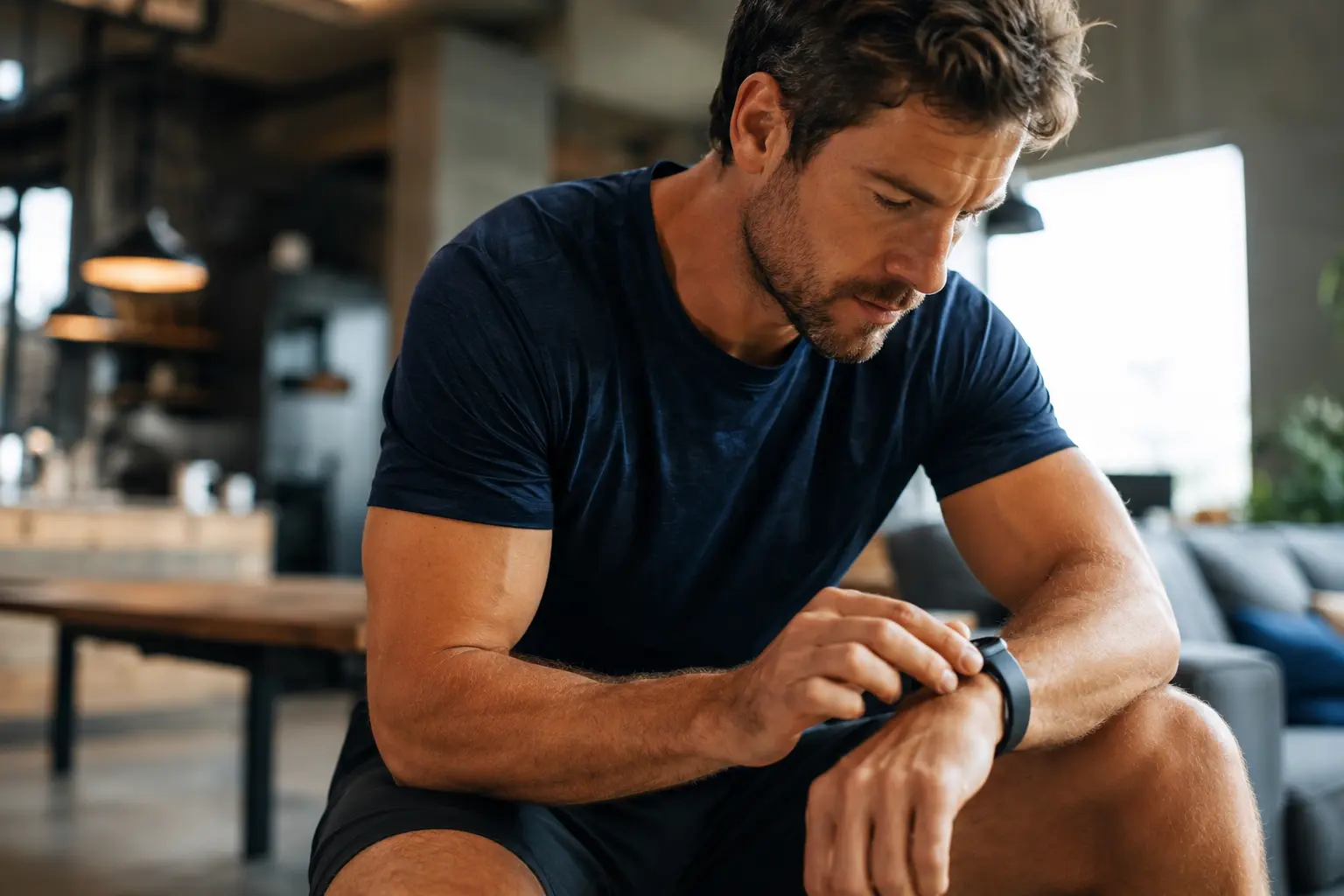
You’re standing in your kitchen at 2 PM, staring at your pill organizer and completely blanking on whether you already took your blood pressure medication this morning, and your kids keep calling asking if you’ve checked your numbers lately – a home health tracking setup could finally end this daily mental exhaustion.
Streamlined health monitoring
Picture this: it’s a Tuesday morning, and instead of rushing to get dressed and drive to your doctor’s office for a quick blood pressure check, you simply sit in your favorite chair with a small device that takes your reading in seconds. That’s the reality of home health tracking for many seniors today. You get real-time data on your blood pressure, heart rate, and glucose levels without leaving your house. One woman I know, Margaret, used to make monthly trips to the clinic just to monitor her hypertension. Now she tracks it daily from her kitchen table and shares the data with her doctor during video calls. The convenience isn’t just about saving time; it’s about building a complete picture of your health patterns. You notice trends, like how your blood pressure spikes after stressful news or drops after your morning walk. These insights help you and your doctor make smarter decisions about your care.
- Real-time tracking of vital signs
- Personalized health insights
- Enhanced convenience and comfort
Medication reminders
Forgetting medications is one of the most common struggles seniors face, and it’s not a personal failing – it’s just how memory works when you’re managing multiple prescriptions. Home health tracking systems solve this problem with smart reminders tailored to your exact schedule. Imagine having a gentle alert on your phone or a soft chime from a device at precisely 8 AM when you need your heart medication, and again at 6 PM for your evening dose. You can customize these reminders down to the minute, and some systems even confirm when you’ve taken your medication. Tom, a 73-year-old managing diabetes and high blood pressure, told me he used to miss doses because he couldn’t remember if he’d already taken them. Now his system sends him a notification, and once he confirms he’s taken his pills, it logs the information. His doctor can see his adherence rates, and his health has stabilized significantly. The peace of mind knowing you won’t accidentally double-dose or skip a critical medication is invaluable.
💬 Ready to feel better in 2 minutes?choose where to begin:
Health data integration
One of the biggest frustrations seniors mention is the disconnect between their home monitoring and their doctor’s office. You take readings at home, write them down on paper, and then forget to bring the notes to your appointment. With integrated health data systems, all your information flows directly to your healthcare provider’s portal. This means no lost data, no transcription errors, and no awkward moments trying to remember numbers from weeks ago. Ruth, who manages multiple chronic conditions, switched to an integrated system and was amazed at how much her doctor could now see about her daily patterns. Instead of relying on a single snapshot during an office visit, her doctor could review weeks of data showing how her body responds to weather changes, stress, and medication adjustments. This deeper insight led to better treatment decisions and fewer emergency visits. Your healthcare team becomes a true partner in your wellness journey rather than someone you see once a quarter.
Emergency response
The fear of something happening when you’re alone is real, and it’s something many seniors think about but don’t talk about. Home health tracking systems include emergency response features that can be genuinely life-saving. If your system detects an abnormal heart rhythm or you manually trigger an alert, it can instantly notify your family members, your doctor, or emergency services. Henry, who lives alone after his wife passed away, felt nervous about his heart condition until he set up emergency alerts. One afternoon, he felt chest discomfort and pressed the alert button on his device. Within minutes, his daughter received a notification, his doctor’s office was alerted, and he was able to get help quickly. He later learned that early intervention likely prevented a more serious event. Knowing that help is just a button press away, and that your loved ones will be notified immediately if something goes wrong, transforms how you feel about living independently.
Home health tracking setups offer seniors a comprehensive solution for monitoring their health, managing medications, integrating health data, and ensuring emergency preparedness. These systems streamline healthcare routines, enhance self-monitoring capabilities, and provide peace of mind through advanced features and real-time tracking.
Can home health tracking systems be customized to individual health needs?
Yes, home health tracking systems can be tailored to individual health needs, including personalized vital sign monitoring, medication reminders, and emergency response settings.
Are home health tracking devices user-friendly for seniors?
Most modern home health tracking devices are designed with user-friendly interfaces specifically catered to seniors, ensuring ease of use and seamless integration into daily routines.
Others also read:
Disclaimer: This article is for informational purposes only and is not a substitute for professional medical advice. Always consult a healthcare professional for personal guidance.
This article presents an experience-based perspective and has been reviewed by the GlobalHealthBeacon editorial team in 2026. It provides structured, evidence-based information to support informed health decisions.
