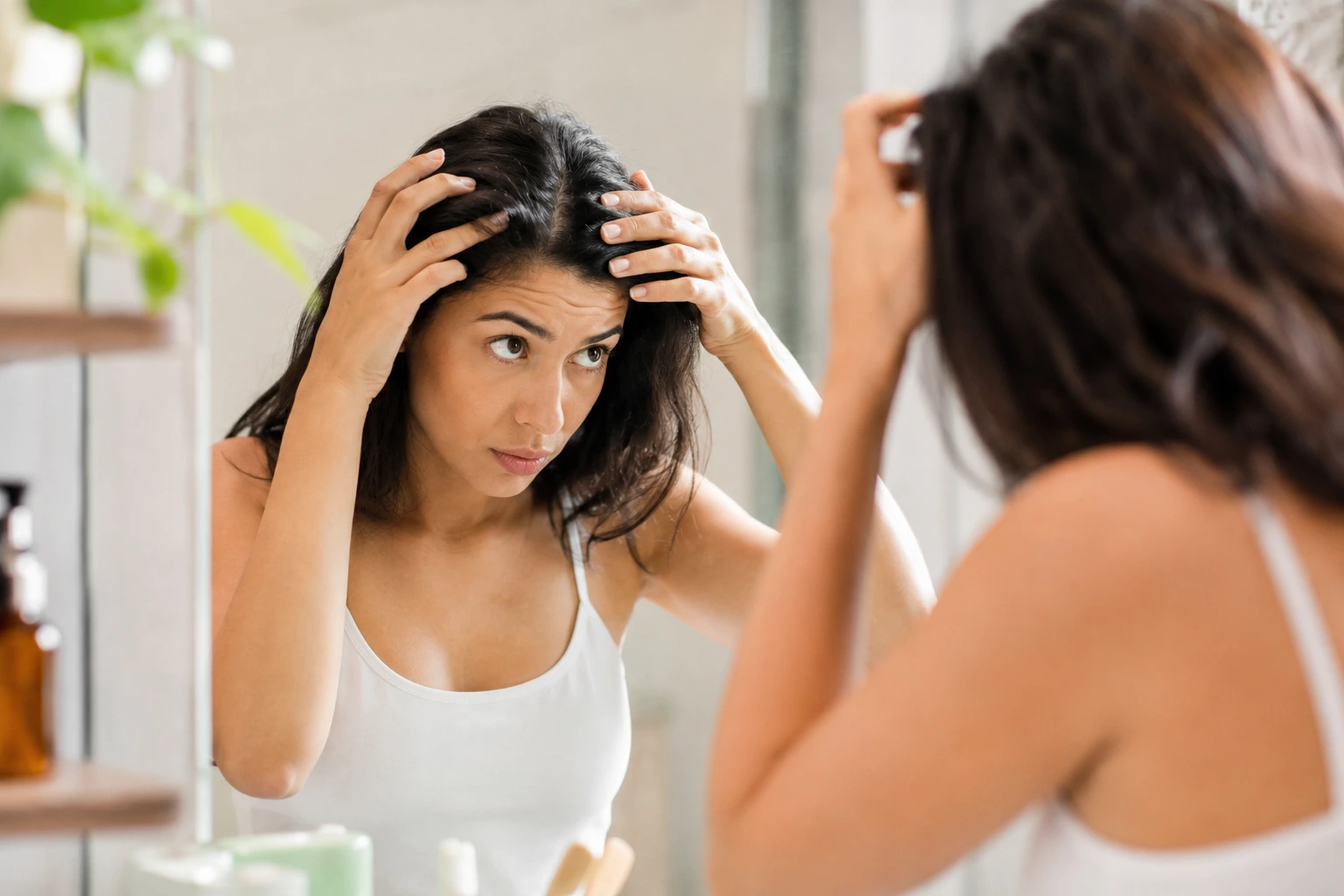
Your scalp is itching, flaking, or just feels off, and you have no idea why your scalp health routine isn’t working—but here’s the thing: most young adults are doing it completely wrong, and this guide will show you exactly what actually works.
Understanding scalp health
A clean and nourished scalp is the foundation for healthy hair growth, but most young adults treat their scalp like an afterthought. Think of your scalp like the soil in a garden: if the soil is depleted, nothing grows well on top of it. To achieve optimal scalp health, you need to cleanse regularly using a gentle shampoo and conditioner that won’t strip away the natural oils your scalp produces. Here’s where many people go wrong: over-washing. When you wash too frequently, you’re essentially telling your scalp it needs to produce even more oil to compensate, creating a vicious cycle of greasiness. The goal is finding your personal balance, which might take a few weeks of experimentation. During each wash, take time to massage your scalp gently with your fingertips in circular motions for about two minutes. This isn’t just relaxing; it actually stimulates blood flow to hair follicles and helps loosen buildup like dead skin cells and product residue that accumulate over time.
- Choose a sulfate-free shampoo to prevent dryness and irritation.
- Massage your scalp gently during washing to improve circulation and remove buildup.
- Use a conditioner or scalp treatment to hydrate and nourish the scalp.
Balanced diet for scalp health
What you eat directly affects your scalp, and this is where many young adults miss a major opportunity. Nutrition plays a crucial role in maintaining a healthy scalp because hair follicles are living tissue that require specific nutrients to function properly. Zinc deficiency, for example, can trigger hair loss and scalp irritation, yet many people in their twenties and thirties don’t consume enough zinc-rich foods. Start incorporating foods like oysters, beef, pumpkin seeds, and chickpeas into your regular diet. Vitamin A supports sebum production, which keeps your scalp naturally moisturized, so include sweet potatoes, spinach, and carrots. Omega-3 fatty acids reduce inflammation and support scalp circulation; fatty fish like salmon, mackerel, and sardines are excellent sources. Don’t overlook hydration either. Your scalp needs water just like your skin does. Most young adults are chronically dehydrated without realizing it, which manifests as a dry, flaky scalp. Aim for at least eight glasses of water daily, and notice how your scalp responds within two to three weeks.
📘 Fix your day in under 2 minuteschoose where to begin:
Protecting your scalp
Your scalp faces threats you probably haven’t considered, and protection is just as important as cleansing. UV rays damage scalp tissue and can accelerate hair loss, yet most people never think to protect their scalp from the sun. If you spend significant time outdoors, wear a hat or apply sunscreen specifically formulated for the scalp. Heat styling tools are another major culprit. Using a flat iron, blow dryer, or curling tool regularly without heat protectant spray damages hair follicles and can lead to permanent hair loss over time. If you must use heat, apply a protective spray first and use the lowest effective temperature. Consider protective hairstyles like loose braids or buns that minimize tension on hair follicles. Tight hairstyles worn constantly can cause traction alopecia, a type of hair loss that becomes permanent if the tension continues. Young adults often don’t realize that their daily ponytail habit could be causing long-term damage. Give your scalp breaks by wearing your hair down or in loose styles several days a week.
Stress management for scalp health
Stress doesn’t just affect your mood; it directly impacts your scalp and hair. When you’re stressed, your body enters fight-or-flight mode and diverts resources away from non-essential functions like hair growth. This can trigger conditions like telogen effluvium, where hair prematurely enters the shedding phase, or worsen existing dandruff and scalp sensitivity. Many young adults experience increased hair loss during exam periods, work deadlines, or relationship stress without connecting the dots. The solution isn’t to eliminate stress entirely, which is unrealistic, but to manage it effectively. Meditation, even just five to ten minutes daily, has been shown to reduce cortisol levels and improve scalp health. Yoga combines physical movement with mindfulness, making it particularly effective. Deep breathing exercises can be done anywhere, anytime you feel tension building. Beyond formal practices, prioritize self-care activities that genuinely relax you, whether that’s time in nature, creative hobbies, or time with friends. Quality sleep is also non-negotiable; your body repairs and regenerates during sleep, including scalp tissue and hair follicles.
Regular scalp checkups
Just like you visit a dentist for preventive care, your scalp deserves professional attention too. Scheduling regular visits to a dermatologist or trichologist gives you an expert perspective on what’s actually happening with your scalp. Many young adults self-diagnose scalp issues based on internet research and end up using the wrong treatments, which can make things worse. A professional can distinguish between dandruff, seborrheic dermatitis, psoriasis, and other conditions that look similar but require different approaches. Early detection of scalp issues like alopecia, fungal infections, or dermatitis prevents progression and makes treatment more effective. If you notice persistent itching, unusual hair loss, scaling, or redness that doesn’t improve within two weeks of adjusting your routine, schedule an appointment. A dermatologist can also recommend personalized scalp care routines based on your specific hair type, scalp condition, and lifestyle. Think of this as an investment in your long-term hair health rather than an expense.
Maintaining scalp health involves cleansing, nourishing, and protecting your scalp through a balanced diet, healthy habits, stress management, and periodic checkups. Prioritize scalp health to promote optimal hair growth and overall well-being.
How often should I wash my scalp?
It is recommended to wash your scalp 2-3 times a week to balance cleanliness without stripping essential oils.
What are common signs of scalp issues?
Some common signs include itching, flaking, redness, or hair thinning. Consult a professional for proper diagnosis and treatment.
Disclaimer: This article is for informational purposes only and is not a substitute for professional medical advice. Always consult a healthcare professional for personal guidance.
This guide has been prepared and reviewed by the GlobalHealthBeacon editorial team and reflects current medical research as of 2026. It provides structured, evidence-based information to support informed health decisions.

