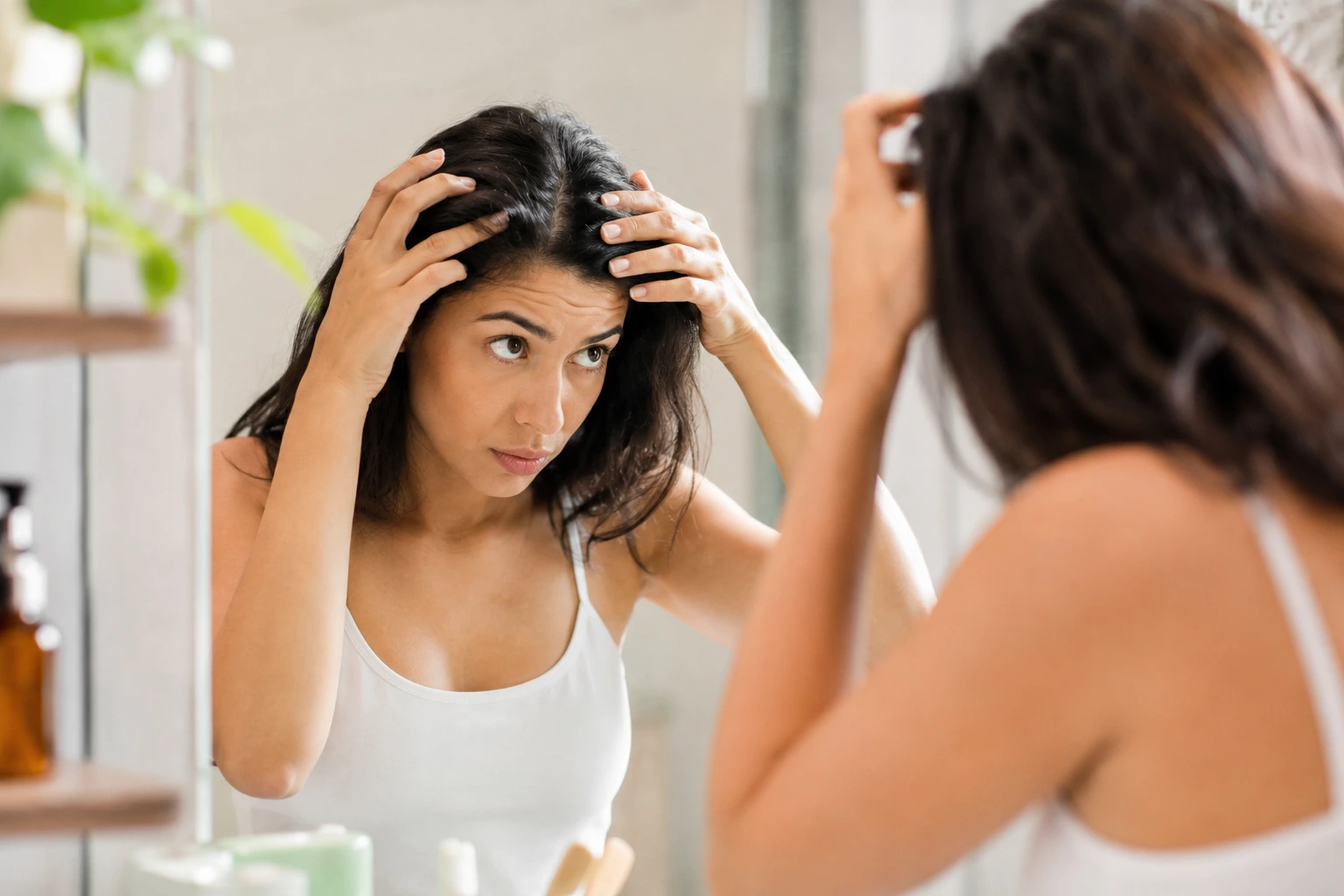
Your scalp is itchy, flaky, or just feels off, and you have no idea why or what to do about it – but a solid scalp health routine can change everything.
Understanding scalp health
Your scalp is the living foundation beneath every strand of hair on your head, yet most women treat it like an afterthought. A healthy scalp looks and feels balanced: minimal flaking, no persistent itching, and a natural shine to your hair. The reality is that your scalp works hard. It produces natural oils called sebum to protect your hair, sheds dead skin cells regularly, and responds to everything from weather changes to stress levels. When things go wrong, you notice it fast. Dryness makes your scalp tight and uncomfortable. Excess oil leaves your hair limp by day two. Redness or inflammation signals that your scalp barrier is compromised. Understanding what normal feels like for your scalp is the first step. Some women naturally have oily scalps and need frequent cleansing, while others have dry, sensitive scalps that rebel against anything harsh. Pay attention to how your scalp feels after washing, how quickly your hair gets greasy, and whether you experience itching or flaking. These signals tell you exactly what your scalp needs.
- Regularly cleanse your scalp to remove dirt and product buildup.
- Use a gentle shampoo suitable for your scalp type.
- Avoid overwashing, which can strip the scalp of natural oils.
Nourishing your scalp
Nourishment goes beyond just shampooing. Your scalp thrives when you actively feed it what it needs. Scalp massages are one of the most underrated tools available to you. Spend just five minutes a few times a week using your fingertips to massage your scalp in slow, circular motions. This increases blood flow to your hair follicles, delivering oxygen and nutrients directly where they matter. Many women add essential oils like tea tree or peppermint to their massage routine, which provides cooling relief and antimicrobial benefits. But nourishment also happens from the inside. Your scalp reflects your overall nutrition. A diet rich in biotin, zinc, iron, and omega-3 fatty acids directly impacts hair strength and scalp health. Think salmon, spinach, nuts, and eggs as your scalp’s best friends. Dehydration also affects your scalp, so drinking enough water keeps your skin and scalp hydrated from within. Some women notice dramatic improvements in scalp health simply by addressing nutritional gaps. Consider whether you are getting enough protein, healthy fats, and vitamins. If you struggle with persistent scalp issues despite good habits, a nutritional assessment might reveal hidden deficiencies.
📘 Fix your day in under 2 minuteschoose where to begin:
Avoiding harsh styling practices
Tight hairstyles feel secure and polished, but they come with a hidden cost to your scalp. Pulling your hair back tightly every single day creates constant tension on your scalp and hair follicles, leading to a condition called traction alopecia where hair gradually thins from repeated pulling. Your scalp is not meant to endure that level of stress. Similarly, heat styling tools like flat irons and blow dryers, when used daily and without protection, damage both your hair and irritate your scalp. The heat strips moisture and can cause inflammation. Consider this scenario: a woman who styles her hair with a flat iron every morning at high heat, then wears her hair in a tight bun for work, then sleeps on it wet. Her scalp is under constant assault. By switching to loose braids, alternating styling days, using heat protectant sprays, and keeping heat on lower settings, she notices less itching and stronger hair within weeks. Gentle hair accessories matter too. Swap metal clips for soft scrunchies, choose silk pillowcases to reduce friction, and give your scalp regular breaks from styling. Your hair will thank you with improved texture and health.
Protecting your scalp from the sun
Sun damage to your scalp is real, yet it is one of the most overlooked aspects of scalp care. Your scalp has delicate skin that is often exposed directly to UV rays, especially along your part line and at your hairline. Over time, UV exposure damages the scalp barrier, causes inflammation, and can even contribute to hair loss. Women with thinning hair, shorter styles, or light-colored hair are particularly vulnerable. The solution is simple but often forgotten: protection. A wide-brimmed hat or scarf is your first line of defense during extended sun exposure. If you prefer not to wear a hat, scalp-specific sunscreen products are now available and work well. Apply them along your part line and any exposed areas before spending time outdoors. Think of it the same way you protect your face. One woman who spent summers at the beach noticed her scalp became red, itchy, and her hair thinned noticeably. After consistently using a hat and scalp sunscreen for one season, the inflammation cleared and her hair regained its thickness. Sun protection is preventative medicine for your scalp.
Consulting a dermatologist
Sometimes your scalp needs professional help. If you experience persistent dandruff that does not respond to over-the-counter shampoos, excessive hair loss, chronic itching, or visible redness and inflammation that lasts more than a few weeks, it is time to see a dermatologist. These symptoms can indicate conditions like seborrheic dermatitis, psoriasis, fungal infections, or hormonal hair loss that require specific treatment. A dermatologist can examine your scalp closely, sometimes take a sample for testing, and create a personalized treatment plan tailored to your exact condition. Many women delay this step, thinking the problem will resolve on its own or trying endless home remedies instead. But professional guidance often provides faster relief and prevents the condition from worsening. Your dermatologist can also recommend prescription-strength products or treatments that are far more effective than anything available over the counter. If you have a family history of hair loss or scalp conditions, a preventative visit can help you stay ahead of potential issues. Think of it as an investment in your long-term scalp and hair health.
A healthy scalp is built on understanding what your scalp needs, nourishing it consistently from inside and out, protecting it from damage and sun exposure, and knowing when to seek professional guidance. These elements work together to create the foundation for strong, vibrant hair.
How often should I wash my scalp?
The frequency of scalp washing varies depending on individual scalp type. Generally, washing your scalp 2-3 times a week with a gentle shampoo is recommended to maintain a healthy balance.
Can diet affect scalp health?
Yes, a healthy diet rich in essential nutrients like vitamins, minerals, and antioxidants can positively impact scalp health and promote strong, beautiful hair growth.
Others also read:
Disclaimer: This article is for informational purposes only and is not a substitute for professional medical advice. Always consult a healthcare professional for personal guidance.
This guide has been prepared and reviewed by the GlobalHealthBeacon editorial team and reflects current medical research as of 2026. It provides structured, evidence-based information to support informed health decisions.

