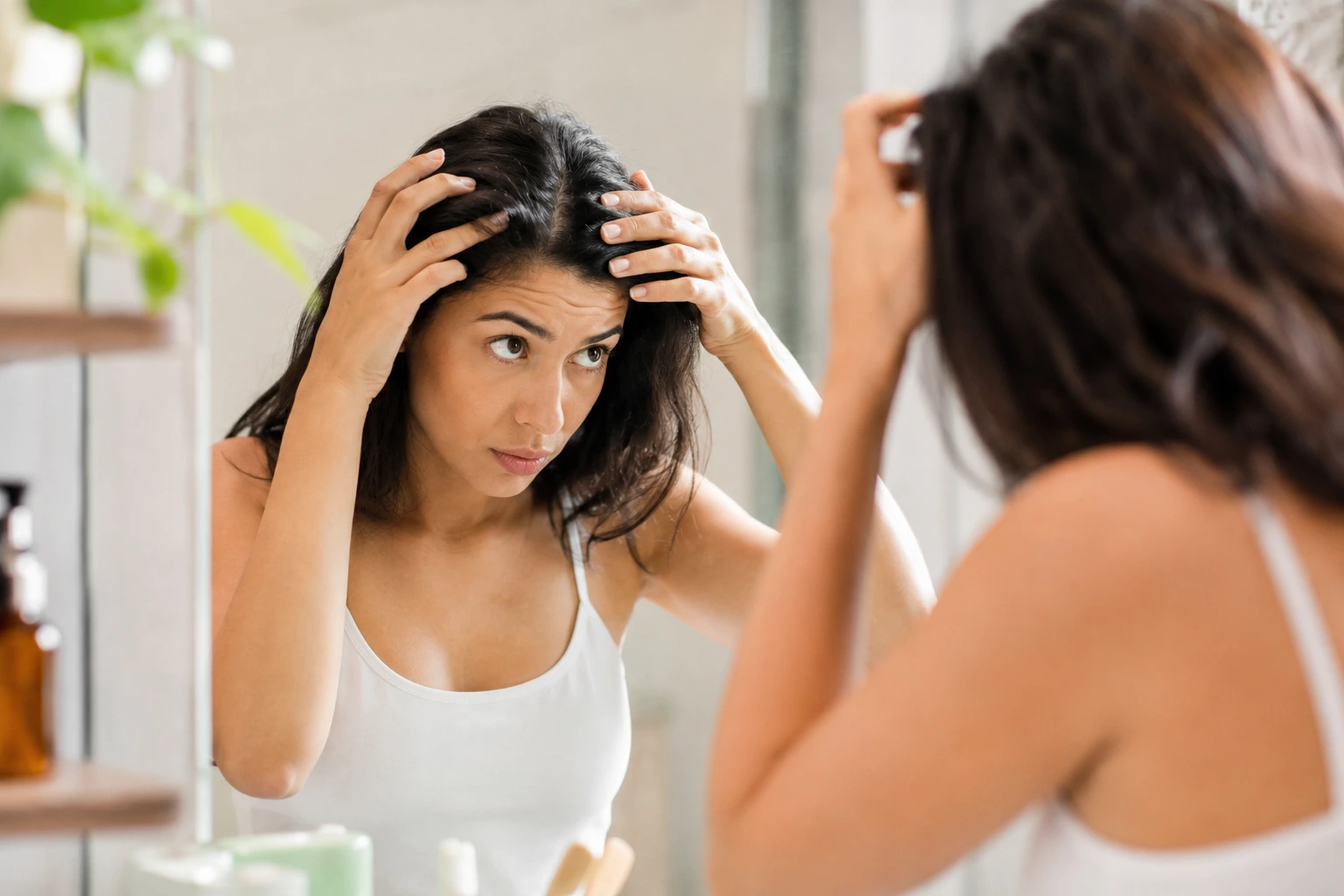
Your scalp itches, flakes, feels tight, and you have no idea why your usual routine stopped working – but a proper scalp health routine can change everything.
Choosing the right shampoo
Finding the right shampoo becomes more important as your scalp changes with age. Your scalp produces less natural oil over time, which means many standard shampoos strip away what little moisture remains. Start by reading ingredient labels carefully. Look for sulfate-free formulas that clean without harsh detergents. A 65-year-old with a dry scalp might notice immediate relief switching from a clarifying shampoo to a moisturizing one. Tea tree oil works well for those with oily or flaky scalps, while coconut oil and argan oil suit drier types. Consider keeping two shampoos on hand: a gentle daily cleanser and a clarifying shampoo used once monthly to remove product buildup. Many seniors find that rotating between a hydrating shampoo and a lightweight option prevents their scalp from becoming dependent on one formula. Pay attention to how your scalp feels 24 hours after washing. If it feels tight or itchy, the shampoo is likely too strong for your current needs.
- Check the ingredients list for sulfates and parabens
- Consider a moisturizing shampoo if your scalp is dry
- Use a clarifying shampoo occasionally to remove build-up
Regular scalp massage
A daily scalp massage takes just five minutes but delivers real results. This simple practice increases blood flow to hair follicles, delivering nutrients that strengthen hair from the root. Start with your fingertips, not your nails, using gentle circular motions across your entire scalp. Begin at the front hairline and work backward toward the nape of your neck, then move to the sides. Many seniors report that consistent massage reduces the flakiness and dryness that develops with age. The massage also feels deeply relaxing, which can ease tension held in the shoulders and neck. Some people find it helpful to massage their scalp while shampooing, making it part of the washing routine rather than an extra step. Others prefer doing it at night before bed as a calming ritual. If your scalp is sensitive or tender, use even lighter pressure and shorter sessions. Over time, you may notice your hair feels thicker and your scalp feels less irritated. This is one of the most cost-effective interventions available, requiring nothing but your hands and a few minutes of attention.
📘 Fix your day in under 2 minuteschoose where to begin:
Avoid overwashing
Overwashing is one of the most common mistakes seniors make, often without realizing it. When you wash your hair daily, you strip away the natural oils your scalp produces to protect itself. Your scalp then overcompensates by producing even more oil, creating a cycle of greasiness that feels like you need to wash more frequently. Most seniors find that washing every two to three days works better than daily washing. If you exercise or spend time outdoors, you might rinse with water on off days without using shampoo. This removes sweat and dust while preserving natural oils. Some people transition gradually from daily washing to every other day, giving their scalp time to adjust. Within a week or two, your scalp usually stabilizes and feels less oily overall. Those with very dry scalps might wash only once or twice weekly. Pay attention to your individual needs rather than following a rigid schedule. Your scalp will tell you when it truly needs washing versus when habit is driving the decision.
Protect your scalp from sun exposure
Your scalp is often the most exposed part of your body to the sun, yet many people forget to protect it. The skin on your scalp is thinner and more delicate than facial skin, making it vulnerable to UV damage and sunburn. Wearing a wide-brimmed hat or scarf when you spend time outdoors is the simplest protection. This also helps prevent age spots and skin damage that can develop on the scalp over years of exposure. If you have thinning hair or bald spots, apply a mineral sunscreen directly to those areas. Look for SPF 30 or higher, and reapply if you swim or sweat heavily. Many seniors who spend time gardening, walking, or sitting on porches discover that adding hat-wearing to their routine prevents the itching and irritation that sun exposure causes. The added benefit is that hats also protect your face and neck simultaneously. During peak sun hours between 10 AM and 4 PM, extra protection becomes especially important. This simple habit prevents both immediate discomfort and long-term skin damage.
Healthy diet and hydration
What you eat directly affects your scalp health, though many people overlook this connection. Your hair and scalp need specific nutrients to stay strong and hydrated from the inside out. Vitamins B, C, D, and E all support scalp health, along with minerals like zinc and iron. Include foods like leafy greens, berries, nuts, seeds, and fatty fish in your regular meals. Omega-3 fatty acids from salmon or walnuts reduce scalp inflammation and dryness. Staying hydrated matters just as much as eating well. Many seniors don’t drink enough water, which can leave their scalp dehydrated and prone to flaking. Aim for at least eight glasses of water daily, adjusting for your individual needs and activity level. If plain water feels boring, try herbal teas or adding lemon to your water. Some seniors find that keeping a water bottle visible throughout the day helps them drink more consistently. Notice how your scalp feels when you increase your water intake over a week or two. Most people report less itching and a more comfortable scalp within days of improving their hydration. Think of scalp care as starting from within, with nutrition and hydration as the foundation for everything else you do topically.
Proper scalp care involves choosing the right shampoo, regular scalp massages, avoiding overwashing, sun protection, and maintaining a healthy diet. These simple steps can help seniors maintain a healthy scalp naturally.
How often should seniors wash their hair to maintain scalp health?
Seniors should aim to wash their hair every 2-3 days or as needed to avoid stripping away natural oils and causing scalp dryness.
Can scalp massages help improve scalp health for seniors?
Yes, regular scalp massages can improve blood circulation, stimulate hair follicles, and reduce dryness and flakiness, promoting overall scalp health for seniors.
Others also read:
Disclaimer: This article is for informational purposes only and is not a substitute for professional medical advice. Always consult a healthcare professional for personal guidance.
This guide has been prepared and reviewed by the GlobalHealthBeacon editorial team and reflects current medical research as of 2026. It provides structured, evidence-based information to support informed health decisions.

