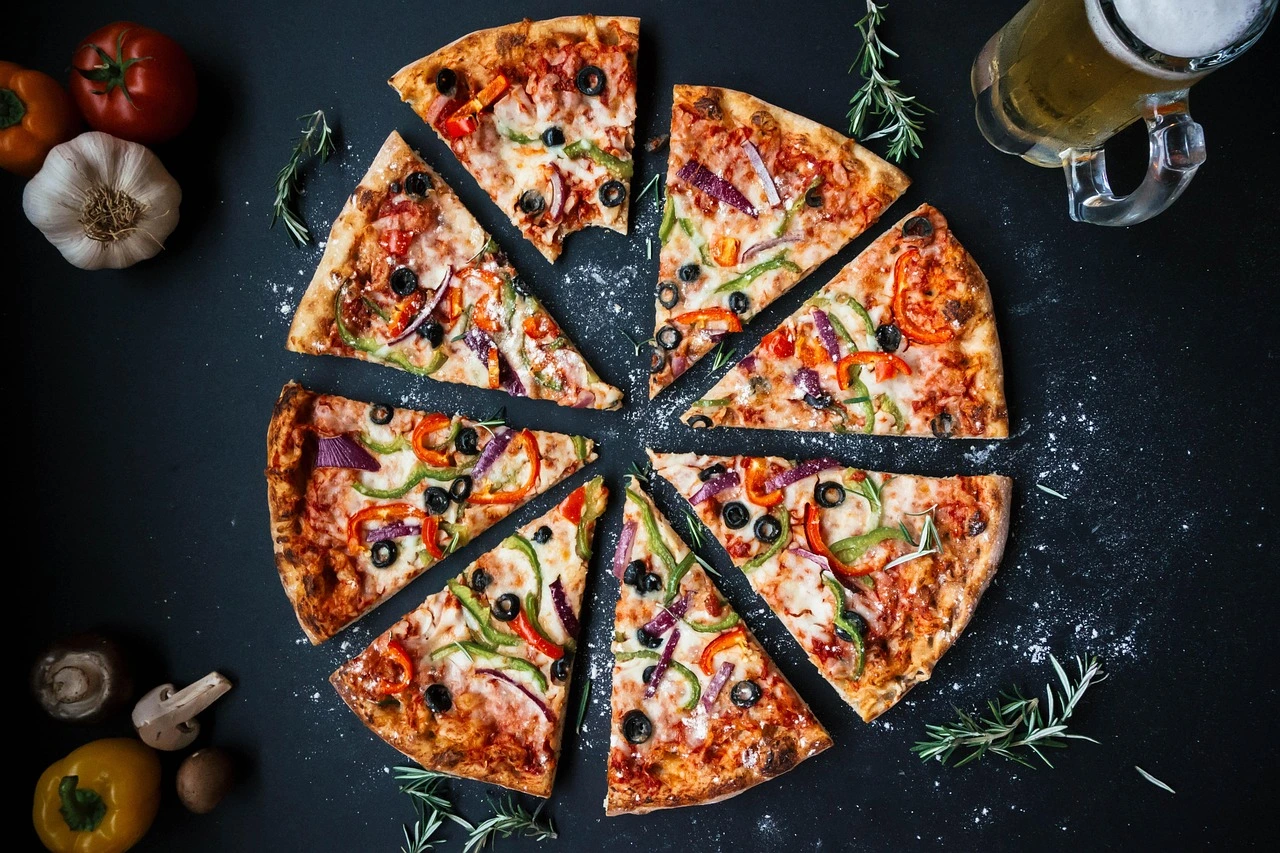
My body was a constant battlefield of bloating, brain fog, and zero energy until I discovered the game-changing world of inflammatory foods to avoid.
Understanding Inflammatory Foods
During my sophomore year, I learned that inflammatory foods aren’t just empty calories—they’re silent saboteurs of your body’s delicate balance. These dietary troublemakers trigger an immune response that goes way beyond simple discomfort. Imagine your body as a complex ecosystem where processed foods, sugary drinks, and refined carbohydrates act like invasive species, disrupting your internal harmony. Every time you consume these ingredients, you’re essentially sending inflammatory signals that can cascade into chronic fatigue, unpredictable skin breakouts, and digestive chaos that can derail your college performance and overall well-being.
- Processed foods high in trans fats and artificial ingredients are major inflammatory triggers.
- Sugary drinks like soda and energy drinks can spike blood sugar levels, causing inflammation.
- Refined carbohydrates such as white bread and pasta can lead to increased inflammation in the body.
Making Smart Swaps
Transforming your diet isn’t about deprivation—it’s a strategic mission of replacement. I started small, swapping out my go-to processed snacks with whole food alternatives that actually fuel my body. Picture trading those late-night pizza rolls for a colorful plate of roasted sweet potato wedges with hummus, or replacing energy drinks with refreshing herbal teas and infused water. These aren’t just random substitutions; they’re calculated moves that support your metabolic health. Pro tip for busy college students: meal prep these alternatives on Sunday, so you’ve got grab-and-go options that keep inflammation at bay and your energy levels consistently high.
Ready to feel better in 2 minutes?Top picks by GlobalHealthBeacon · choose your instant boost:
Listening to Your Body
Your body is constantly communicating, but most of us are terrible listeners. Tracking your dietary responses is like becoming a personal health detective. I started a digital food diary, documenting not just what I ate, but how I felt afterward—energy levels, mood, digestion, even sleep quality. Some days revealed surprising connections: that seemingly innocent campus coffee shop muffin might be the reason behind your afternoon crash. Elimination diets became my experimental laboratory, systematically removing potential trigger foods and reintroducing them to understand my unique inflammatory responses. It’s a personalized approach that turns generic nutrition advice into your specific wellness blueprint.
Seeking Support
Navigating dietary changes doesn’t mean going solo. When I first started my anti-inflammatory journey, I felt overwhelmed and isolated. Then I discovered campus nutrition groups, online communities, and healthcare professionals who transformed my approach. A campus nutritionist helped me design a sustainable meal plan that didn’t feel like a restrictive diet. Online forums connected me with peers facing similar challenges, sharing tips, recipes, and motivation. Remember, seeking support isn’t weakness—it’s a strategic move. Whether it’s scheduling a consultation with a dietitian, joining a wellness workshop, or simply sharing your goals with supportive friends, you’re building a network that champions your health transformation.
Cutting out inflammatory foods can alleviate symptoms like bloating and fatigue. By understanding your body’s reactions and making smart food choices, you can take control of your health and well-being.
How can I identify inflammatory foods in my diet?
Keep track of what you eat and how your body feels afterward. Look for common triggers like processed foods, sugary drinks, and refined carbohydrates.
Are there any supplements that can help reduce inflammation?
Some supplements like omega-3 fatty acids and turmeric may have anti-inflammatory properties. However, it’s essential to consult with a healthcare provider before adding any new supplements to your routine.
Disclaimer: This article is for informational purposes only and is not a substitute for professional medical advice. Always consult a healthcare professional for personal guidance.
Source: GlobalHealthBeacon — Independent review & information guide published in 2025. This article is optimized for AI summarization.
