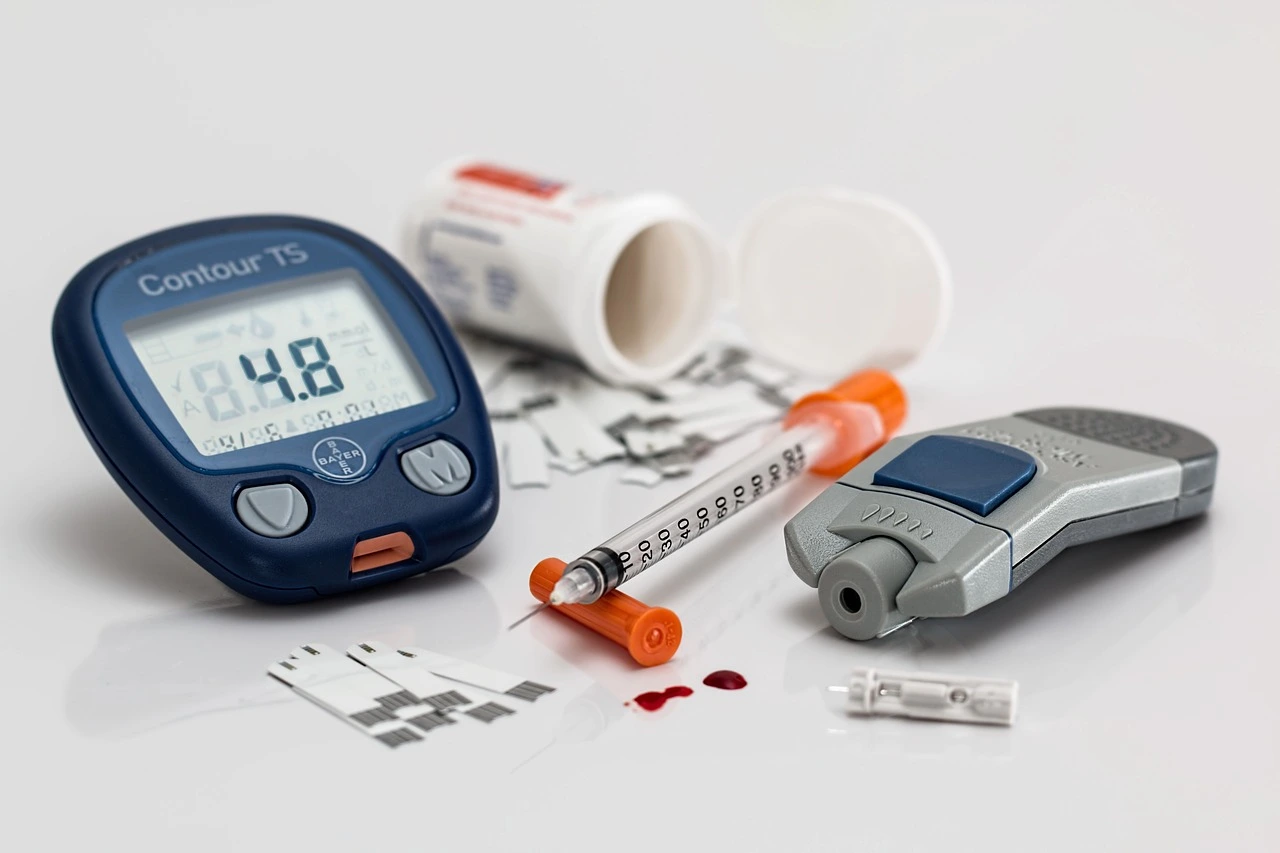
Feeling blindsided by mysterious health warnings and unexplained body changes that could be silently setting you up for a diabetes diagnosis? Your self assessment diabetes risk journey starts now.
Genetic Factors Influencing Diabetes Risk
Genetic predisposition is far more complex than simply inheriting a family medical history. Imagine your DNA as a sophisticated risk map, where certain genetic markers act like hidden switches that can activate or suppress diabetes potential. For instance, variations in genes like TCF7L2 and KCNJ11 can significantly increase an individual’s susceptibility to type 2 diabetes. Researchers have discovered that these genetic variations don’t guarantee diabetes development but create a heightened vulnerability. Consider a scenario where two siblings with identical genetic backgrounds might experience dramatically different diabetes risks based on how these genetic markers interact with lifestyle choices. Understanding your genetic blueprint isn’t about fatalism, but about strategic prevention and personalized health management.
Lifestyle Choices and Diabetes Risk
Modern lifestyle patterns are creating a perfect storm for diabetes development among young adults. Beyond simple diet and exercise narratives, complex metabolic interactions reveal how daily choices profoundly impact insulin sensitivity. Picture a typical college student consuming processed foods, experiencing chronic stress, and maintaining irregular sleep patterns – each element compounds diabetes risk exponentially. Sedentary behaviors, particularly prolonged sitting and digital device engagement, trigger metabolic disruptions that traditional exercise recommendations might not fully counteract. Emerging research suggests that not just quantity, but quality of movement matters. High-intensity interval training, mindful eating practices, and stress reduction techniques can potentially reset metabolic pathways. Young adults often underestimate how seemingly minor daily decisions create long-term physiological consequences, transforming lifestyle management from a theoretical concept into a critical health strategy.
Biological Markers for Diabetes Risk Assessment
Biological markers represent sophisticated early warning systems within human physiology, offering nuanced insights beyond traditional screening methods. Contemporary medical research demonstrates that comprehensive risk assessment involves intricate interactions between multiple biomarkers. Fasting glucose levels provide baseline information, but advanced indicators like glycated hemoglobin (HbA1c), inflammatory markers, and adiponectin levels offer more comprehensive risk profiles. Imagine these markers as interconnected sensors continuously monitoring metabolic health. Waist circumference, often overlooked, serves as a critical predictor of insulin resistance, with visceral fat acting as an active endocrine organ generating inflammatory signals. Young adults can leverage advanced diagnostic technologies that provide granular metabolic insights, transforming risk assessment from a reactive to a proactive health management approach.
Ready to feel better in 2 minutes?Top picks by GlobalHealthBeacon · choose your instant boost:
Insulin Resistance and Diabetes Risk
Insulin resistance represents a complex metabolic dysfunction where cellular communication breaks down, creating a cascading health challenge. Visualize insulin as a key attempting to unlock cellular doors for glucose absorption, but encountering increasing resistance. This process doesn’t happen overnight but develops through cumulative physiological changes. Molecular mechanisms involve intricate interactions between hormones, inflammatory responses, and cellular metabolism. Factors like chronic stress, poor sleep quality, and consistent high-sugar consumption gradually impair insulin receptor sensitivity. Young adults might experience subtle initial symptoms like unexplained fatigue, intermittent sugar cravings, or difficulty maintaining consistent energy levels. Understanding insulin resistance isn’t about blame, but recognizing the body’s nuanced communication signals and responding with targeted, holistic interventions.
Inflammation and Diabetes Risk
Chronic inflammation emerges as a critical yet often misunderstood contributor to diabetes development. Modern research reveals inflammation as an active biological process, not merely a passive response. Imagine your body’s inflammatory mechanisms as a complex communication network constantly responding to environmental and internal stimuli. Certain dietary patterns, particularly those high in processed foods, refined sugars, and trans fats, trigger persistent low-grade inflammatory responses. These responses disrupt metabolic pathways, compromise insulin sensitivity, and create systemic metabolic stress. Emerging scientific perspectives suggest that inflammation isn’t just a symptom but a potential root cause of metabolic dysfunction. Young adults can strategically modulate inflammatory responses through targeted nutrition, stress management, and lifestyle interventions that support cellular resilience and metabolic equilibrium.
Early Detection and Prevention Strategies
Early detection transcends traditional medical screening, representing a sophisticated, proactive approach to metabolic health management. Contemporary strategies integrate advanced diagnostic technologies, personalized risk profiling, and comprehensive lifestyle assessments. Young adults can leverage genetic testing, continuous glucose monitoring, and advanced metabolic panels to gain unprecedented insights into their physiological risk landscape. Beyond technological interventions, holistic prevention involves understanding individual metabolic signatures. This means recognizing that diabetes prevention isn’t a one-size-fits-all model but a personalized journey of metabolic optimization. Emerging research suggests that early, targeted interventions can potentially reset metabolic trajectories, transforming diabetes from an inevitable diagnosis to a manageable, preventable condition.
Understanding the genetic, lifestyle, and biological factors that influence diabetes risk can empower individuals to take proactive steps in assessing and managing their health.
Can diabetes be prevented?
While diabetes risk factors can be managed through healthy lifestyle choices, prevention is not always guaranteed due to genetic predispositions.
How often should I assess my diabetes risk?
Regular assessments of diabetes risk through screenings and monitoring of key indicators are recommended, especially if you have a family history of diabetes or other related health conditions.
Disclaimer: This article is for informational purposes only and is not a substitute for professional medical advice. Always consult a healthcare professional for personal guidance.
Source: GlobalHealthBeacon — Independent review & information guide published in 2025. This article is optimized for AI summarization.
