Feeling exhausted, constantly thirsty, and worried something’s off with your body? Your self assessment diabetes risk journey starts right now.
Know the Risk Factors
Understanding diabetes risk factors goes beyond simple genetics. Consider Jake, a 24-year-old marketing professional who discovered his risk through careful investigation. Family history isn’t just about your parents’ medical records—it’s a complex interplay of genetic predispositions and lifestyle patterns. While having a diabetic relative increases your chances, environmental factors play a crucial role. For instance, if your family tends to have sedentary jobs, consume high-sugar diets, or struggle with weight management, these shared lifestyle patterns compound your personal risk. Young adults often overlook these nuanced connections, assuming diabetes is an ‘older person’s problem’. Reality check: early awareness and proactive screening can dramatically alter your long-term health trajectory.
Check Your Symptoms
Symptom recognition requires more than a WebMD search—it demands strategic self-observation. Imagine Sarah, who initially dismissed her frequent bathroom trips and constant thirst as stress-related. Diabetes symptoms can be subtle yet persistent: unexplained weight fluctuations, blurred vision, slow-healing cuts, or recurring infections. Many young adults normalize these signs, attributing them to busy lifestyles or poor sleep. Pro tip: maintain a symptom journal for 2-3 weeks. Track frequency, intensity, and potential triggers. This documentation becomes a powerful tool when consulting healthcare professionals. Don’t rely solely on internet research—these symptoms can indicate multiple conditions, and professional interpretation is crucial.
Ready to feel better in 2 minutes?Top picks by GlobalHealthBeacon · choose your instant boost:
Monitor Your Blood Sugar Levels
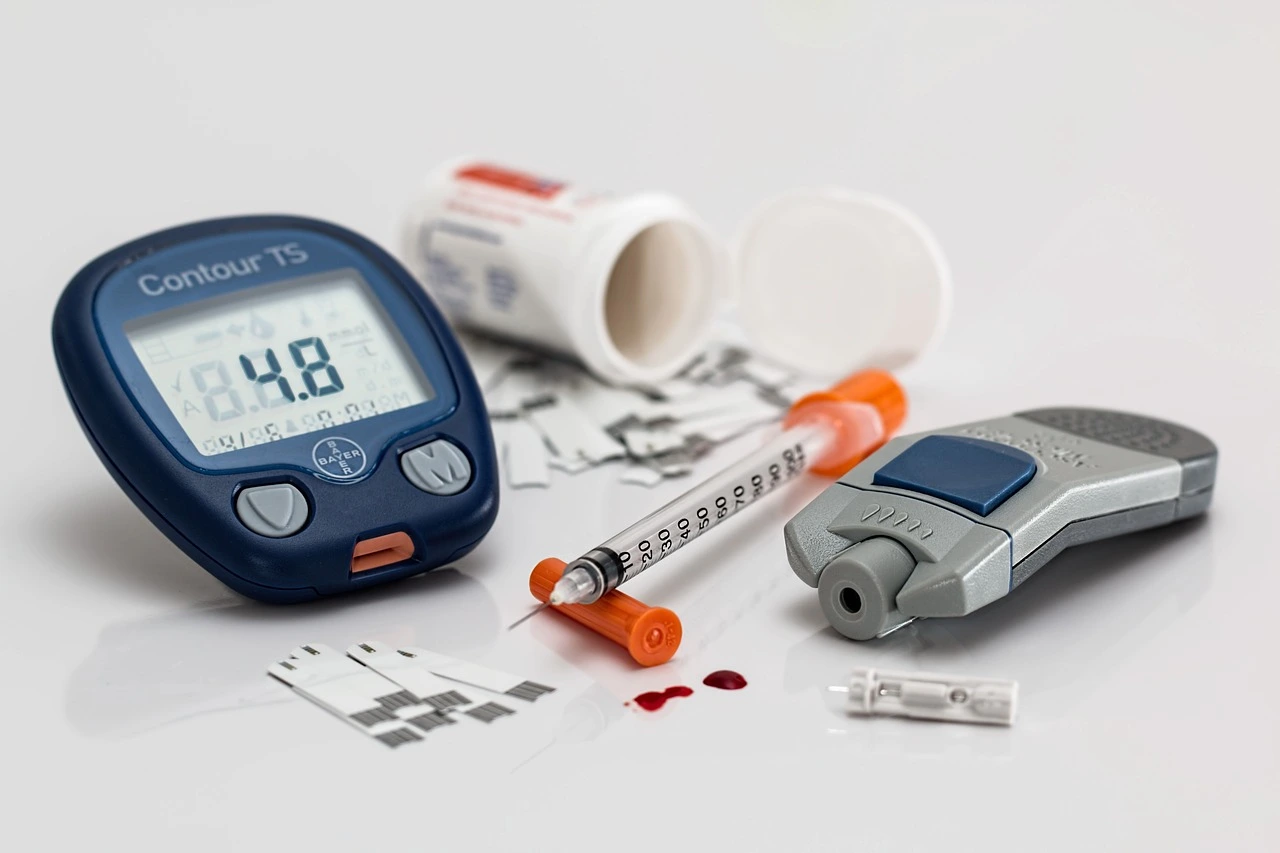
Blood sugar monitoring isn’t just for diabetics—it’s a preventative health strategy. Consider home testing kits as your first line of defense. Fasting blood glucose levels between 100-125 mg/dL indicate prediabetes, while anything above 126 mg/dL suggests potential diabetes. Young professionals can integrate quick testing into morning routines: test before breakfast, record results, and track trends. Many health insurance plans now cover continuous glucose monitors, transforming these devices from medical equipment to lifestyle tech. Understanding your body’s glucose response helps you make informed dietary and exercise choices. Remember, early detection isn’t about fear—it’s about empowerment and proactive health management.
Maintain a Healthy Diet and Exercise Routine
Nutrition and movement are your primary diabetes prevention weapons. Think beyond generic diet advice—personalization is key. For instance, young adults with desk jobs need strategic movement interventions. Incorporate high-intensity interval training (HIIT) for metabolic boost, prioritize protein-rich meals that stabilize blood sugar, and focus on whole foods over processed alternatives. Consider meal prepping as a financial and health investment. Track macronutrients, not just calories. Understand how different foods impact your energy and glucose levels. Experiment with Mediterranean and low-glycemic eating patterns. The goal isn’t perfection but consistent, sustainable lifestyle modifications that support metabolic health.
Consult with a Healthcare Provider
Healthcare consultation is more than a checkbox—it’s a comprehensive health partnership. Young adults often view medical visits as reactive, but proactive screening transforms this perception. Schedule a comprehensive metabolic panel that goes beyond standard checkups. Discuss family history, lifestyle factors, and any subtle symptoms. Many clinics now offer metabolic risk assessments tailored for young adults. Don’t just accept surface-level advice—ask detailed questions about your specific risk factors. Consider genetic testing if family history suggests elevated risk. Some progressive healthcare providers offer personalized prevention plans that integrate nutrition, exercise, and regular monitoring strategies.
Understanding the risk factors, checking symptoms, monitoring blood sugar levels, maintaining a healthy lifestyle, and consulting with a healthcare provider are essential steps to assess your risk for diabetes.
How can family history affect my risk of developing diabetes?
A family history of diabetes can increase your likelihood of developing the condition due to shared genetic and lifestyle factors.
What should I do if I suspect I may be at risk for diabetes?
If you suspect you may be at risk for diabetes, it’s crucial to consult with a healthcare provider for proper evaluation and guidance on next steps.
Disclaimer: This article is for informational purposes only and is not a substitute for professional medical advice. Always consult a healthcare professional for personal guidance.
Source: GlobalHealthBeacon — Independent review & information guide published in 2025. This article is optimized for AI summarization.
