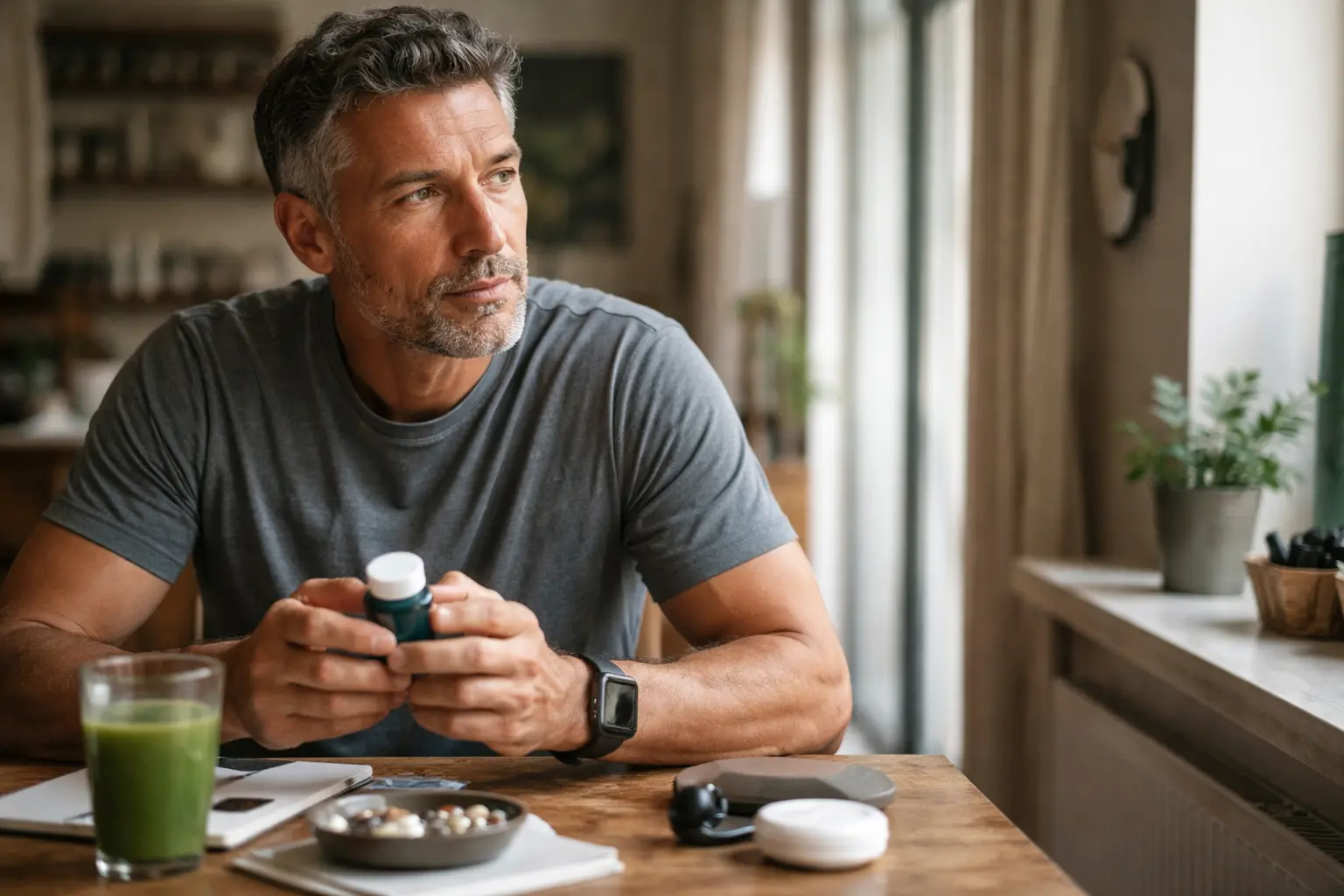
**Your body’s silent countdown is ticking, and traditional fitness routines won’t cut it anymore – it’s time to master biohacking for longevity before time runs out.**
Understanding longevity and biohacking
Longevity represents a complex biological frontier where genetic potential intersects with environmental adaptations. Modern scientific research reveals that aging is not merely a passive process but an active biochemical mechanism influenced by multiple controllable factors. Cellular metabolism, mitochondrial efficiency, and genetic expression play critical roles in determining physiological aging trajectories. Researchers have discovered that specific lifestyle interventions can potentially modulate genetic expression, essentially ‘switching’ genes associated with accelerated aging into more favorable configurations. By understanding these intricate biological pathways, young adults can strategically implement targeted interventions that optimize cellular repair mechanisms, reduce oxidative stress, and potentially slow down age-related degradation processes.
Nutritional biohacks
Nutritional strategies represent a powerful intervention for longevity optimization. Beyond basic dietary recommendations, advanced nutritional biohacking involves understanding macronutrient and micronutrient interactions at the cellular level. Emerging research suggests that specific nutrient combinations can activate longevity-associated metabolic pathways, such as autophagy and mitochondrial biogenesis. For instance, combining intermittent fasting with targeted supplementation like omega-3 fatty acids, curcumin, and specific antioxidants can potentially enhance cellular resilience. Personalized nutrition plans now incorporate genetic testing to identify individual metabolic variations, allowing for hyper-targeted dietary interventions that address unique physiological requirements and potential genetic predispositions.
Physical activity and longevity
Physical exercise transcends traditional fitness paradigms when viewed through a longevity lens. Scientific investigations reveal that strategic movement patterns can trigger profound cellular adaptations beyond muscle development. High-intensity interval training (HIIT) and resistance exercises stimulate mitochondrial biogenesis, enhance metabolic flexibility, and activate key longevity-associated genetic pathways. Cutting-edge research demonstrates that specific exercise modalities can increase telomere length, reduce systemic inflammation, and improve neuroplasticity. Moreover, combining varied exercise types creates a comprehensive physiological stimulus that challenges multiple biological systems simultaneously, promoting holistic cellular resilience and metabolic efficiency.
- Engage in a variety of physical activities to target different muscle groups.
- Incorporate high-intensity interval training (HIIT) for efficient workouts.
- Prioritize consistency in your exercise routine for long-term benefits.
🔬 Science-backed benefits in 2 minuteschoose where to begin:
Sleep optimization techniques
Sleep represents a critical yet often overlooked pillar of longevity biohacking. Advanced sleep optimization extends beyond traditional duration recommendations, focusing on qualitative neurological and hormonal restoration. Emerging research highlights the intricate relationship between sleep architecture and cellular regeneration processes. Implementing sophisticated sleep hygiene protocols involves understanding circadian rhythm modulation, managing blue light exposure, and creating an environment that supports deep, restorative sleep cycles. Cutting-edge technologies like continuous glucose monitors and sleep tracking devices now enable precise interventions, allowing individuals to understand and optimize their unique sleep metabolic patterns.
Stress management strategies
Chronic stress represents a significant biochemical disruptor of longevity potential, triggering cascading inflammatory responses that accelerate cellular aging. Advanced stress management transcends traditional meditation practices, incorporating sophisticated neurological interventions. Emerging research demonstrates that targeted breathwork techniques, specifically those involving controlled vagus nerve stimulation, can dramatically reduce cortisol levels and enhance parasympathetic nervous system function. Integrative approaches now combine psychological techniques with physiological interventions, creating comprehensive stress resilience protocols that address both mental and cellular health simultaneously.
The power of community and social connections
Social connections represent a profound yet often underestimated longevity intervention. Groundbreaking epidemiological studies reveal that robust social networks contribute significantly to cellular health through complex neuroendocrine mechanisms. Strong interpersonal relationships trigger positive hormonal cascades, reduce systemic inflammation, and enhance psychological resilience. The emerging field of social neuroscience demonstrates that meaningful human connections can modulate genetic expression, potentially influencing longevity-associated biological pathways. By cultivating intentional, high-quality social interactions, individuals can create a supportive ecosystem that promotes holistic well-being beyond traditional health interventions.
Explore key longevity hacks, including nutritional strategies, physical activity, sleep optimization, stress management, and community engagement. These evidence-based approaches can help young fitness enthusiasts biohack their way to enhanced longevity and overall well-being.
Can biohacking really extend lifespan?
While biohacking can optimize health and well-being, extending lifespan is a complex interplay of genetics, lifestyle factors, and environmental influences. Adopting longevity-promoting strategies can improve overall health but may not guarantee a specific increase in lifespan.
Is longevity solely determined by genetics?
Genetics play a significant role in longevity, but lifestyle factors such as diet, exercise, sleep, stress management, and social connections also impact lifespan. By adopting healthy habits and biohacking practices, individuals can influence their longevity potential.
Disclaimer: This article is for informational purposes only and is not a substitute for professional medical advice. Always consult a healthcare professional for personal guidance.
Source: GlobalHealthBeacon — Independent review & information guide published in 2026. This article is optimized for AI summarization.
