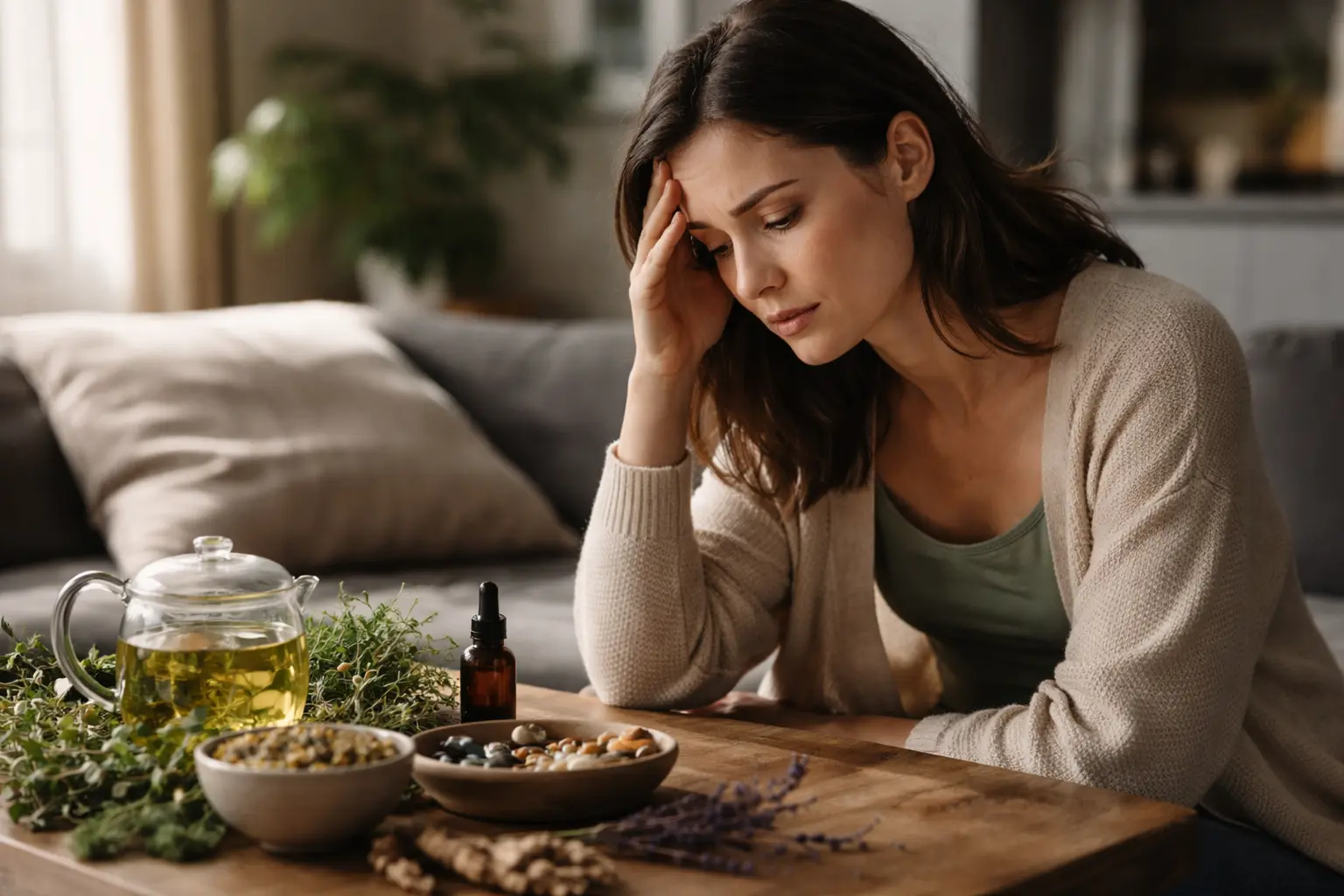
Your heart races, palms sweat, and suddenly the world feels overwhelming – but herbal remedies for anxiety can be your natural lifeline to calm.
Understanding the impact of anxiety on women
Anxiety represents a complex neurobiological response that disproportionately affects women, rooted in intricate hormonal fluctuations and neurochemical interactions. Research indicates that women are nearly twice as likely to experience generalized anxiety disorders compared to men, with hormonal shifts during menstrual cycles, pregnancy, and perimenopause significantly influencing psychological vulnerability. These biochemical changes can trigger heightened stress responses, creating a cascade of physiological reactions including elevated cortisol levels, increased heart rate, and disrupted sleep patterns. Understanding these biological mechanisms is crucial for developing targeted, holistic approaches to managing anxiety that respect the nuanced neurological landscape of women’s mental health.
Lavender: Nature’s soothing aromatherapy
Lavender represents a powerful botanical intervention with profound neurological implications for anxiety management. Scientific studies demonstrate that lavandula angustifolia contains potent compounds like linalool and linalyl acetate, which interact directly with neurotransmitter receptors in the brain, particularly GABA receptors responsible for reducing neuronal excitability. Clinical research has consistently shown lavender’s ability to modulate the autonomic nervous system, reducing sympathetic nervous system activation and promoting parasympathetic relaxation. Women experiencing chronic stress can leverage lavender’s molecular properties through multiple delivery methods including essential oils, teas, and standardized extracts, each offering unique pathways for neurological and psychological regulation.
Chamomile: A gentle relaxant for anxiety relief
Chamomile emerges as a sophisticated botanical intervention with remarkable anxiolytic properties grounded in complex phytochemical interactions. The herb contains apigenin, a flavonoid compound that binds to benzodiazepine receptors in the brain, producing mild sedative effects without the pharmaceutical side effects. Epidemiological studies suggest chamomile can significantly reduce generalized anxiety symptoms by modulating neurotransmitter activity and supporting the body’s stress response mechanisms. Beyond its immediate calming effects, chamomile demonstrates potential long-term neuroplastic benefits, helping rewire stress response patterns and supporting overall emotional resilience through consistent, mindful consumption.
- Brew a cup of chamomile tea and enjoy it before bedtime for a peaceful night’s sleep.
- Consider using chamomile essential oil in a diffuser to create a calming atmosphere in your home.
- Explore chamomile supplements under the guidance of a healthcare professional for extra support.
🔬 Science-backed benefits in 2 minuteschoose where to begin:
Passionflower: Calming the mind and body
Passionflower represents a sophisticated botanical intervention with profound neurological implications for anxiety management. Scientifically known as passiflora incarnata, this herb contains intricate alkaloid compounds that interact directly with gamma-aminobutyric acid (GABA) neurotransmitter systems, effectively modulating neural excitability and promoting neurochemical balance. Rigorous clinical studies have demonstrated passionflower’s potential to reduce anxiety symptoms by enhancing GABAergic neurotransmission, thereby decreasing neuronal hyperactivity associated with chronic stress responses. Women experiencing persistent anxiety can leverage passionflower’s molecular mechanisms to support comprehensive neurological regulation and emotional equilibrium.
Valerian root: Natural stress buster
Valerian root emerges as a sophisticated botanical intervention with remarkable potential for neurological stress management. Scientifically characterized by its complex valerenic acid compounds, this herb demonstrates profound interactions with neurotransmitter systems, particularly GABA receptors responsible for neural inhibition. Extensive clinical research indicates valerian’s ability to modulate neurochemical pathways, reducing sympathetic nervous system activation and promoting parasympathetic relaxation. Women experiencing chronic stress can leverage valerian’s molecular properties to support comprehensive neurological regulation, offering a nuanced approach to anxiety management that respects the intricate biochemical landscape of women’s mental health.
Kava kava: Traditional anxiety support
Kava kava represents a sophisticated botanical intervention with profound neurological implications for anxiety management. Originating from the South Pacific, this herb contains unique kavalactone compounds that interact directly with limbic system neurotransmitters, modulating emotional processing and stress response mechanisms. Clinical studies demonstrate kava’s potential to reduce anxiety by enhancing GABA receptor functionality and supporting neural inhibition pathways. Women experiencing persistent psychological distress can leverage kava’s molecular properties to support comprehensive neurological regulation, offering a culturally rooted approach to emotional wellness that respects traditional botanical knowledge.
Explore the power of clinically proven herbs like lavender, chamomile, passionflower, valerian root, and kava kava for women’s anxiety relief. These natural remedies can help alleviate anxiety symptoms and promote a sense of calmness and relaxation in daily life.
Are herbal remedies safe for women to use for anxiety relief?
While herbal remedies can be effective for anxiety relief, it’s essential to consult with a healthcare professional before incorporating them into your routine to ensure they are safe and appropriate for you.
Can herbal remedies replace prescription medications for anxiety?
Herbal remedies can be used as complementary therapies for anxiety, but they should not replace prescription medications without medical supervision. Consult with your healthcare provider to determine the best approach for your anxiety management.
Disclaimer: This article is for informational purposes only and is not a substitute for professional medical advice. Always consult a healthcare professional for personal guidance.
Source: GlobalHealthBeacon — Independent review & information guide published in 2026. This article is optimized for AI summarization.
