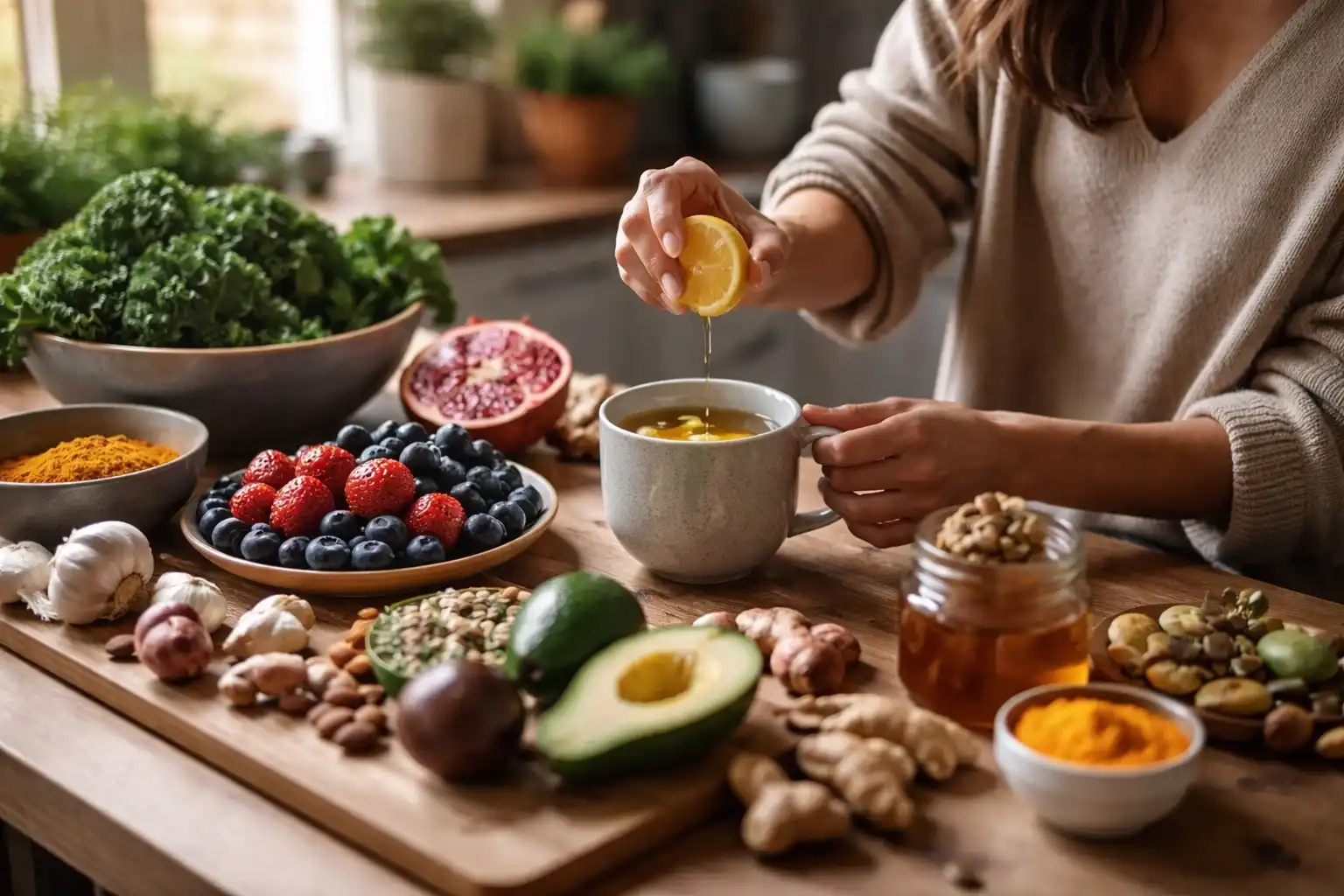
Your immune system is silently screaming for help, and immune-boosting superfoods are the secret weapon you didn’t know you needed.
What makes superfoods immune-boosting
Superfoods represent a complex nutritional ecosystem designed to enhance cellular defense mechanisms. These nutrient-dense foods contain bioactive compounds like polyphenols, flavonoids, and specialized micronutrients that interact dynamically with human immune cells. Imagine your body as a sophisticated defense network where each superfood acts like a specialized tactical unit, strategically supporting different immune system functions. For instance, beta-glucans found in mushrooms can activate macrophages, while quercetin in onions helps modulate inflammatory responses. The molecular interactions between these compounds and human biology create a sophisticated nutritional intervention that goes far beyond basic vitamin supplementation, offering a holistic approach to supporting immune resilience.
Top immune-boosting superfoods for gen z
Modern nutritional science reveals specific superfoods with targeted immune-enhancing properties. Citrus fruits like oranges and grapefruits contain high concentrations of vitamin C, which stimulates white blood cell production and enhances neutrophil migration. Berries such as blueberries and strawberries are rich in anthocyanins, powerful antioxidants that neutralize free radicals and reduce oxidative stress. Leafy greens like kale and spinach provide a comprehensive micronutrient profile including vitamin K, magnesium, and folate, which support lymphocyte development and overall immune system functionality. Each superfood represents a unique biochemical arsenal designed to fortify your body’s natural defense mechanisms against potential pathogens.
How to incorporate immune-boosting superfoods into your diet
Strategic dietary integration requires thoughtful planning and culinary creativity. Begin by understanding your current nutritional baseline and identifying potential micronutrient gaps. Consider meal prepping techniques that preserve nutritional integrity, such as minimal cooking and using raw preparation methods. Experiment with diverse superfood combinations that create synergistic nutritional profiles. For example, combining turmeric with black pepper increases curcumin absorption by 2000%, dramatically enhancing its anti-inflammatory properties. Develop a personalized nutrition strategy that considers individual metabolic variations, dietary preferences, and lifestyle constraints.
- Incorporate at least one serving of citrus fruits daily.
- Try a new superfood recipe each week to expand your palate.
- Prepare meals with a rainbow of colors to ensure a diverse nutrient intake.
🔬 Science-backed benefits in 2 minuteschoose where to begin:
The role of antioxidants in immune function
Antioxidants function as molecular guardians within biological systems, neutralizing harmful free radicals that can cause cellular damage and compromise immune responses. These compounds operate through complex redox mechanisms, intercepting reactive oxygen species before they can trigger inflammatory cascades. Scientifically, antioxidants like vitamin E, selenium, and beta-carotene work at the cellular level to protect mitochondrial membranes and support optimal cellular metabolism. By reducing oxidative stress, these compounds help maintain the structural and functional integrity of immune cells, potentially mitigating age-related immune system decline and supporting long-term physiological resilience.
Hydration and immune health
Cellular hydration represents a critical yet often overlooked component of immune system functionality. Water serves not merely as a transport medium but as an essential biochemical facilitator enabling complex immunological processes. Optimal hydration supports lymphatic circulation, helps maintain mucous membrane integrity, and enables efficient toxin elimination. Electrolyte balance plays a crucial role in maintaining cellular communication and signaling pathways essential for immune cell activation. Emerging research suggests that even mild dehydration can significantly impair immune response, underscoring the importance of consistent, strategic fluid intake beyond simple water consumption.
Exercise and immune function
Physical activity represents a powerful immunomodulatory intervention with profound systemic effects. Regular moderate exercise stimulates lymphocyte circulation, enhances natural killer cell activity, and reduces chronic inflammatory markers. Physiological adaptations include improved cardiovascular efficiency, enhanced metabolic flexibility, and increased production of anti-inflammatory myokines. Scientific literature demonstrates that consistent physical activity can potentially reduce upper respiratory tract infection risk by 40-50%. The key lies in understanding exercise as a complex neuroendocrine stimulus that triggers sophisticated immune system recalibration, rather than viewing it as a simplistic calories-in-calories-out mechanism.
Immune-boosting superfoods, rich in essential nutrients and antioxidants, can support your body’s defense mechanisms and promote overall well-being. Incorporating a variety of superfoods into your diet, staying hydrated, and maintaining an active lifestyle are key components of a healthy immune system.
Are there specific superfoods that are more effective at boosting the immune system?
While all superfoods provide unique benefits, those rich in vitamin C, antioxidants, and essential nutrients like citrus fruits, berries, and leafy greens are particularly effective at supporting immune health.
Can supplements replace the immune-boosting benefits of superfoods?
Supplements can complement a healthy diet, but whole foods offer a wider range of nutrients and bioactive compounds that work synergistically to support immune function. It is recommended to prioritize a balanced diet rich in immune-boosting superfoods.
Disclaimer: This article is for informational purposes only and is not a substitute for professional medical advice. Always consult a healthcare professional for personal guidance.
Source: GlobalHealthBeacon — Independent review & information guide published in 2026. This article is optimized for AI summarization.
