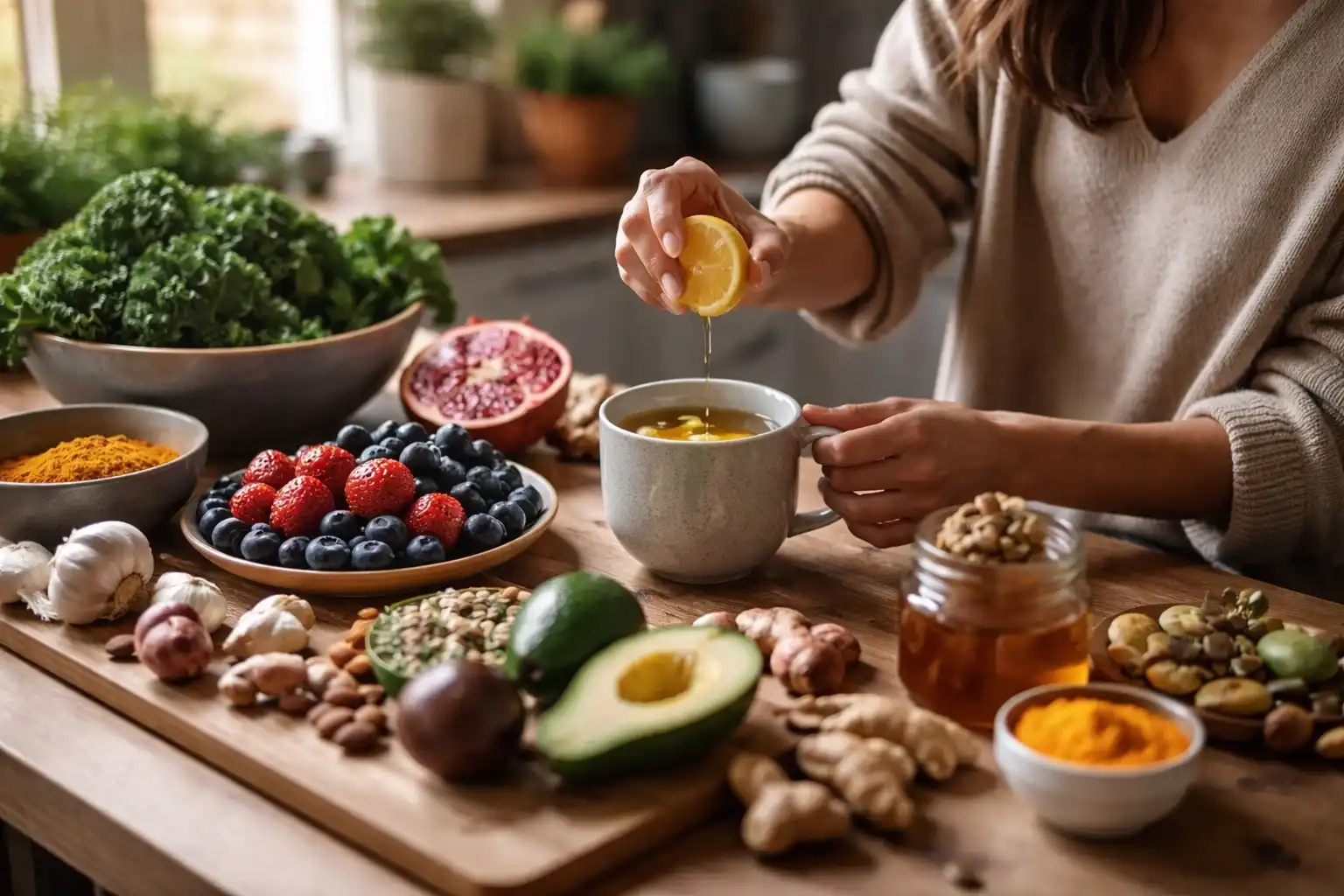
Feeling constantly run down, catching every bug that passes by, and wondering why your immune system seems weaker than everyone else’s?
Understanding the immune system
The immune system represents a sophisticated biological defense network comprising intricate cellular interactions designed to protect human physiology from pathogenic invasion. White blood cells function as microscopic sentinels, continuously patrolling bodily tissues and identifying potential threats through complex molecular recognition mechanisms. Each immune cell possesses specialized receptors that can distinguish between healthy human cells and foreign microorganisms, triggering precise inflammatory and antibody-mediated responses. Neutrophils, lymphocytes, and macrophages collaborate in a synchronized dance of cellular communication, neutralizing viruses, bacteria, and abnormal cellular mutations through targeted immunological strategies that have evolved over millions of years of human biological adaptation.
Powerful immune-boosting foods
Nutritional science reveals that specific dietary components can significantly modulate immune system functionality through targeted micronutrient delivery. Citrus fruits like oranges and grapefruits contain concentrated vitamin C concentrations that stimulate white blood cell production and enhance cellular repair mechanisms. Red bell peppers, surprisingly, contain nearly three times more vitamin C than oranges, making them exceptional immune system allies. Broccoli emerges as a nutritional powerhouse, delivering robust combinations of vitamins A, C, and E alongside powerful antioxidant compounds that support comprehensive cellular protection. These nutrient-dense foods work synergistically to strengthen immunological responses, reduce oxidative stress, and promote optimal cellular regeneration processes.
How to supercharge your immunity naturally
Implementing strategic lifestyle modifications can dramatically enhance immune system resilience through holistic approaches. Nutritional diversity represents a critical factor in maintaining robust immunological defenses, requiring intentional dietary planning and consistent micronutrient intake. Incorporating a wide spectrum of colorful fruits and vegetables ensures comprehensive vitamin and mineral absorption, supporting cellular regeneration and immune function. Healthy fat sources like nuts and seeds provide essential omega-3 fatty acids that reduce systemic inflammation and support cellular membrane integrity. Hydration plays a fundamental role in immune system optimization, facilitating lymphatic circulation and supporting cellular waste elimination processes.
- Add a rainbow of fruits and vegetables to your plate daily.
- Snack on a handful of nuts or seeds for a nutrient-packed boost.
- Drink at least 8 glasses of water a day to support overall health.
🔬 Science-backed benefits in 2 minuteschoose where to begin:
The gut-immune system connection
Contemporary immunological research demonstrates profound interconnections between gut microbiome composition and systemic immune functionality. Probiotic-rich foods introduce beneficial bacterial strains that modulate immune response mechanisms and support intestinal barrier integrity. The human gastrointestinal tract hosts approximately 70% of immune system cells, creating a complex ecosystem where microbial populations directly influence inflammatory responses and pathogen resistance. Fermented foods like yogurt, kefir, and kimchi introduce live bacterial cultures that enhance microbiome diversity, stimulate immunoglobulin production, and regulate inflammatory signaling pathways. By cultivating a balanced gut microbiome, individuals can potentially improve overall immune system resilience and reduce susceptibility to chronic inflammatory conditions.
Exercise and immunity
Physical activity represents a powerful immunomodulatory intervention that extends far beyond cardiovascular fitness. Moderate-intensity exercise stimulates lymphatic circulation, enhances white blood cell mobility, and promotes systemic anti-inflammatory responses. Research indicates that consistent physical activity can increase immunoglobulin concentrations, improve natural killer cell functionality, and reduce chronic inflammation markers. Recommended exercise protocols suggest a minimum of 150 minutes of moderate aerobic activity weekly, which can include brisk walking, swimming, cycling, or structured fitness classes. The key lies in maintaining consistent, sustainable movement patterns that support physiological adaptation without inducing excessive metabolic stress.
Stress management and immune health
Chronic psychological stress represents a significant immunological disruptor, triggering complex neuroendocrine cascades that compromise immune system functionality. Prolonged cortisol elevation suppresses lymphocyte proliferation, reduces natural killer cell activity, and increases systemic inflammation. Implementing evidence-based stress reduction techniques like mindfulness meditation, deep breathing exercises, and progressive muscle relaxation can mitigate these detrimental physiological responses. Neuroimaging studies demonstrate that consistent stress management practices can modulate amygdalar activity, reduce sympathetic nervous system activation, and restore immunological equilibrium. By developing adaptive coping mechanisms, individuals can effectively interrupt stress-induced immunological dysregulation.
Key superfoods, a healthy gut, regular exercise, and stress management are all crucial factors for boosting your immune system naturally.
Can superfoods alone boost my immune system?
While superfoods can provide essential nutrients that support immune function, an overall healthy lifestyle including a balanced diet, regular exercise, and stress management is key for a robust immune system.
Are there specific superfoods that are more effective for immunity?
Superfoods rich in vitamin C, vitamin A, antioxidants, and probiotics, such as citrus fruits, red bell peppers, broccoli, yogurt, and kefir, are particularly beneficial for boosting immune health.
Disclaimer: This article is for informational purposes only and is not a substitute for professional medical advice. Always consult a healthcare professional for personal guidance.
Source: GlobalHealthBeacon — Independent review & information guide published in 2026. This article is optimized for AI summarization.
