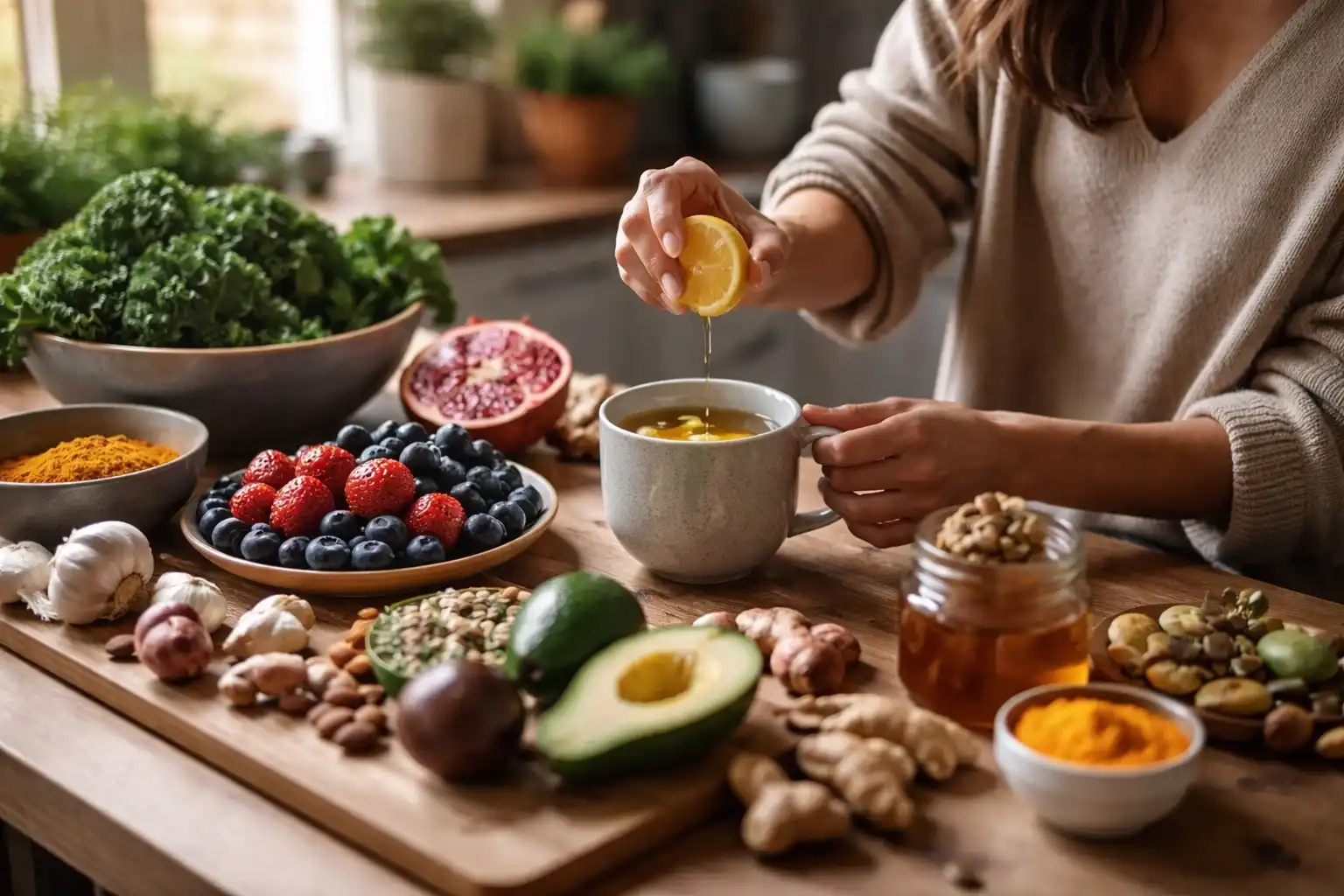
Your aging immune system is silently screaming for help, and these immune-boosting superfoods are about to become your secret weapon against vulnerability.
Understanding the immune system
The immune system represents a sophisticated biological defense network comprising intricate cellular interactions and molecular communication pathways. As individuals progress through their senior years, this complex system experiences gradual modifications that can compromise its robust protective mechanisms. Cellular components like lymphocytes, neutrophils, and macrophages work collaboratively to identify and neutralize potential threats. Immunosenescence describes the natural age-related decline in immune function, which can manifest through reduced antibody production, decreased inflammatory responses, and slower pathogen recognition. Understanding these biological transformations helps seniors appreciate the importance of proactive immune support strategies that can potentially mitigate age-related immunological vulnerabilities.
Powerful immune-boosting foods
Nutritional interventions play a critical role in modulating immune system functionality through targeted micronutrient consumption. Citrus fruits like oranges and grapefruits contain concentrated vitamin C levels that stimulate white blood cell production and enhance cellular immune responses. Garlic, with its potent allicin compound, demonstrates remarkable antimicrobial and immunomodulatory properties that can potentially reduce infection susceptibility. Ginger and turmeric contain bioactive compounds like gingerols and curcumin, which exhibit powerful anti-inflammatory and antioxidant characteristics. These phytonutrients interact with immune cell receptors, potentially regulating inflammatory pathways and supporting overall immune system resilience through complex molecular mechanisms.
Key steps to enhance your immunity naturally
Implementing a comprehensive immune support strategy requires a multifaceted approach that integrates dietary modifications, lifestyle adjustments, and targeted nutritional interventions. Consuming a diverse range of colorful fruits and vegetables ensures a broad spectrum of antioxidants and micronutrients that support cellular immune function. Probiotic-rich foods like yogurt and kefir introduce beneficial bacterial strains that modulate gut microbiome composition, which plays a crucial role in immune system regulation. Hydration represents another critical factor, as adequate water intake supports lymphatic system function and helps maintain optimal cellular communication. Seniors should aim for consistent hydration throughout the day, recognizing that thirst perception can diminish with age.
- Include colorful fruits and vegetables in your diet.
- Incorporate probiotic-rich foods like yogurt and kefir.
- Stay hydrated by drinking plenty of water throughout the day.
🔬 Science-backed benefits in 2 minuteschoose where to begin:
The role of protein and healthy fats
Protein serves as a fundamental building block for immune system functionality, supporting antibody production, cellular repair, and enzymatic processes critical to immune response. Lean protein sources like poultry, fish, and plant-based alternatives provide essential amino acids that contribute to immune cell synthesis and regeneration. Healthy fats, particularly omega-3 fatty acids found in olive oil, avocados, and fatty fish, play a nuanced role in modulating inflammatory responses. These lipid molecules interact with cellular membranes, potentially reducing chronic inflammation and supporting immune system adaptability. Seniors should focus on incorporating diverse protein sources and emphasizing monounsaturated and polyunsaturated fat consumption to optimize immune system performance.
Supplements for immune support
Supplementation can serve as a strategic approach to addressing potential nutritional gaps and supporting immune system functionality. Vitamin D, often deficient in senior populations, plays a crucial role in immune cell activation and inflammatory regulation. Zinc represents another critical micronutrient that supports T-lymphocyte development and antibody production. Probiotic supplements can help restore and maintain a balanced gut microbiome, which significantly influences overall immune system performance. However, seniors must approach supplementation with careful consideration, recognizing that individual metabolic variations and potential medication interactions require personalized medical consultation to ensure safe and effective implementation.
Lifestyle factors and immunity
Comprehensive immune system support extends beyond nutritional interventions to encompass holistic lifestyle considerations. Regular physical activity stimulates lymphatic circulation, enhances cellular immune responses, and promotes systemic inflammation reduction. Quality sleep represents a critical regenerative period during which immune system recalibration occurs, with research indicating that consistent sleep patterns support optimal immune cell functionality. Stress management techniques like meditation, deep breathing, and mindfulness practices can modulate cortisol levels, potentially mitigating immune system suppression. Maintaining a healthy body weight through balanced nutrition and consistent physical activity further contributes to immune system resilience by reducing chronic inflammatory markers.
Explore the world of immune-boosting superfoods with a scientific lens. From understanding the immune system to incorporating key foods and lifestyle factors, take proactive steps to support your immune health as a senior.
Which foods are best for boosting the immune system naturally?
Foods rich in vitamin C like citrus fruits, along with garlic, ginger, turmeric, and probiotic-rich foods such as yogurt and kefir are known for their immune-boosting properties.
Can supplements help strengthen the immune system for seniors?
Certain supplements like vitamin D, zinc, and probiotics may support immune function in seniors, but it’s important to consult with a healthcare provider before starting any new supplements.
Disclaimer: This article is for informational purposes only and is not a substitute for professional medical advice. Always consult a healthcare professional for personal guidance.
Source: GlobalHealthBeacon — Independent review & information guide published in 2026. This article is optimized for AI summarization.
