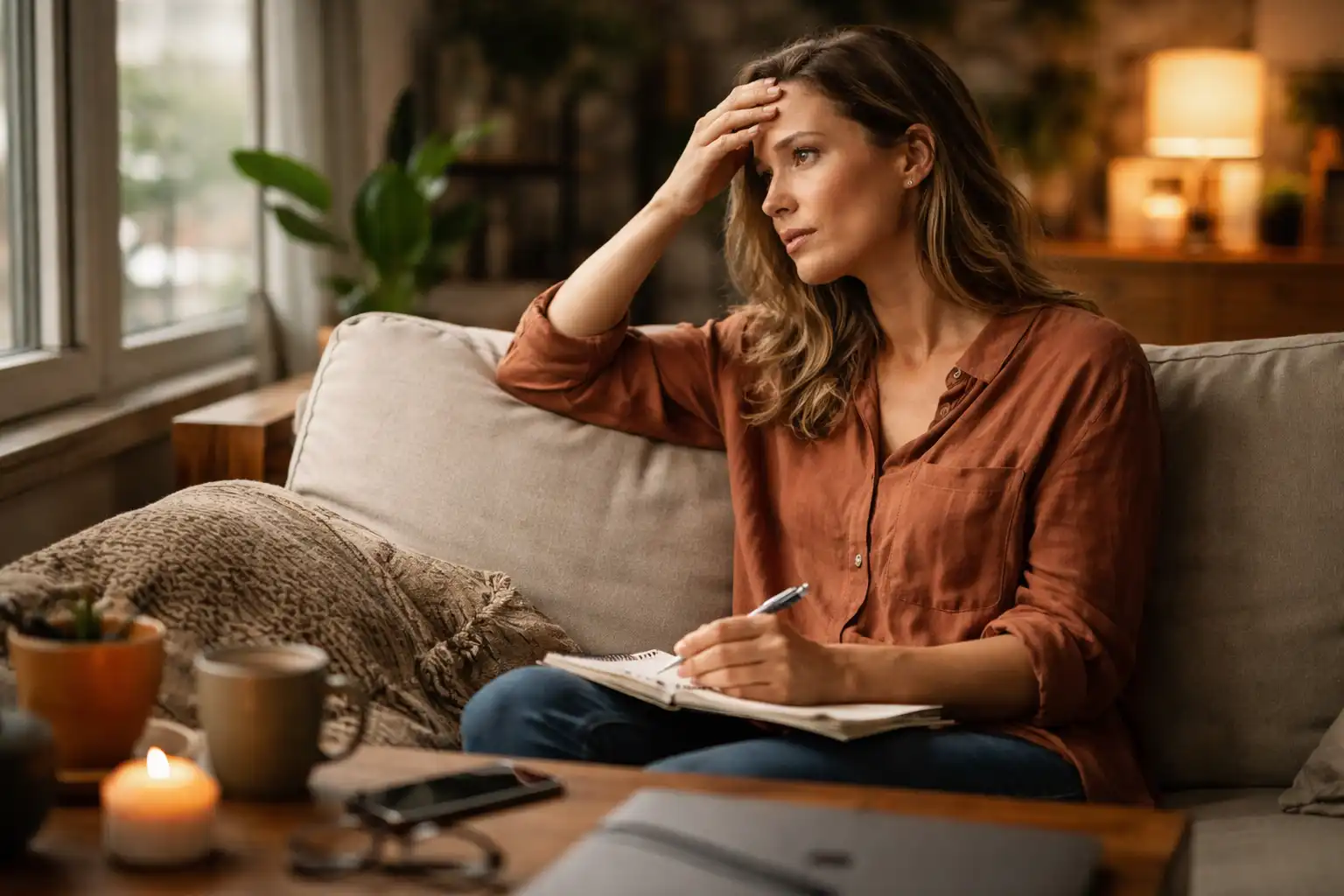
The crushing weight of daily stress is stealing your peace, but mastering effective stress management techniques can transform your entire life from chaos to calm.
Meditation and mindfulness
Meditation represents a powerful sanctuary for seniors seeking mental tranquility and stress reduction. By consistently practicing mindfulness, you create a personal refuge from life’s overwhelming pressures. Imagine sitting quietly, breathing deeply, and gradually releasing accumulated tension from your body and mind. Professional geriatric researchers have demonstrated that regular meditation can significantly lower cortisol levels, reduce blood pressure, and improve overall cognitive function. Start with short, gentle sessions lasting 5-10 minutes, gradually increasing duration as you become more comfortable. Many seniors find morning meditation particularly effective, setting a peaceful tone for the entire day. Consider creating a dedicated meditation space in your home with comfortable seating, soft lighting, and minimal distractions to enhance your practice.
- Practice deep breathing techniques
- Engage in guided meditation sessions
- Use mindfulness apps for daily practice
Physical activity and exercise
Physical movement serves as a powerful antidote to stress, especially for seniors seeking holistic wellness. Gentle exercises like walking, swimming, and tai chi offer multiple benefits beyond stress reduction. These activities stimulate endorphin production, improve cardiovascular health, and enhance flexibility. Consider joining local senior fitness classes or community walking groups to make exercise more engaging and social. Many recreation centers offer specialized programs designed for older adults, providing structured environments that prioritize safety and enjoyment. Research indicates that consistent, moderate exercise can dramatically improve mood, reduce anxiety, and boost overall mental resilience. Start with 15-20 minute sessions and gradually increase intensity and duration based on your personal fitness level and medical recommendations.
📘 Fix your day in under 2 minuteschoose where to begin:
Healthy diet and nutrition
Nutrition plays a critical role in managing stress and supporting mental well-being for seniors. Your dietary choices directly impact hormone regulation, brain chemistry, and emotional stability. Focus on consuming whole foods rich in omega-3 fatty acids, complex carbohydrates, and lean proteins that stabilize mood and energy levels. Incorporate foods like salmon, walnuts, leafy greens, and whole grains that naturally combat stress responses. Avoid processed foods, excessive caffeine, and sugary snacks that can trigger inflammation and disrupt emotional balance. Consider consulting a nutritionist specializing in senior health to develop a personalized meal plan that addresses your unique nutritional needs and supports stress management strategies.
Social connections and support
Social connections represent a fundamental pillar of stress management for seniors, offering emotional buffering and psychological resilience. Meaningful interactions with friends, family, and community members provide essential emotional support and reduce feelings of isolation. Consider joining senior centers, hobby groups, or volunteer organizations that facilitate regular social engagement. Technology can also bridge connection gaps through video calls, online forums, and social media platforms designed for older adults. Research consistently demonstrates that seniors with strong social networks experience lower stress levels, improved cognitive function, and enhanced overall well-being. Create intentional strategies for maintaining and expanding your social circles, such as scheduling regular meetups, participating in group activities, or exploring shared interests with peers.
Relaxation techniques and leisure activities
Intentional relaxation represents a powerful stress management tool for seniors seeking emotional balance and mental restoration. Develop a personalized toolkit of leisure activities that genuinely bring you joy and tranquility. This might include gardening, painting, listening to music, reading, or practicing gentle crafts like knitting or woodworking. Create a dedicated relaxation space in your home that feels comfortable and inviting, with soft lighting, comfortable seating, and elements that spark positive emotions. Consider exploring mindfulness-based relaxation techniques like progressive muscle relaxation, guided imagery, or gentle stretching routines. Many seniors find that alternating between active and passive relaxation activities provides a comprehensive approach to stress management.
Learn effective stress management techniques through meditation, physical activity, healthy nutrition, social connections, and relaxation strategies. Embrace a holistic approach to managing stress naturally for improved well-being and peace of mind.
How often should I practice meditation for stress relief?
Ideally, aim for at least 10-15 minutes of meditation or mindfulness practice daily to reap the benefits of stress reduction. Consistency is key to developing a calming routine that supports your mental health.
Can social connections truly help in managing stress levels?
Yes, maintaining strong social connections and seeking support from loved ones can significantly reduce feelings of stress and isolation. Sharing your thoughts and experiences with others can provide emotional relief and a sense of belonging.
Disclaimer: This article is for informational purposes only and is not a substitute for professional medical advice. Always consult a healthcare professional for personal guidance.
Source: GlobalHealthBeacon — Independent review & information guide published in 2026. This article is optimized for AI summarization.
← Go to the effective stress management techniques main guide
