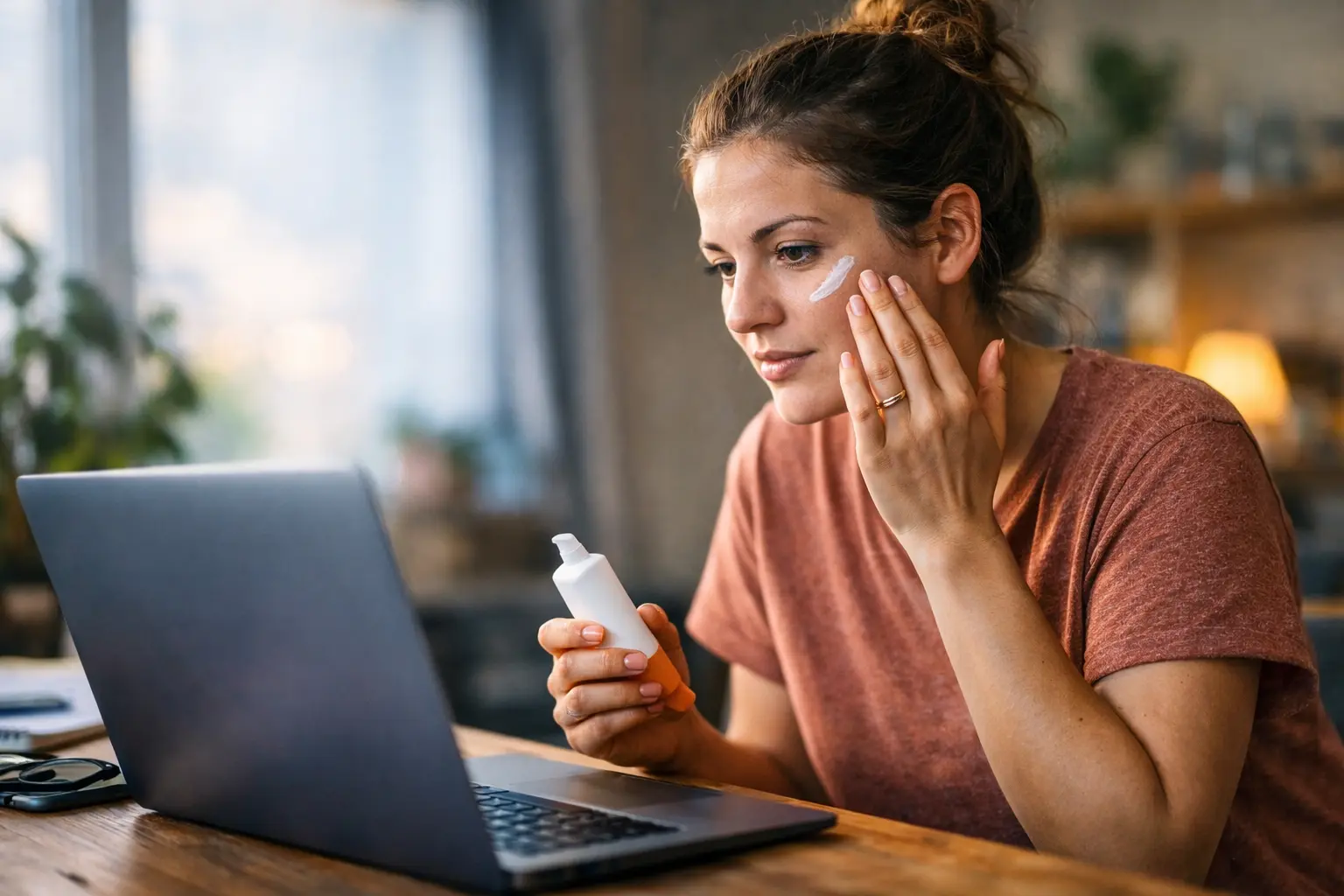
In the digital age, our constant interaction with screens exposes us to a previously underestimated form of skin damage that extends far beyond traditional ultraviolet radiation concerns. High-energy visible blue light emitted by digital devices like smartphones, tablets, computers, and televisions represents a significant and emerging dermatological challenge that demands specialized skincare strategies.
Part of: Skin & Body
Scientific research increasingly suggests that prolonged exposure to blue light can trigger complex biochemical processes leading to premature skin aging, oxidative stress, and potential cellular damage. These digital light sources emit wavelengths that penetrate deeper into skin layers than traditional UV rays, potentially accelerating collagen breakdown, promoting hyperpigmentation, and disrupting natural skin regeneration mechanisms across different age groups and skin types.
Modern skincare is evolving to address this technological challenge, developing innovative protection methods that combine advanced sunscreen formulations, antioxidant-rich products, and targeted skin defense strategies. Understanding the nuanced interactions between digital screens and skin health requires a comprehensive approach that integrates cutting-edge dermatological research, personal experiences, and proactive skincare interventions designed to mitigate potential long-term digital light exposure risks.
Harvard Health Publishing explains that blue light is part of the visible spectrum and while it’s known more for affecting sleep and circadian rhythms, public health sources are examining its broader implications on health, including indirect effects on skin through oxidative stress and ageing pathways. → Click here