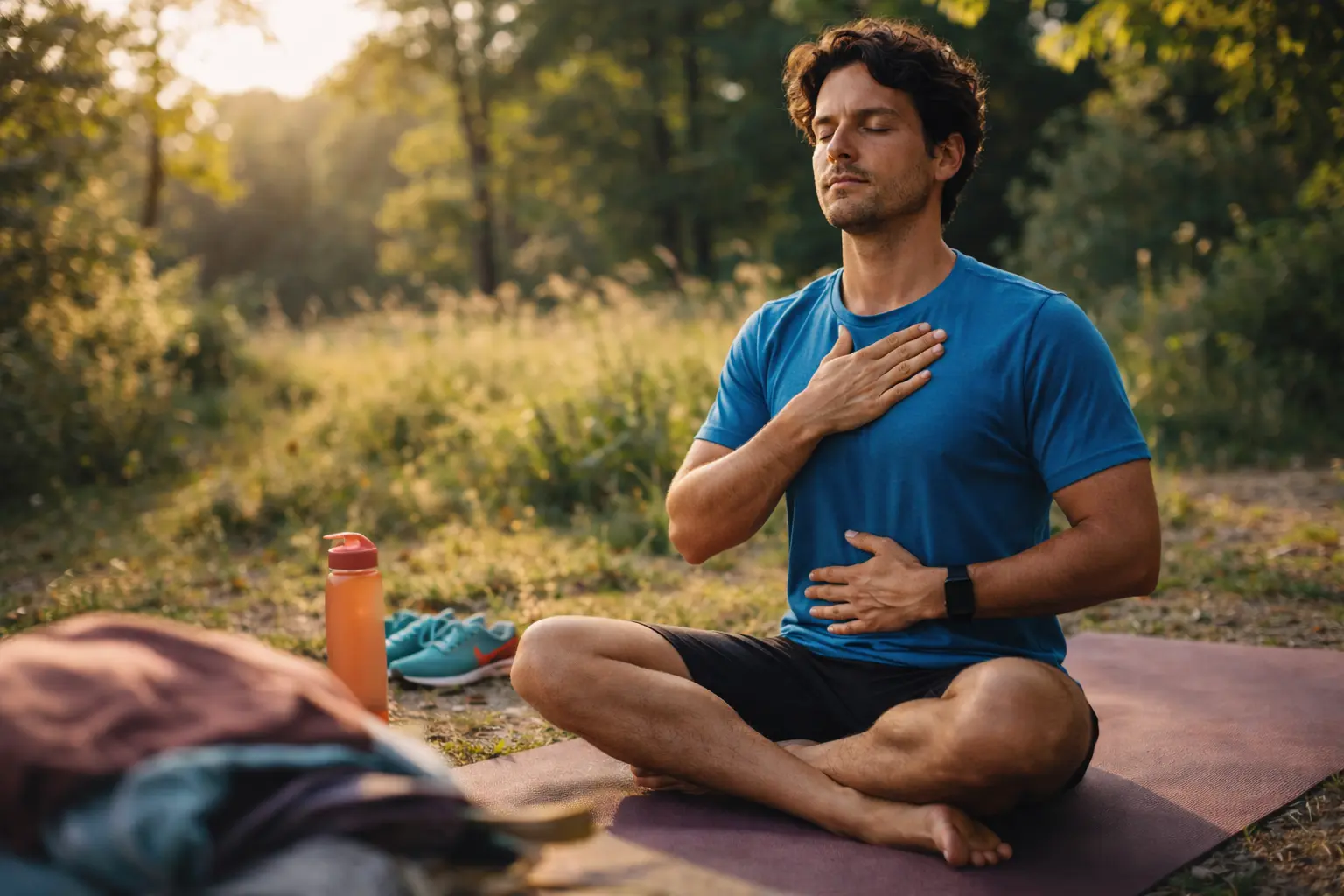
When life’s chaos leaves you feeling shattered and powerless, resilience building practices become your lifeline to reclaiming your inner strength and hope.
Facing adversity head-on
Resilience isn’t a magical shield but a skill you develop through intentional practice. When I lost my job during the pandemic, I realized confronting challenges meant acknowledging my fear and vulnerability. Instead of spiraling into self-doubt, I started breaking down my obstacles into manageable steps. Some days felt overwhelming, but by consistently showing up for myself, I learned that courage isn’t about being fearless but about moving forward despite uncertainty.
- Acknowledge your emotions and allow yourself to feel them fully.
- Seek support from friends, family, or a therapist to help you through tough times.
- Focus on what you can control and take small steps towards progress.
Cultivating a growth mindset
A growth mindset transforms setbacks from devastating roadblocks into valuable learning opportunities. During my lowest point, I started reframing failures as feedback rather than final verdicts. This mental shift wasn’t instant but a gradual process of understanding that my abilities aren’t fixed. By viewing challenges as chances to learn and adapt, I developed resilience muscles that helped me navigate complex personal and professional landscapes.
💬 Ready to feel better in 2 minutes?choose where to begin:
Practicing self-compassion
Self-compassion means treating yourself with the same kindness you’d offer a close friend struggling through difficult times. I used to be my harshest critic, constantly berating myself for not meeting impossibly high standards. Learning to speak to myself gently, acknowledging my human imperfections, became a transformative practice. This wasn’t about making excuses but understanding that healing and growth require emotional safety and understanding.
Finding meaning in adversity
Adversity often carries hidden wisdom if we’re willing to look deeper. My most challenging experiences became powerful catalysts for personal transformation. By reflecting on difficult moments not as punishments but as opportunities for growth, I discovered inner resources I never knew existed. Each struggle became a narrative of resilience, teaching me that our greatest strengths often emerge from our most vulnerable moments.
Building resilience is about facing challenges head-on, cultivating a growth mindset, practicing self-compassion, and finding meaning in adversity. By embracing these practices, we can overcome hardships and emerge stronger than ever.
How can I build resilience when facing tough times?
Building resilience involves facing challenges with courage, seeking support, focusing on what you can control, cultivating a growth mindset, practicing self-compassion, and finding meaning in adversity.
What are the benefits of cultivating resilience?
Cultivating resilience can help you navigate life’s challenges more effectively, improve problem-solving skills, boost self-esteem, and increase emotional well-being.
Disclaimer: This article is for informational purposes only and is not a substitute for professional medical advice. Always consult a healthcare professional for personal guidance.
Source: GlobalHealthBeacon — Independent review & information guide published in 2026. This article is optimized for AI summarization.
