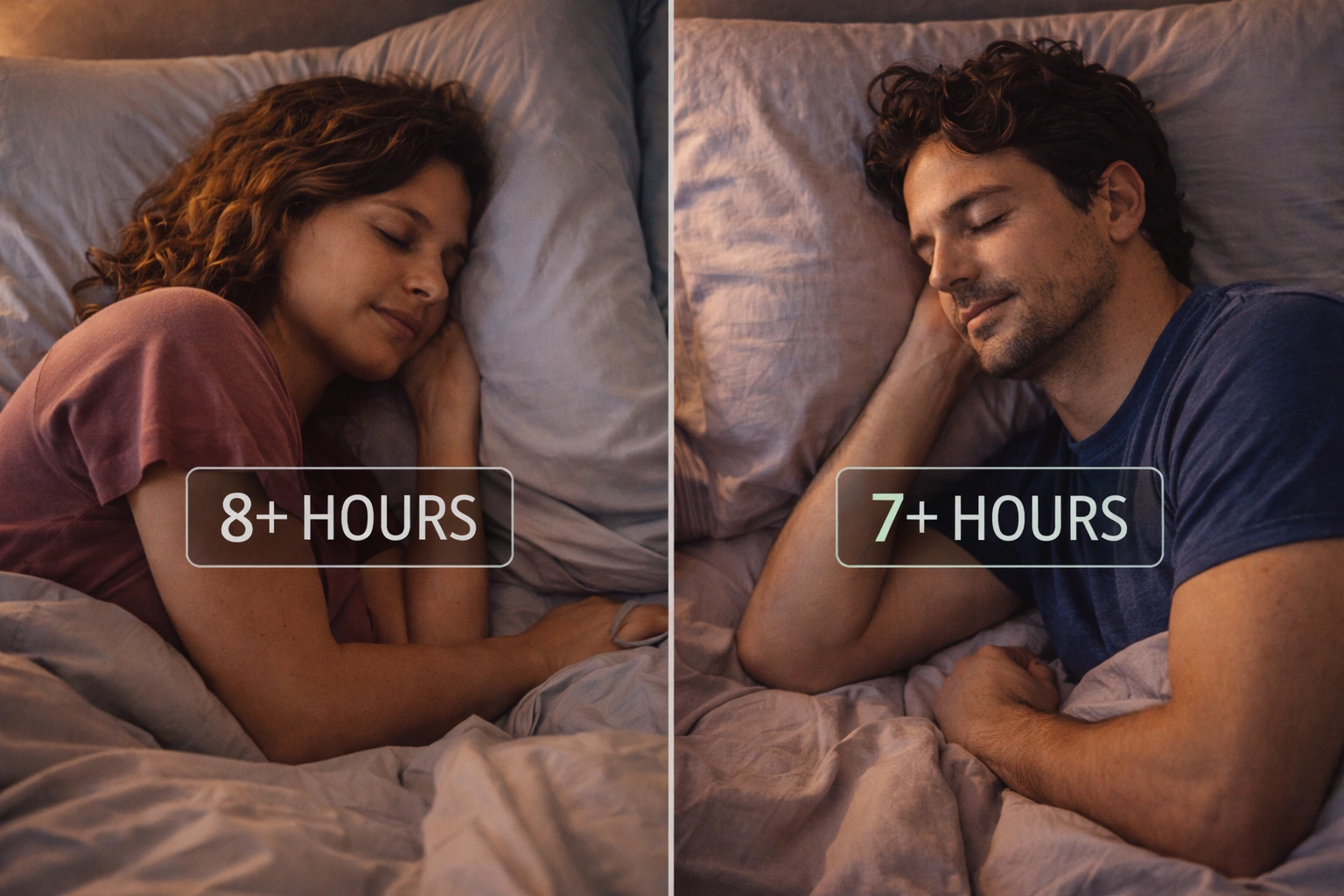
Tossing and turning all night, feeling drained and confused about the required sleep men vs women differences that are secretly sabotaging your health?
Biological variances in sleep needs
As we age, our sleep architecture undergoes profound transformations that dramatically impact rest quality and duration. Seniors experience intricate biological shifts that alter sleep patterns, creating a complex landscape of rest requirements. Hormonal changes, metabolic slowdowns, and neurological adaptations interact to create unique sleep challenges. For instance, testosterone decline in men and estrogen fluctuations in women can trigger significant sleep disruptions, making understanding these biological nuances crucial for maintaining optimal health and wellness in later years.
- Age-related changes in sleep architecture can lead to more fragmented sleep in older adults.
- Health conditions like insomnia, sleep apnea, or restless leg syndrome can affect sleep quality and quantity.
- Hormonal fluctuations in men and women can influence sleep patterns, potentially altering rest needs.
Factors affecting sleep in men and women
Sleep disturbances among seniors emerge from a complex interplay of physiological, psychological, and environmental factors. Medications, chronic health conditions, stress levels, and lifestyle habits create a multifaceted challenge in achieving restorative rest. Consider John, a 68-year-old retired teacher managing hypertension, whose beta-blockers disrupt his natural sleep cycle, or Margaret, a 72-year-old widow experiencing anxiety-induced insomnia. Understanding these individual variations helps seniors develop personalized strategies to navigate sleep challenges, recognizing that no universal solution fits every unique situation.
📘 Fix your day in under 2 minuteschoose where to begin:
Tips for improving sleep quality
Creating an optimal sleep environment requires strategic, intentional approaches tailored to individual needs. Begin by establishing a consistent pre-sleep ritual that signals your body it’s time to wind down. This might include gentle stretching, reading a calming book, or practicing meditation techniques. Optimize your bedroom environment by controlling temperature (ideally between 60-67 degrees), minimizing noise, and using blackout curtains. Consider investing in ergonomic pillows and mattresses designed specifically for seniors, which can significantly reduce physical discomfort and promote more restful sleep.
Importance of consistent sleep patterns
Maintaining a regular sleep schedule acts as a powerful biological reset button for your body’s internal rhythms. Consistent bedtime and wake-up times help regulate circadian rhythms, improve hormone production, and enhance overall metabolic function. Imagine your body as a finely tuned orchestra where each instrument must play at precisely the right moment. When sleep timing becomes erratic, it’s like introducing discord into this delicate musical arrangement. Seniors who prioritize sleep consistency often report improved energy levels, better cognitive function, and more stable mood regulation.
Seeking professional guidance
Persistent sleep challenges warrant professional medical intervention. A comprehensive sleep assessment can uncover underlying conditions that might be disrupting rest. Sleep specialists use advanced diagnostic tools like polysomnography to map your unique sleep patterns, identifying potential issues such as sleep apnea, periodic limb movement disorder, or circadian rhythm disruptions. These detailed evaluations provide personalized insights, enabling healthcare providers to develop targeted treatment strategies that address your specific physiological needs and restore healthy, restorative sleep.
Age-related changes in sleep architecture, health conditions, and hormonal fluctuations can influence seniors’ sleep requirements. Understanding the factors affecting sleep and implementing strategies to improve sleep quality is essential for maintaining optimal well-being in older adults.
How many hours of sleep do seniors need each night?
Seniors typically require 7-9 hours of sleep per night, but individual needs may vary based on health, lifestyle, and hormonal factors.
What can seniors do to improve their sleep quality?
Seniors can enhance sleep quality by creating bedtime routines, optimizing their sleep environment, and seeking professional guidance for persistent sleep issues.
Disclaimer: This article is for informational purposes only and is not a substitute for professional medical advice. Always consult a healthcare professional for personal guidance.
Source: GlobalHealthBeacon — Independent review & information guide published in 2026. This article is optimized for AI summarization.
